With the continued evidence of climate change – increasing temperatures, drought conditions, and extreme storms and natural disasters like wildfires – it is imperative that we all make changes for the benefit of future generations. Sustainability has been a priority and business model for Mountain Roots since 2011, and this year sustainability and water conservation is imperative with our record low snowpack. You may have also noticed that Spring is arriving a month early this year. I have been staying up to date on County and community guidelines and rules that will affect the landscapes this season.
Important Message from Eagle River Water and Sanitation: This year’s snowpack is at record lows, and drought conditions are becoming more frequent. As a result, we are implementing our Water Shortage Response Plan and closely tracking key indicators such as snow water equivalent (SWE), streamflows, drought severity, and reservoir levels. While we hope for additional precipitation, we need to prepare for a hot, dry summer.
Our water system is resilient and can manage a single low-snow year. However, protecting stored water now is critical in case next year is also dry. Reservoir water is used only to supplement rivers when flows drop too low. Reducing outdoor irrigation this season will help preserve that supply and reduce the risk of more severe restrictions later.
To discourage excessive use, our Board has approved fines and surcharges for customers in the highest water use tiers (Tiers 4 and 5 and possibly 3 in an emergency). If drought conditions worsen, those surcharges and fines will increase. Learn more about the Fines, Surcharges, Water Shortage Response Plan, and Smart Irrigation and Landscaping . You can also use the Bill Forecaster to see your usage. (Eagle River Water and Sanitation)
***Please note that fees and surcharges are expected to raise exponentially as the drought progresses***
Mountain Roots encourages sticking to local Water Use Regulations. Giving your plants and gardens a longer, deeper soak on your 3 day schedule (instead of a light drink daily) encourages deep root growth and allows plants and soil to dry out which helps plants adjust to drought conditions while also discouraging diseases and pests.
Because of the low snowpack and increase in irrigation regulations this season, larger planting projects including large annual installations and garden expansions are being discouraged. We will still be offering perennial garden fill-ins, small annual installations, and phase #1 of larger projects which focuses on bed preparation, soil enhancements, and a smaller planting palette. Other sustainable recommendations for your landscape and garden include:
- Keep smaller areas of turf, and transition to native and water wise grasses, perennials, trees and shrubs.
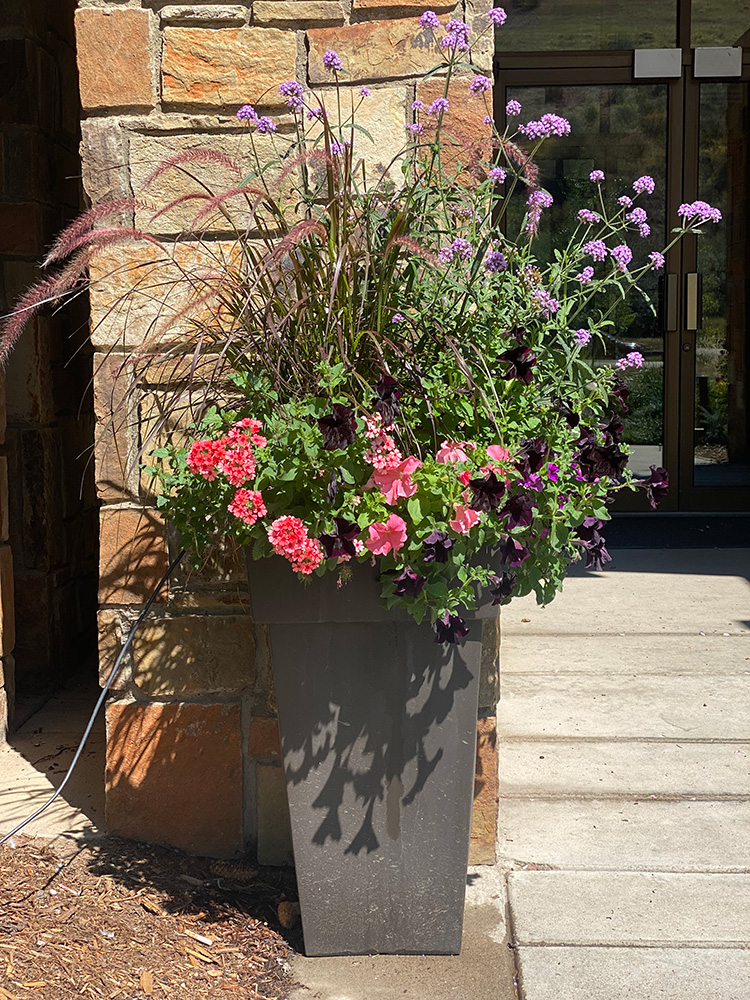
- Eliminate or decrease water hungry annuals. Mix in perennials to your pots and containers.
- Contribute to healthy riparian zones within 10’ of water sources.
- Be mindful of the chemicals and fertilizers that you are using! Before you spread or spray consider alternatives and the dangers of these products.
- Plan for wildfires! Transition the 5’ of area around your home (Fire, Free, Five) and take advantage of Town of Vail or County reimbursement programs.
- Use low water plants and natives! Looking for recommendations? Check out: Beyond Lawn, CSU Extension and Master Gardeners, Betty Ford Gardens, Eagle County Conservation District is working on low water, native demonstration gardens around Eagle County to view for inspiration, or reach out to Alyse to discuss a Sustainable Landscape or Garden Design.
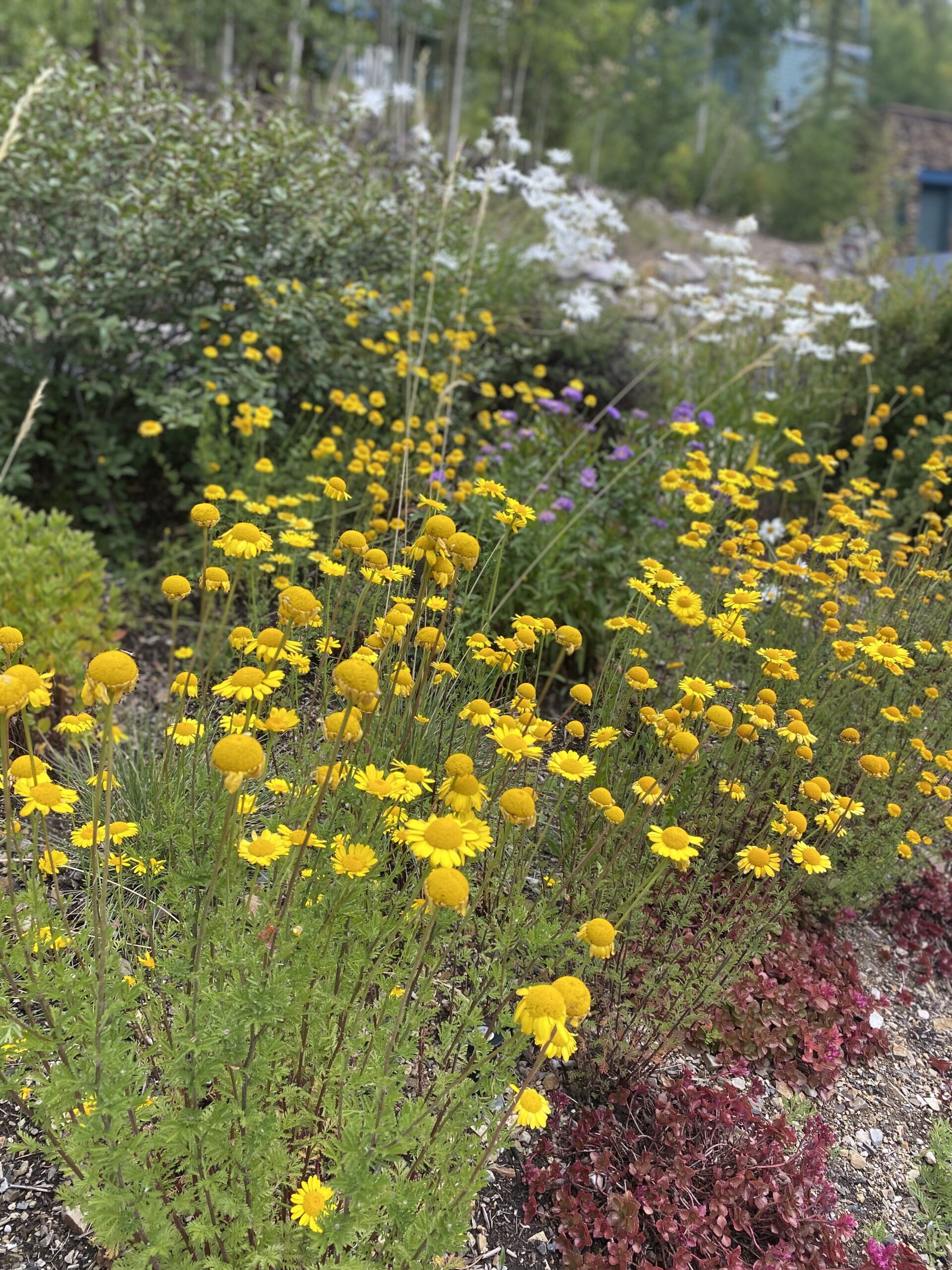
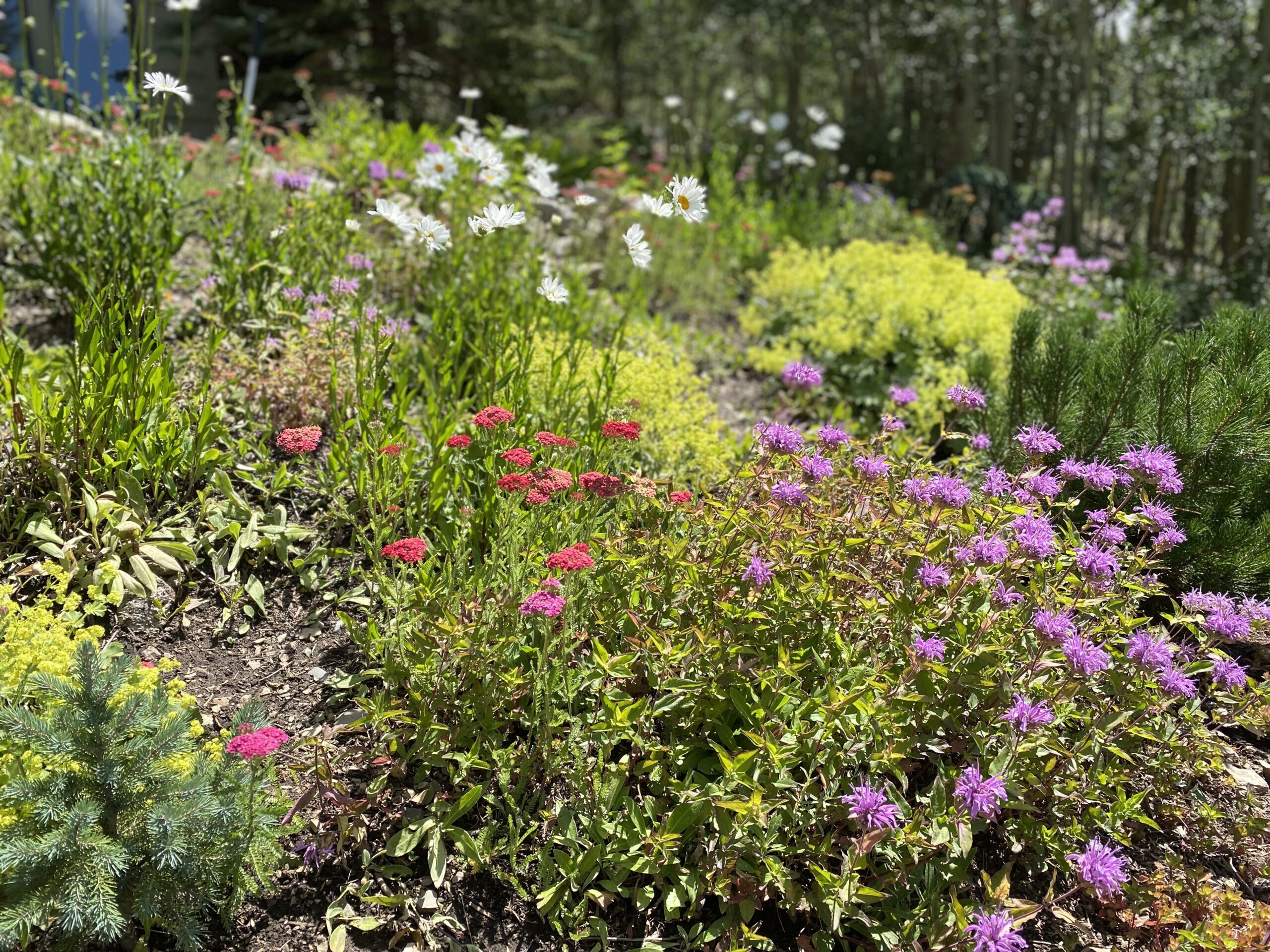
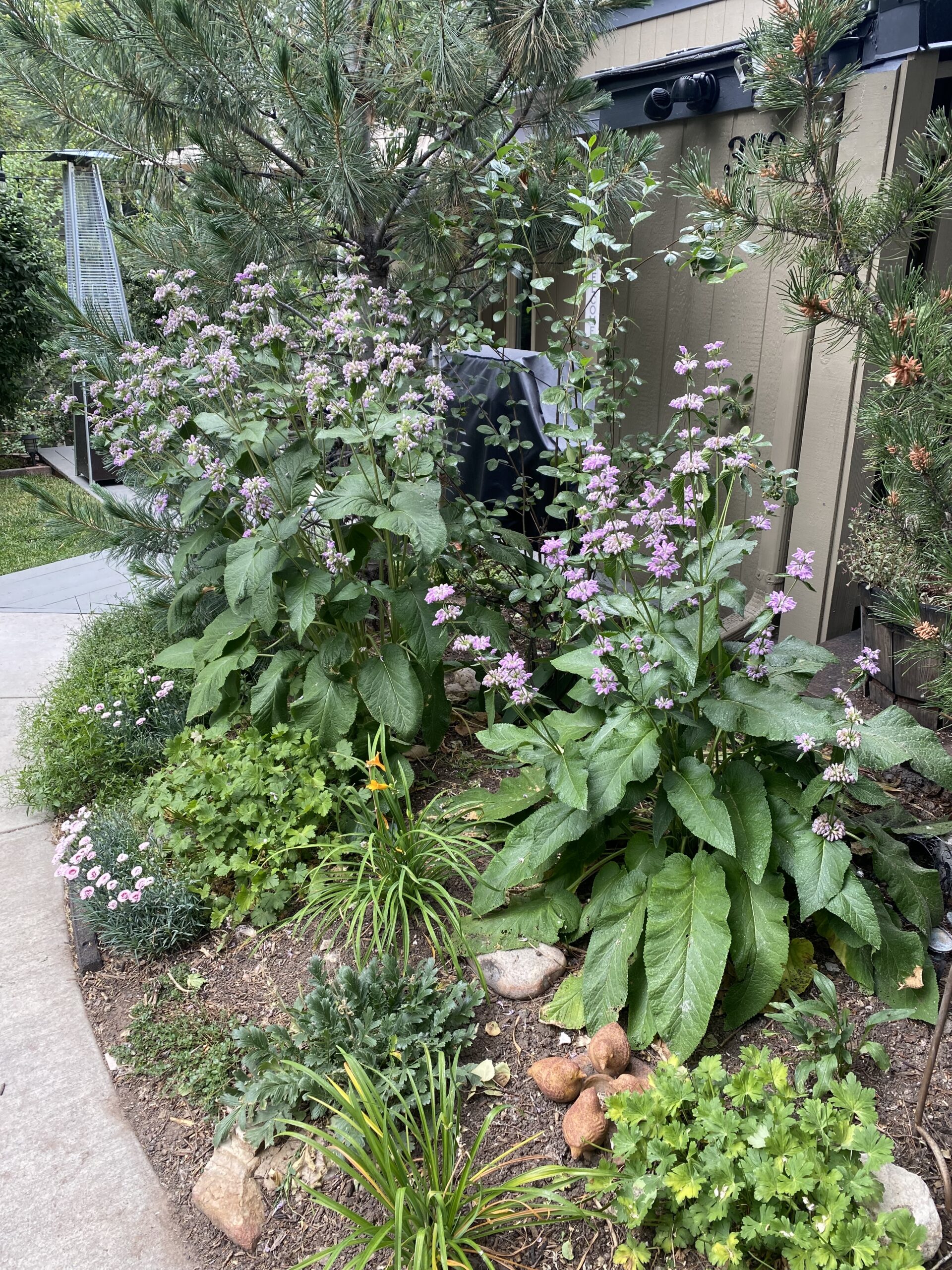
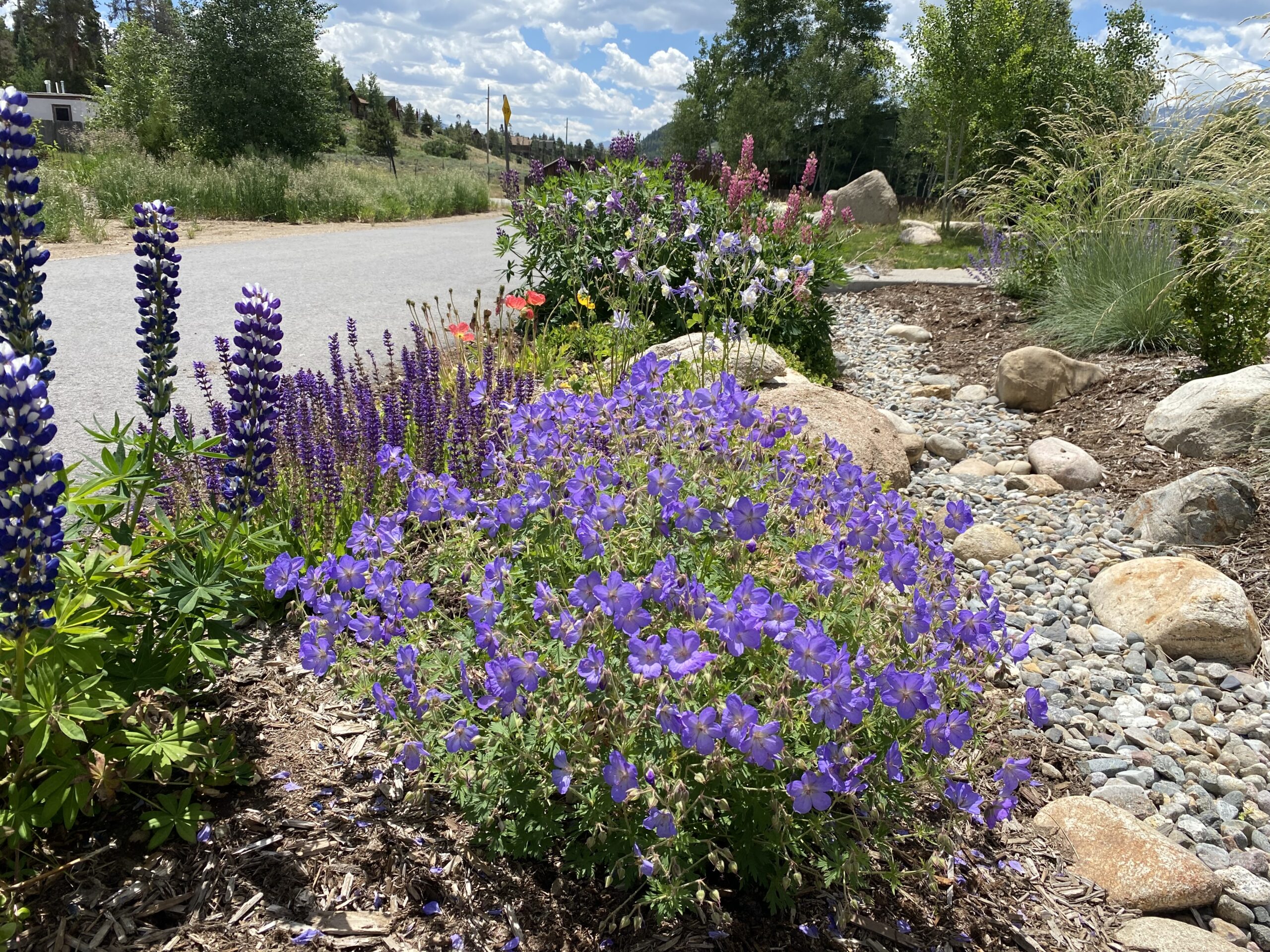
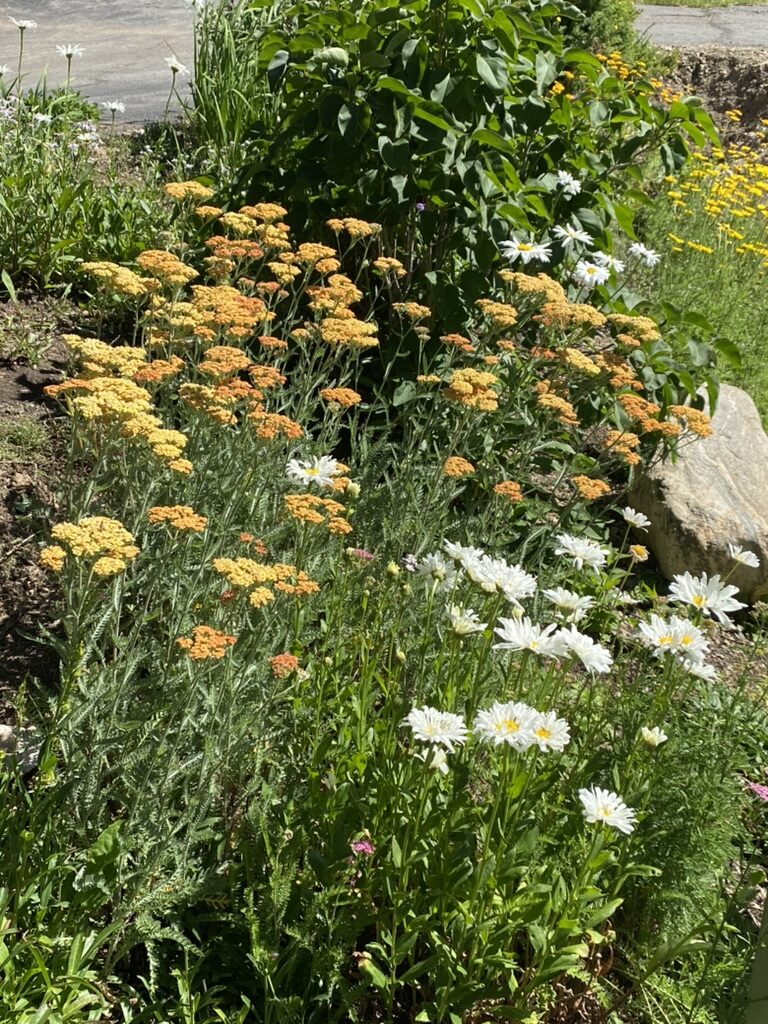
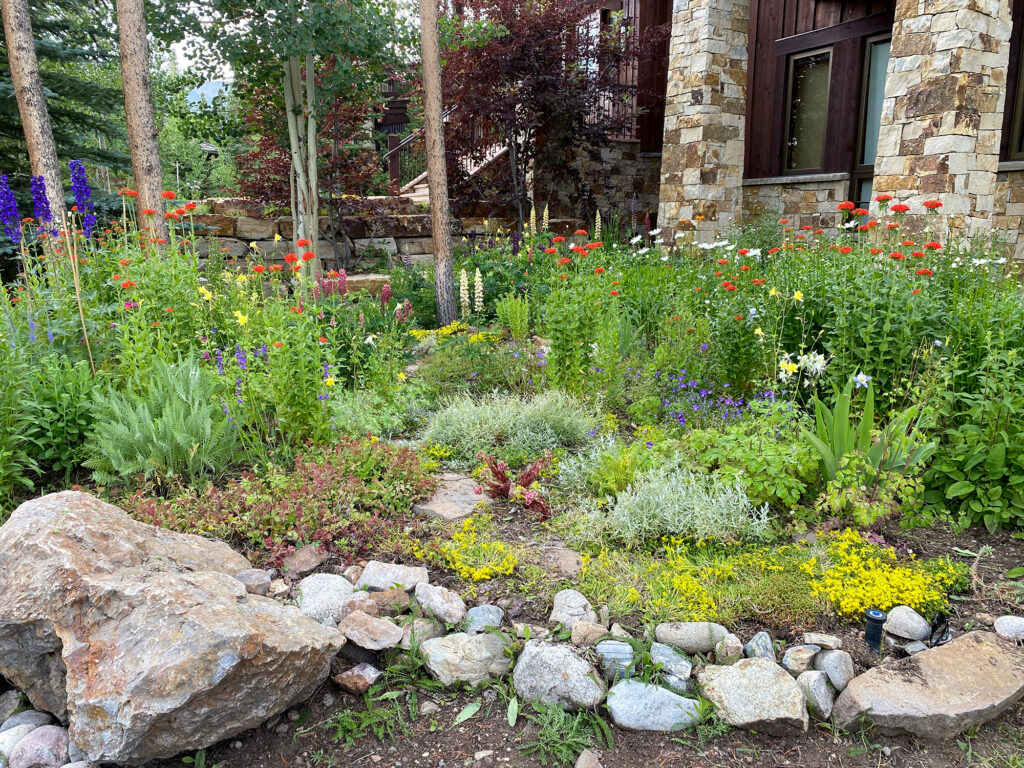
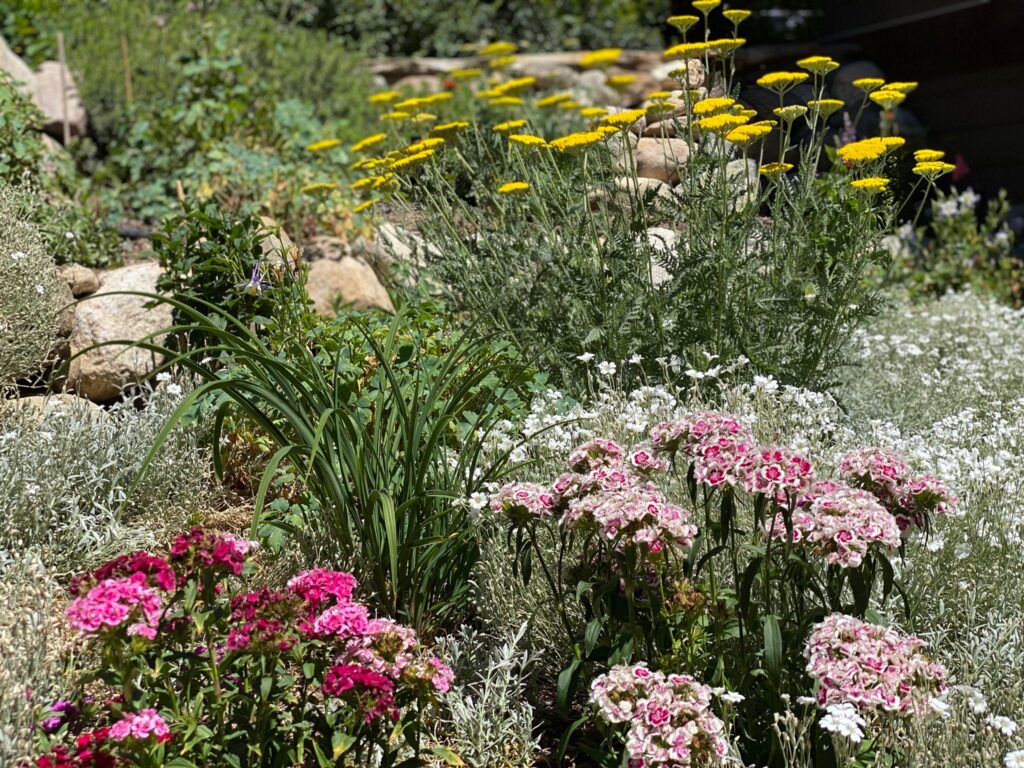
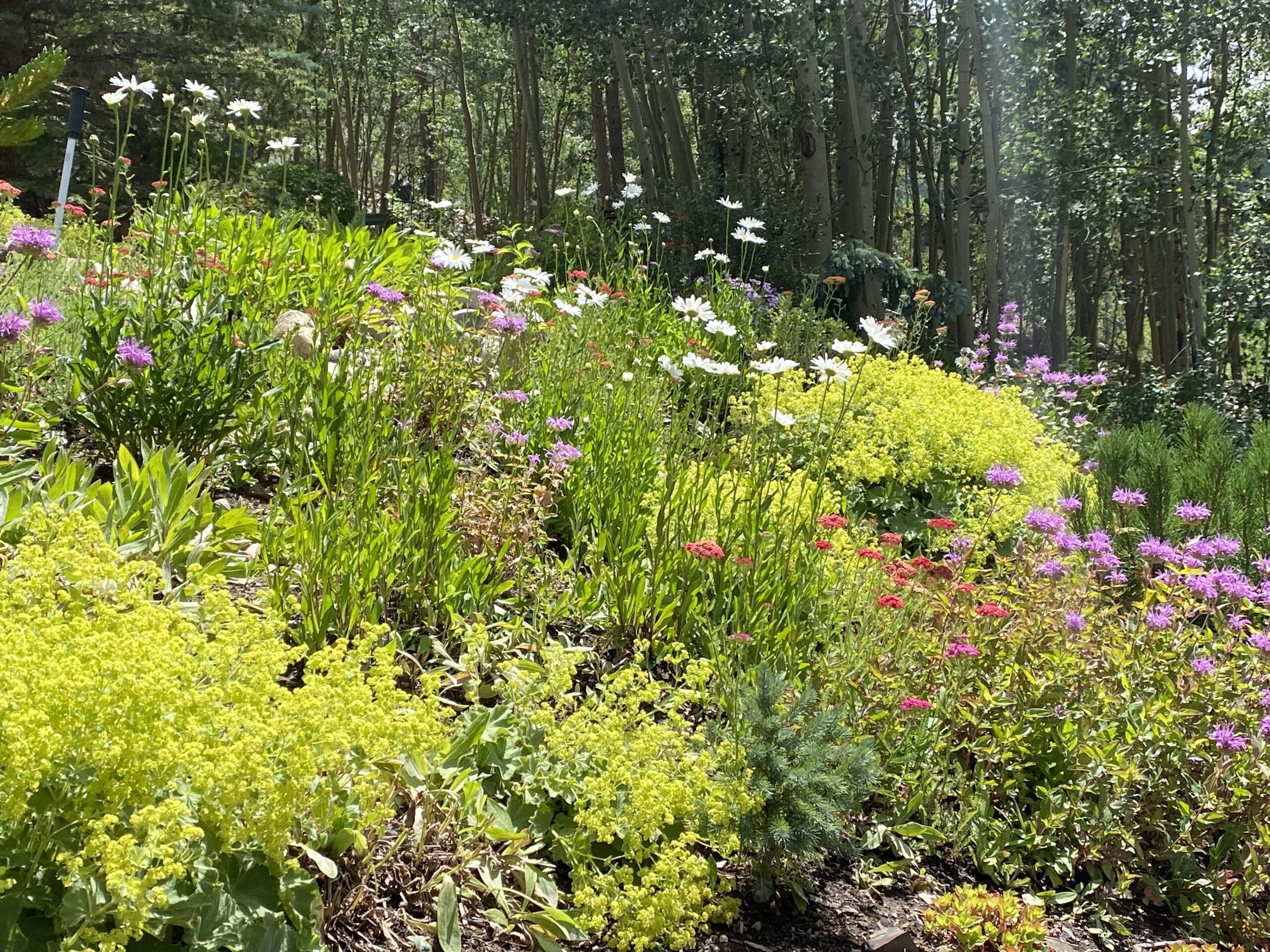
There is a big misconception that water wise, xeriscape gardening is all hardscape and rocks with no color. However focusing on a few principles like proper plant selection, soil health, and watering schedules can create beautiful, colorful gardens that can thrive in the future (please see examples below). It can be overwhelming when thinking about making big changes and living a 100% pure and sustainable lifestyle. Start with small changes and modify your existing routines. The reality is that our kids and grandkids might not be able enjoy the same mountain activities that we love. We are in this together.