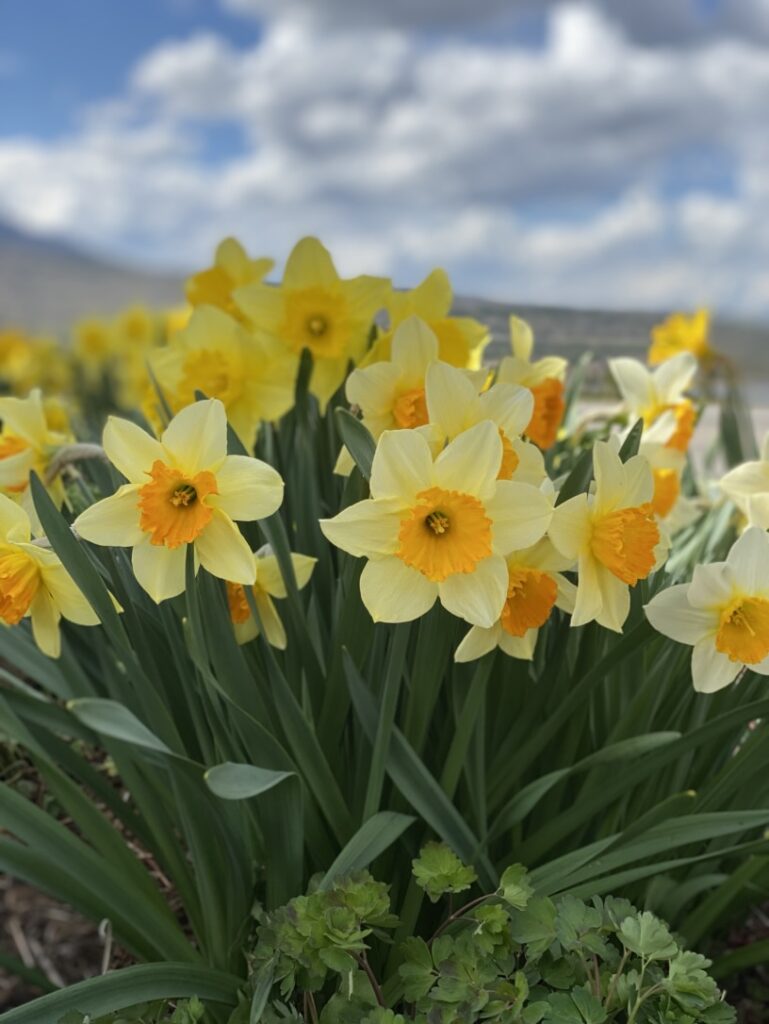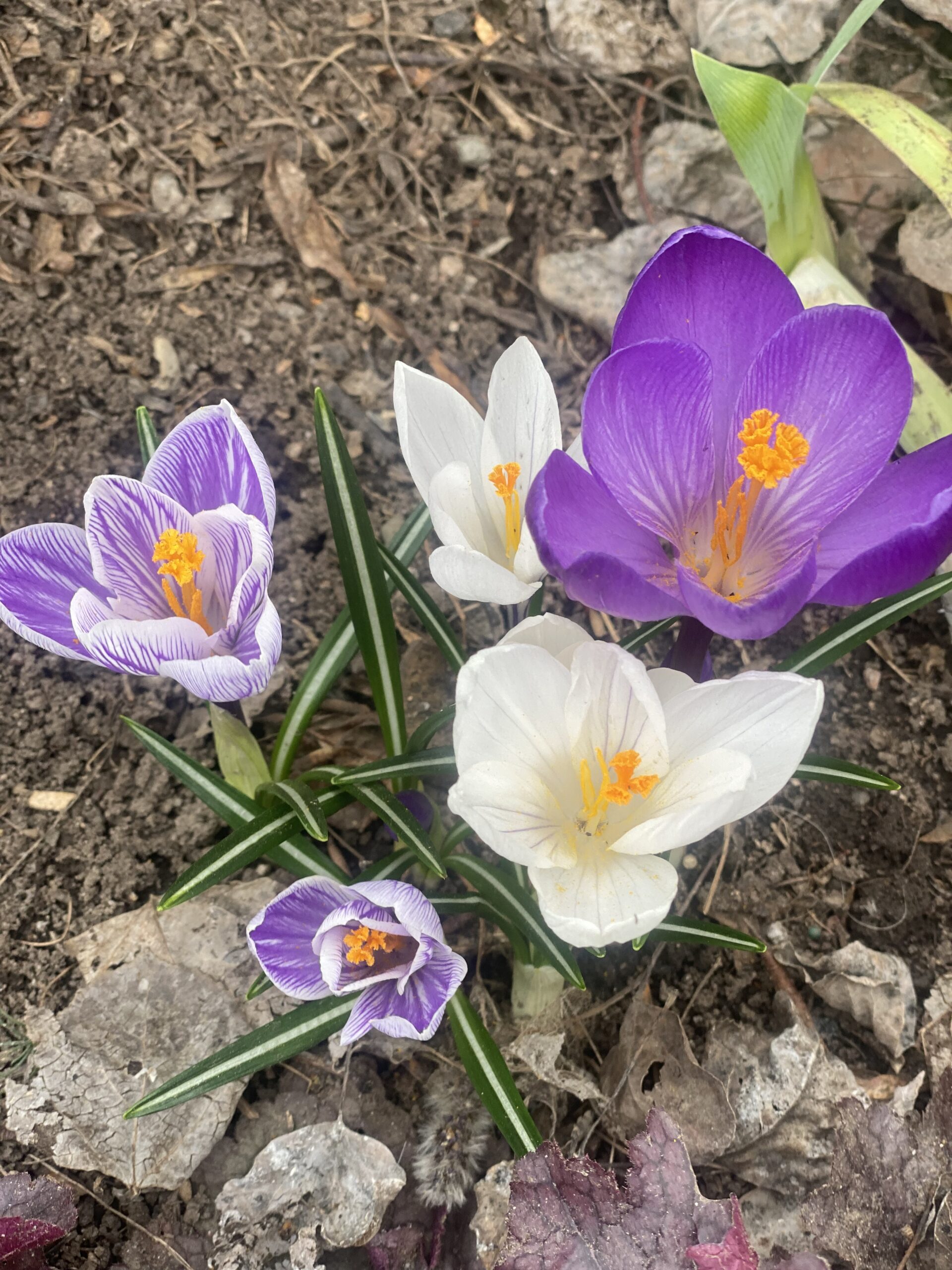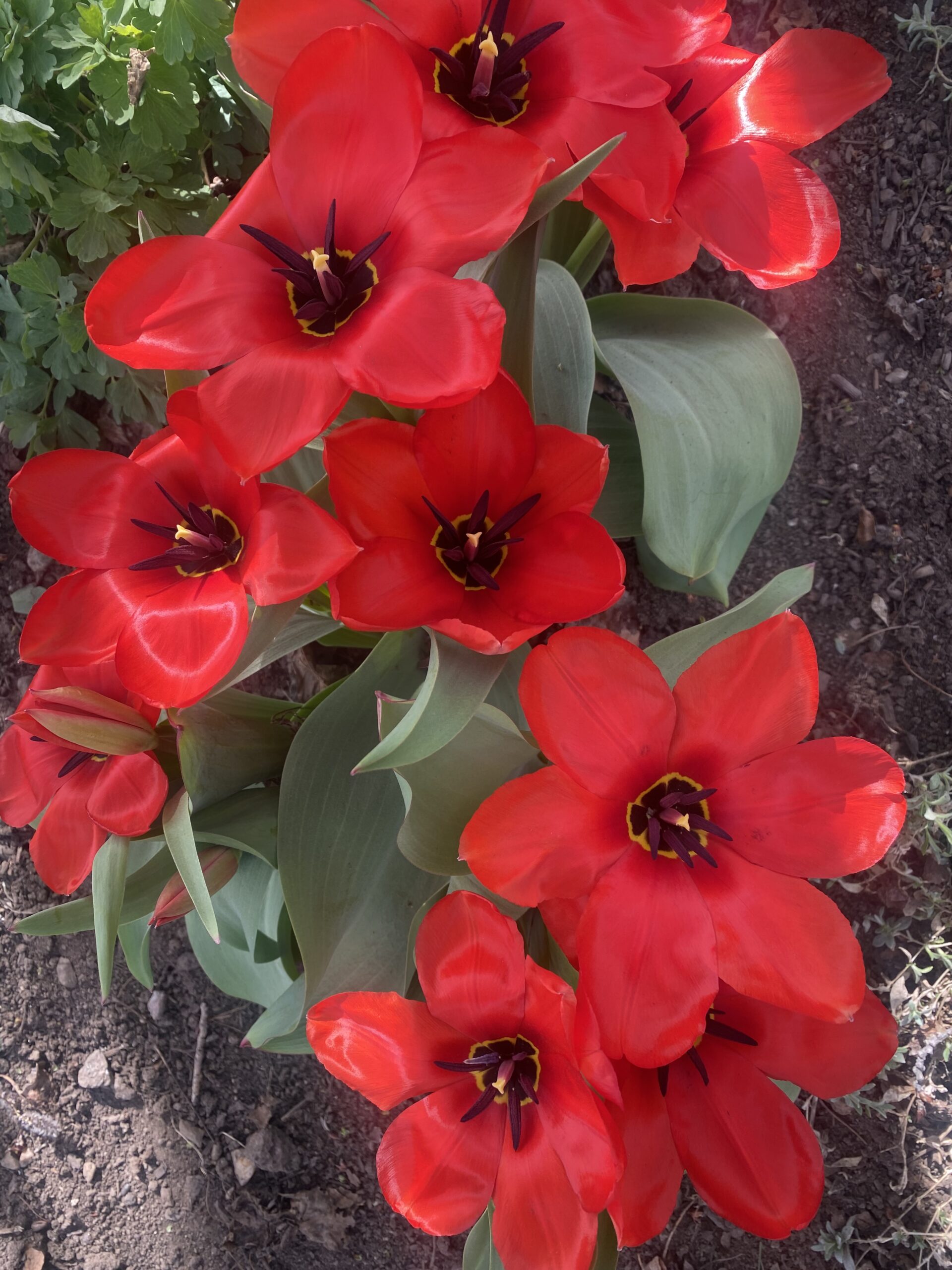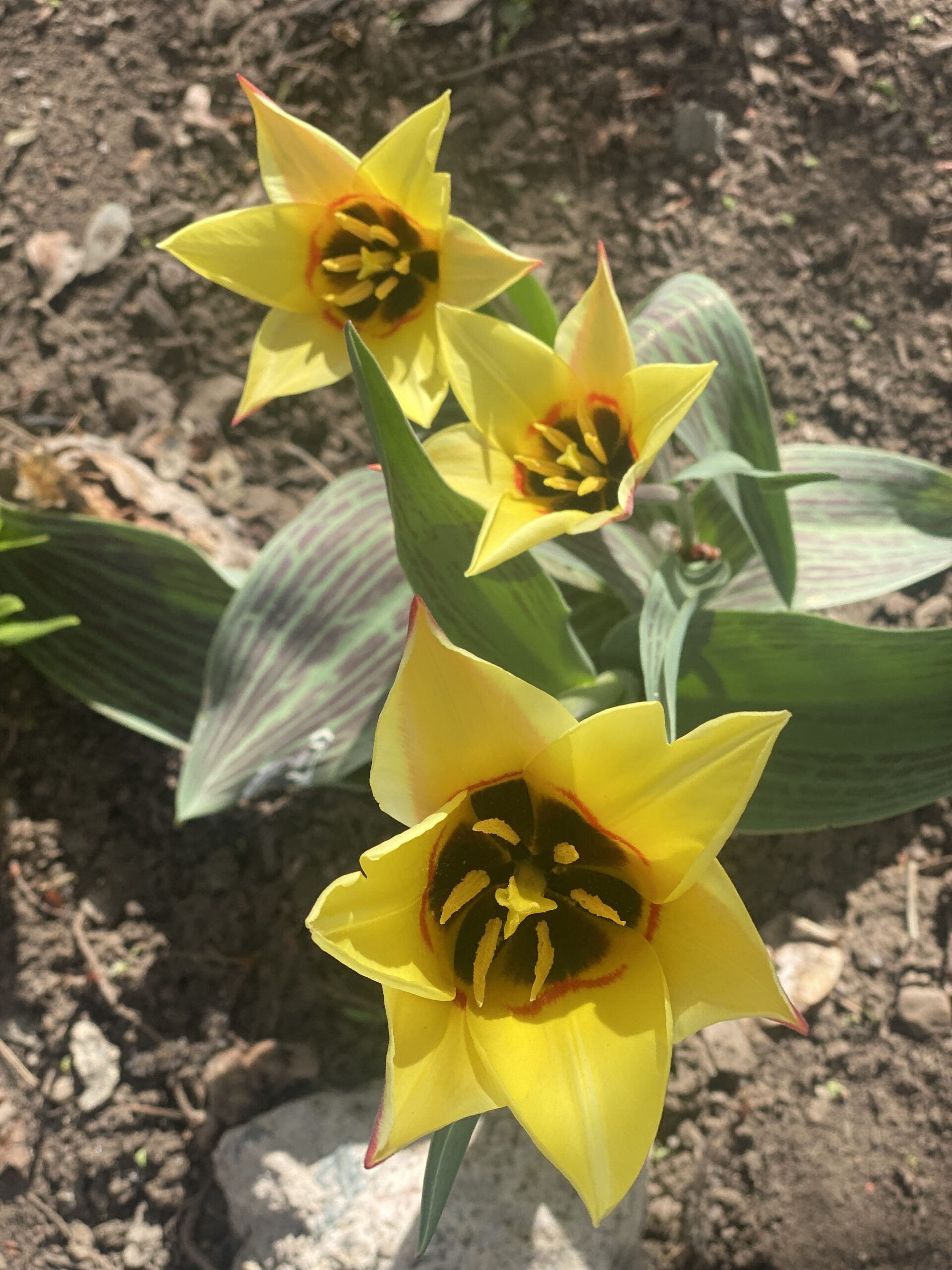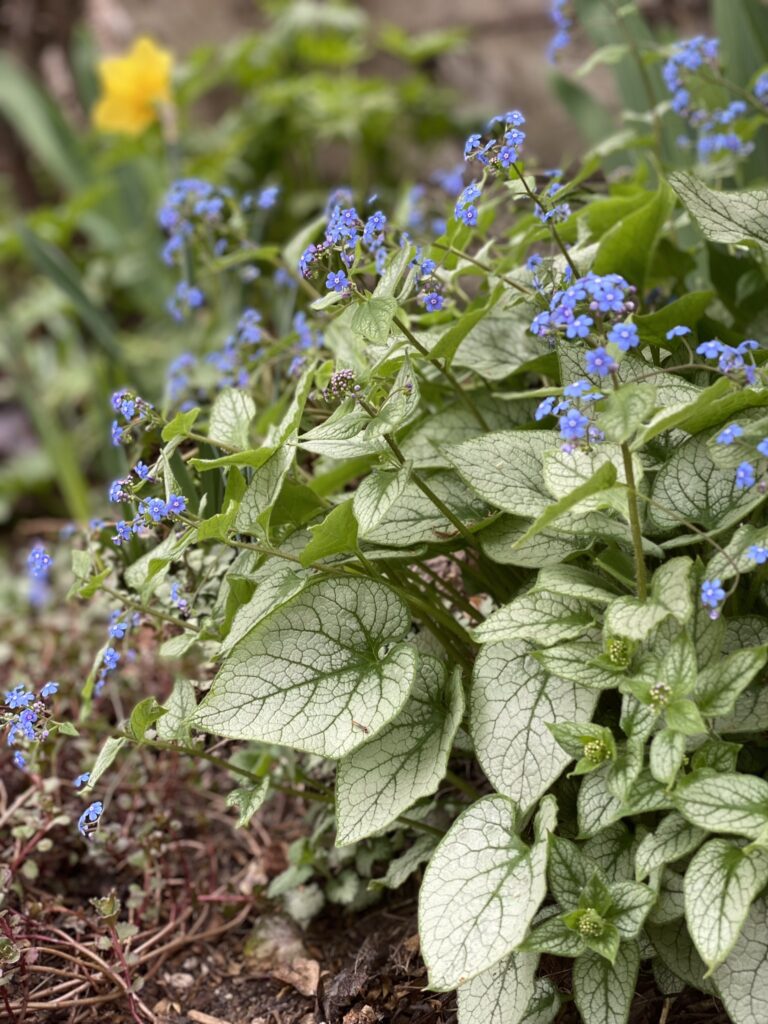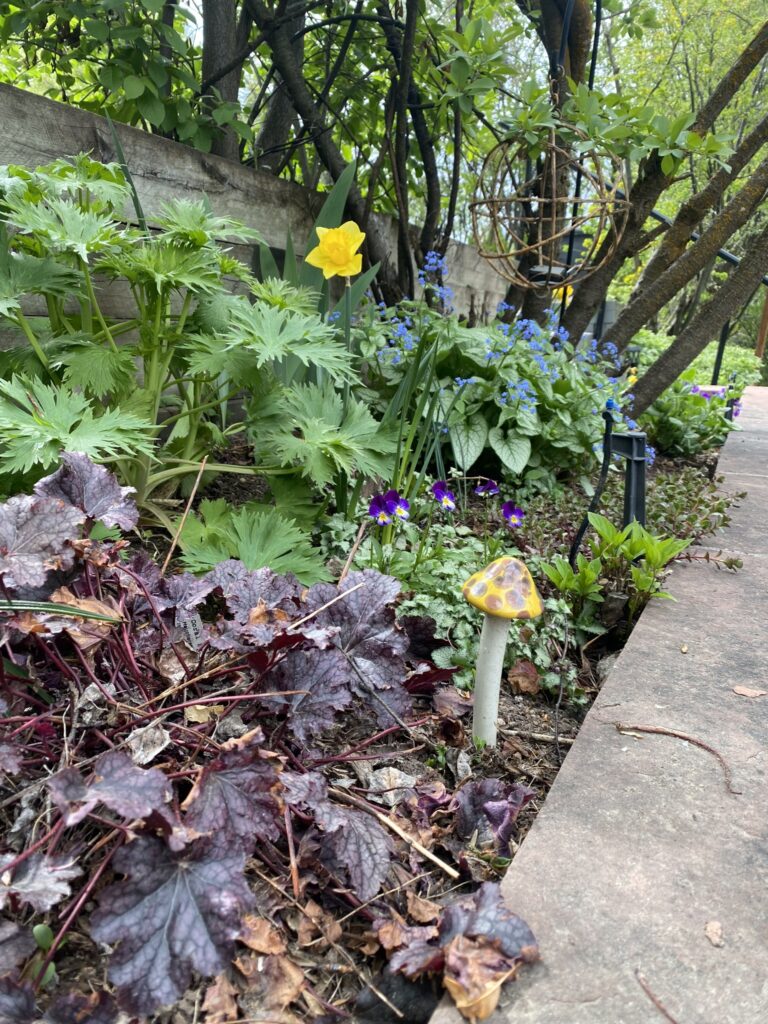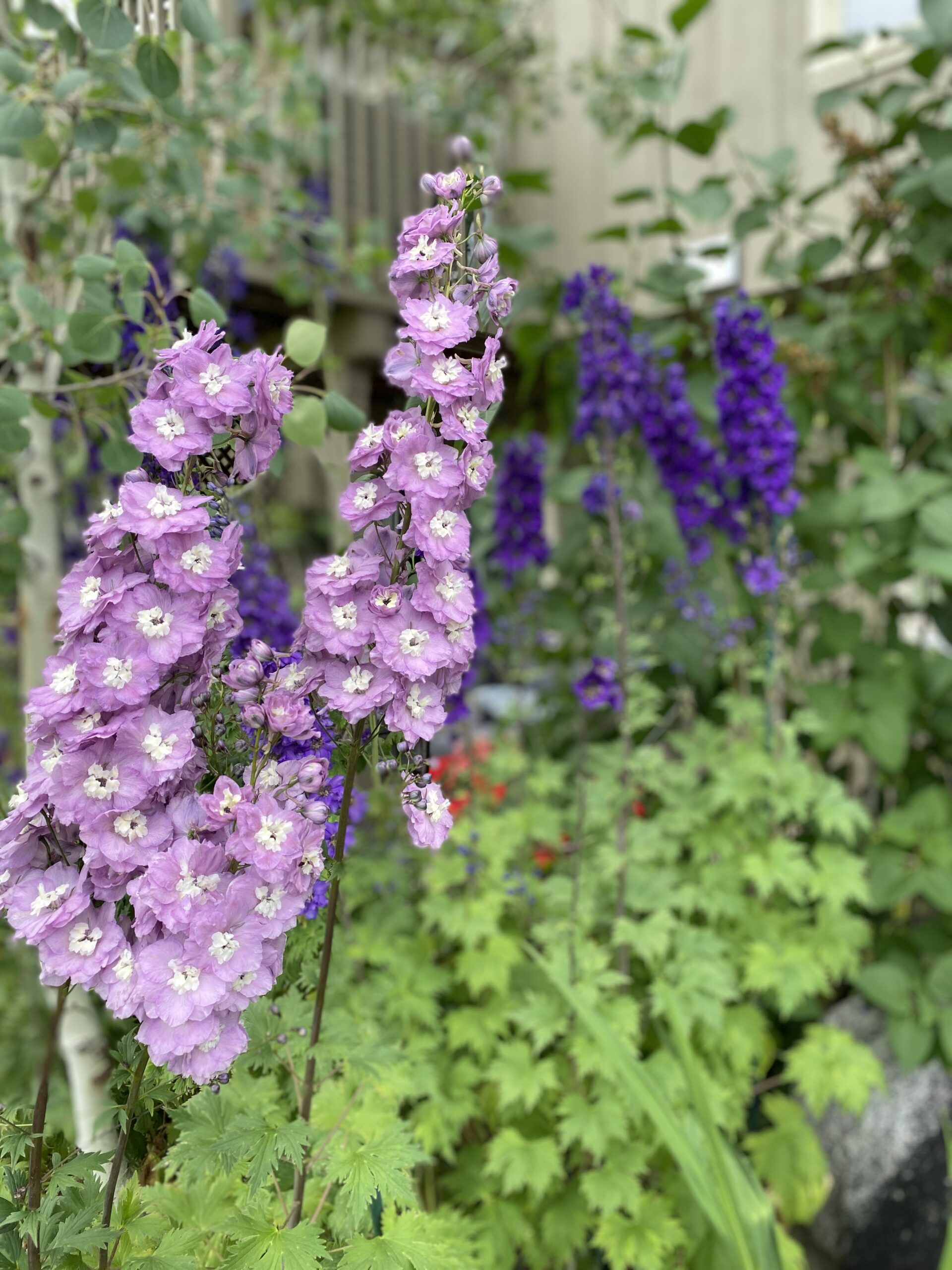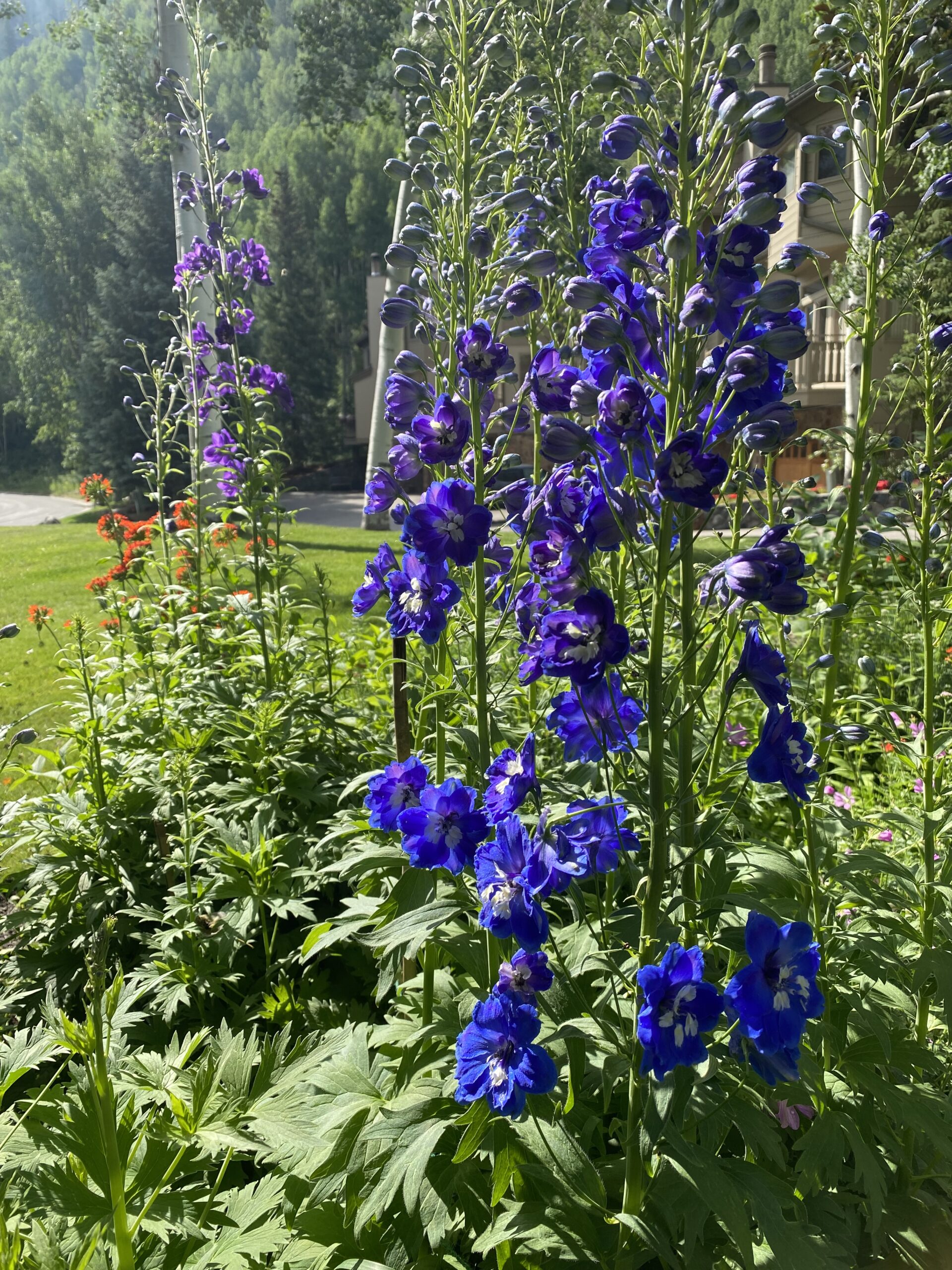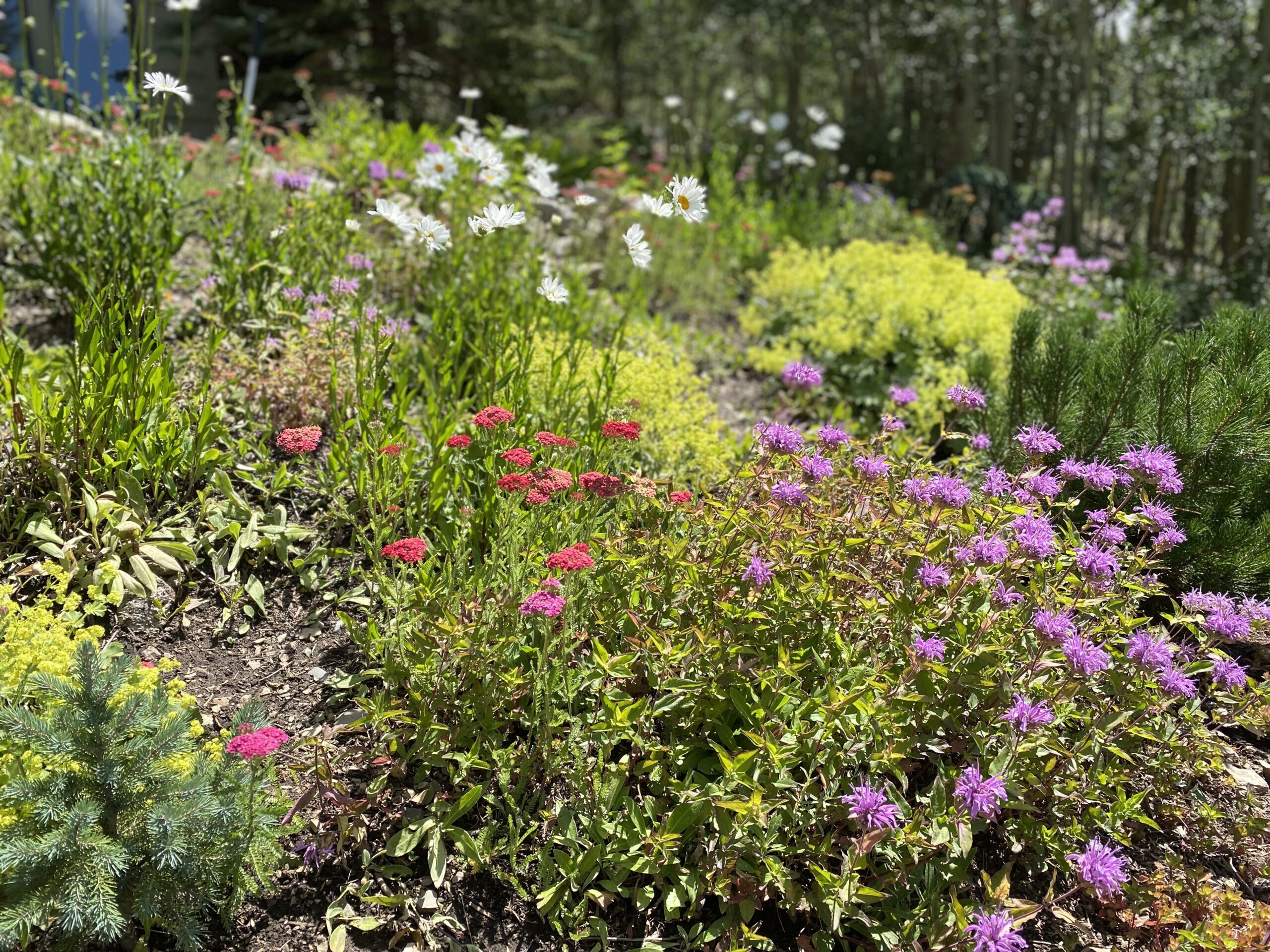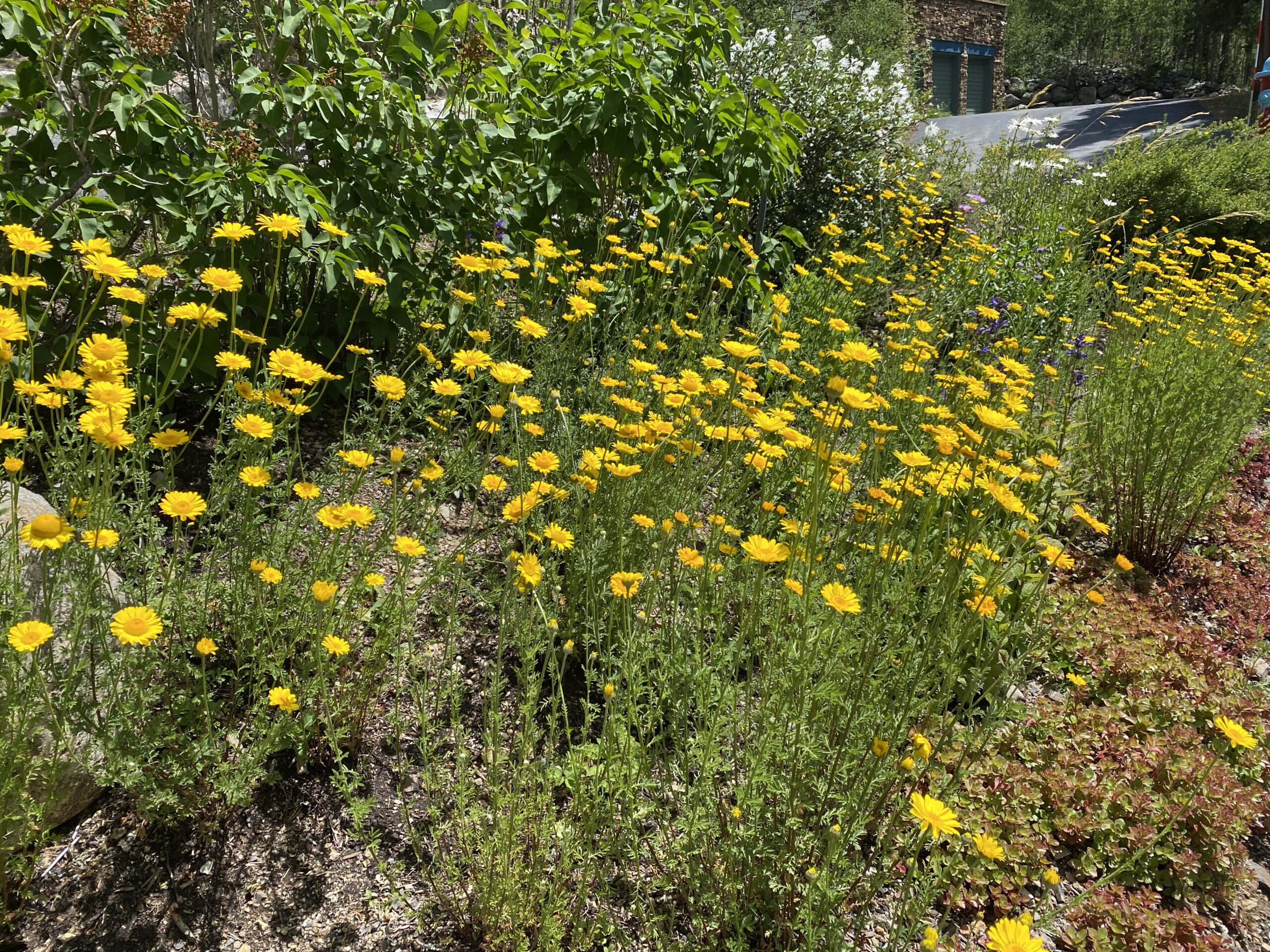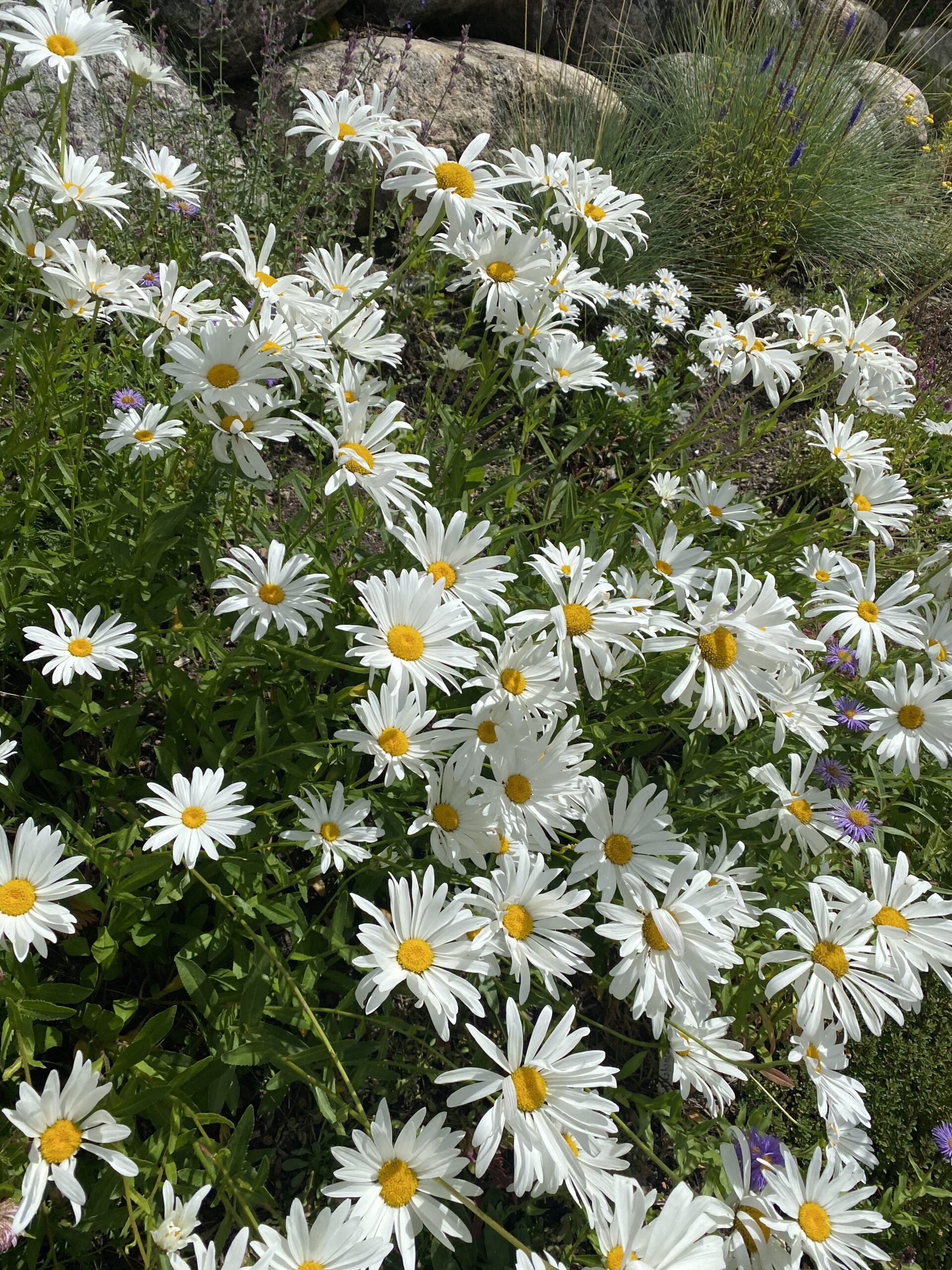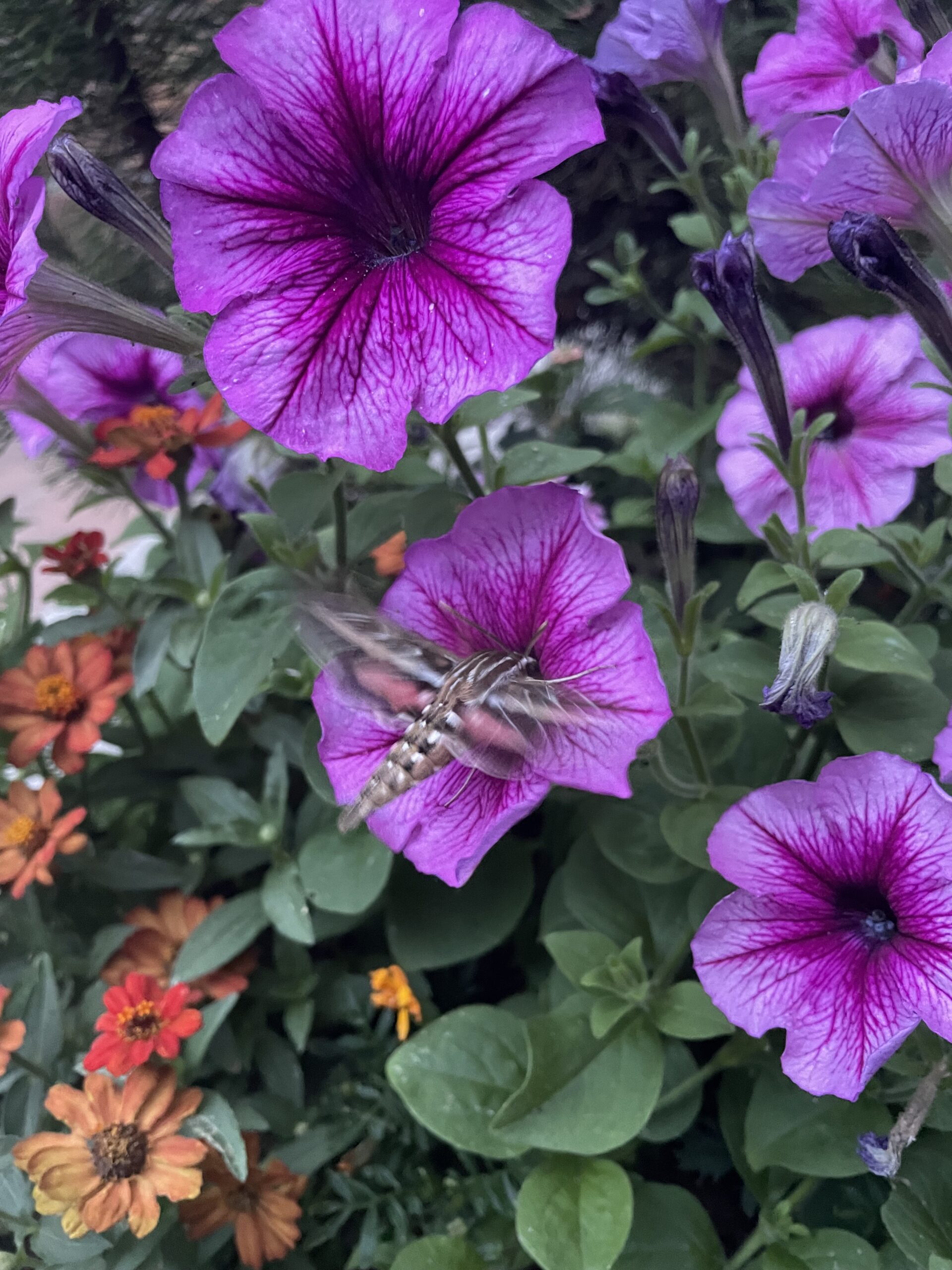
There is something magical about witnessing a garden’s lifecycle from Spring to Fall. As the snow begins to melt and the first signs of life emerge after a long winter, it never ceases to amaze me. Trees and shrubs began to grow leaves and perennials begin to awaken from the long dormancy often reminding us of their presence overnight. Animals and pollinators begin to arouse hungry and looking for food sources close by. Each plant, tree, and shrub offering a seed head or new bloom, contributing to nature in it’s own special way.
While each season is different, my other favorite part of the garden is the variety and unlimited options to personalize your own space the way you want. Each garden is unique and special in it’s own way, and should match the mood and desires of the people who enjoy the space. In turn- each garden and landscape comes with its own specific challenges- pests like deer and voles, too much sun or shade, a challenging winter season, fire danger, and water restrictions.
Whenever I start working in a new garden, I begin with the basics. I look at the soil and options for improving or amending with locally made compost. I look at the existing plant selection and determine if they fit the sun exposure, type of soil, and where there may be challenges. I determine what time of year the garden thrives, and what time of the season may be lacking. Every garden comes with different goals, and different struggles unique to each property.
Here at Mountain Roots it is my goal to create beautiful looking gardens with minimal resources and impacts to the environment. Stricter water restrictions and drought conditions are a reality in our mountain communities as we also prepare for an increase in wildfire danger. The side effects of harmful chemicals to pollinators, local water sources, and to our own physical health continues to be studied and warned about. I believe that now is the time to transition your garden spaces to contribute to a greener and safer future for our communities.
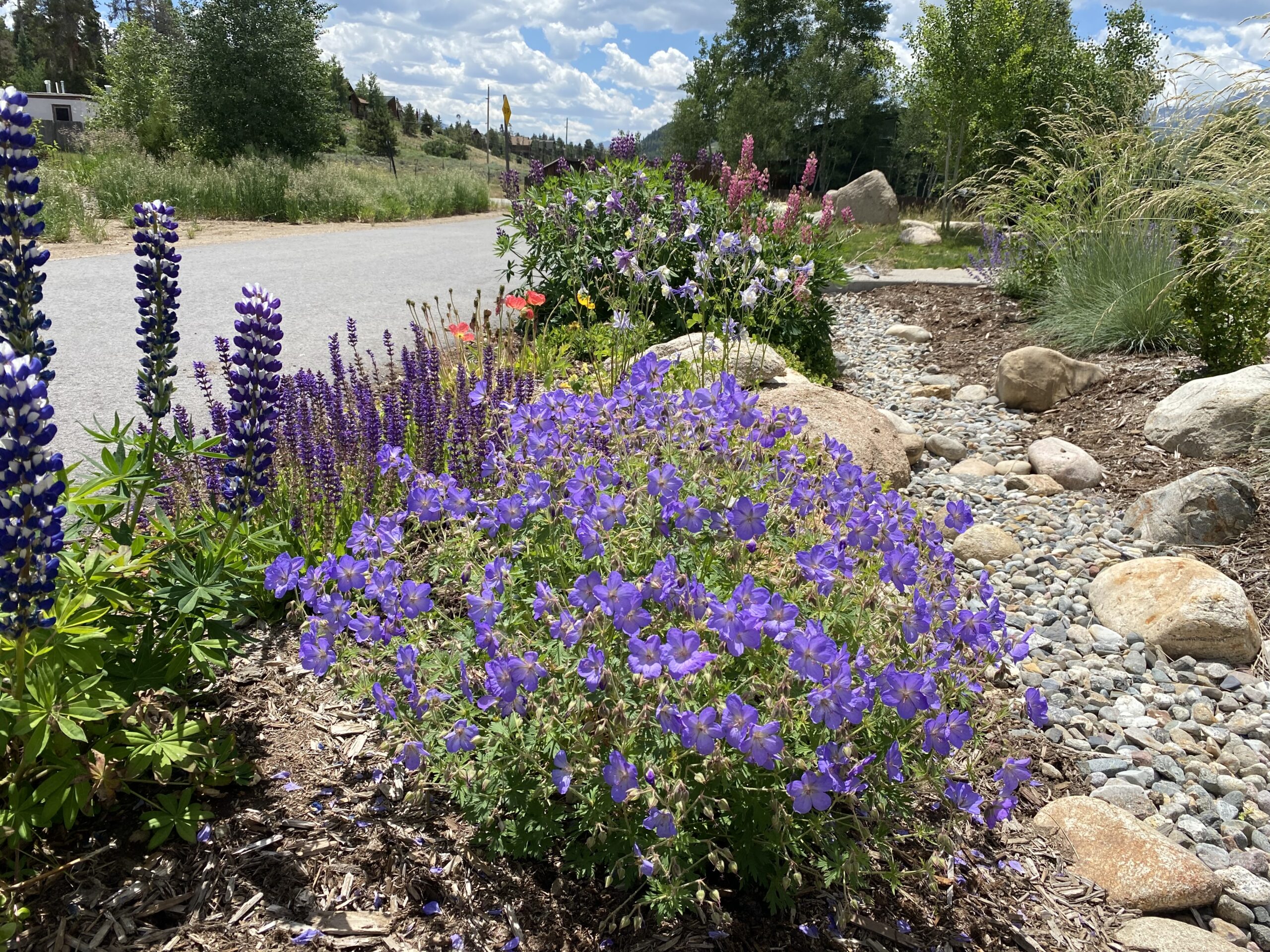
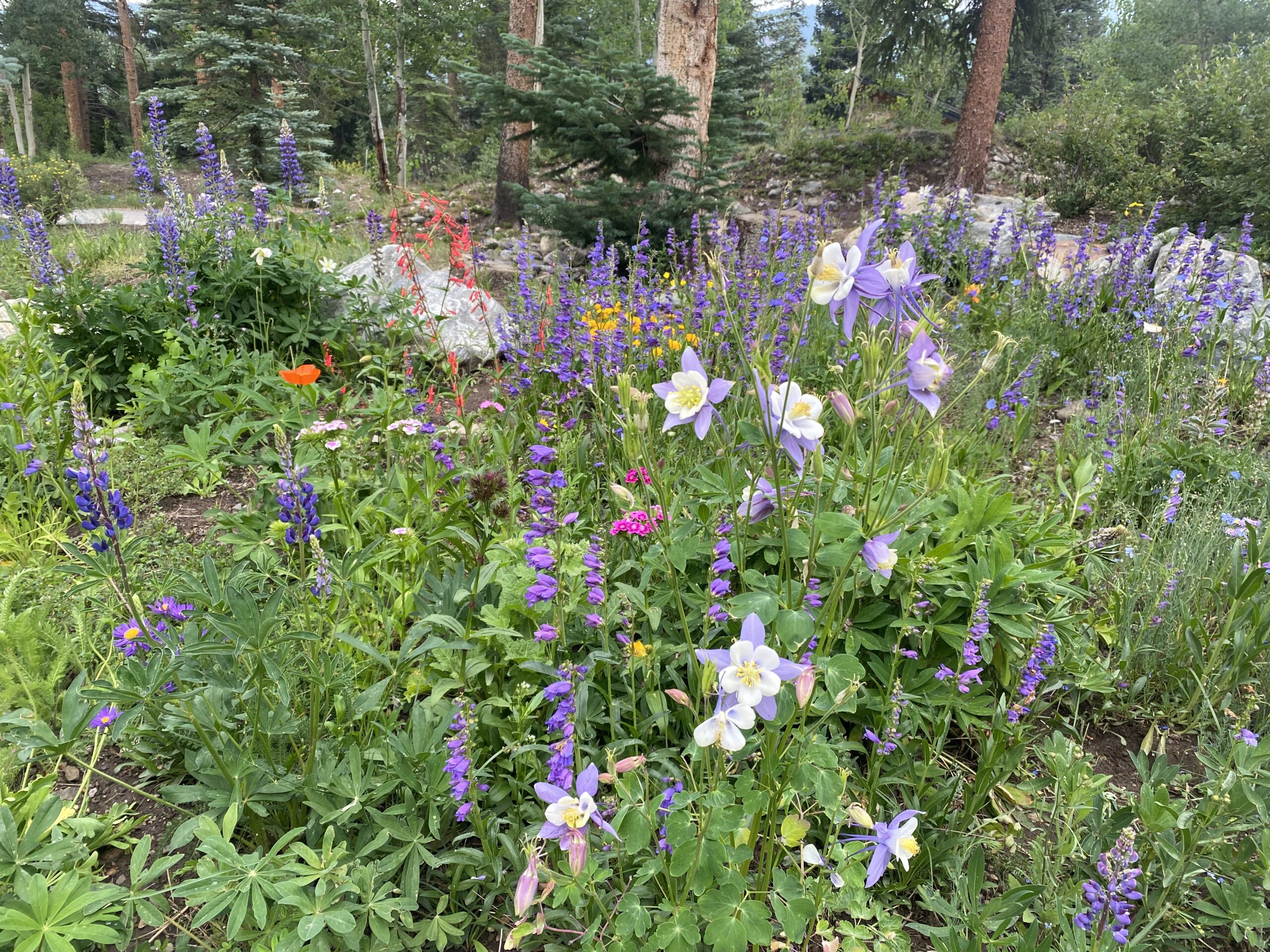
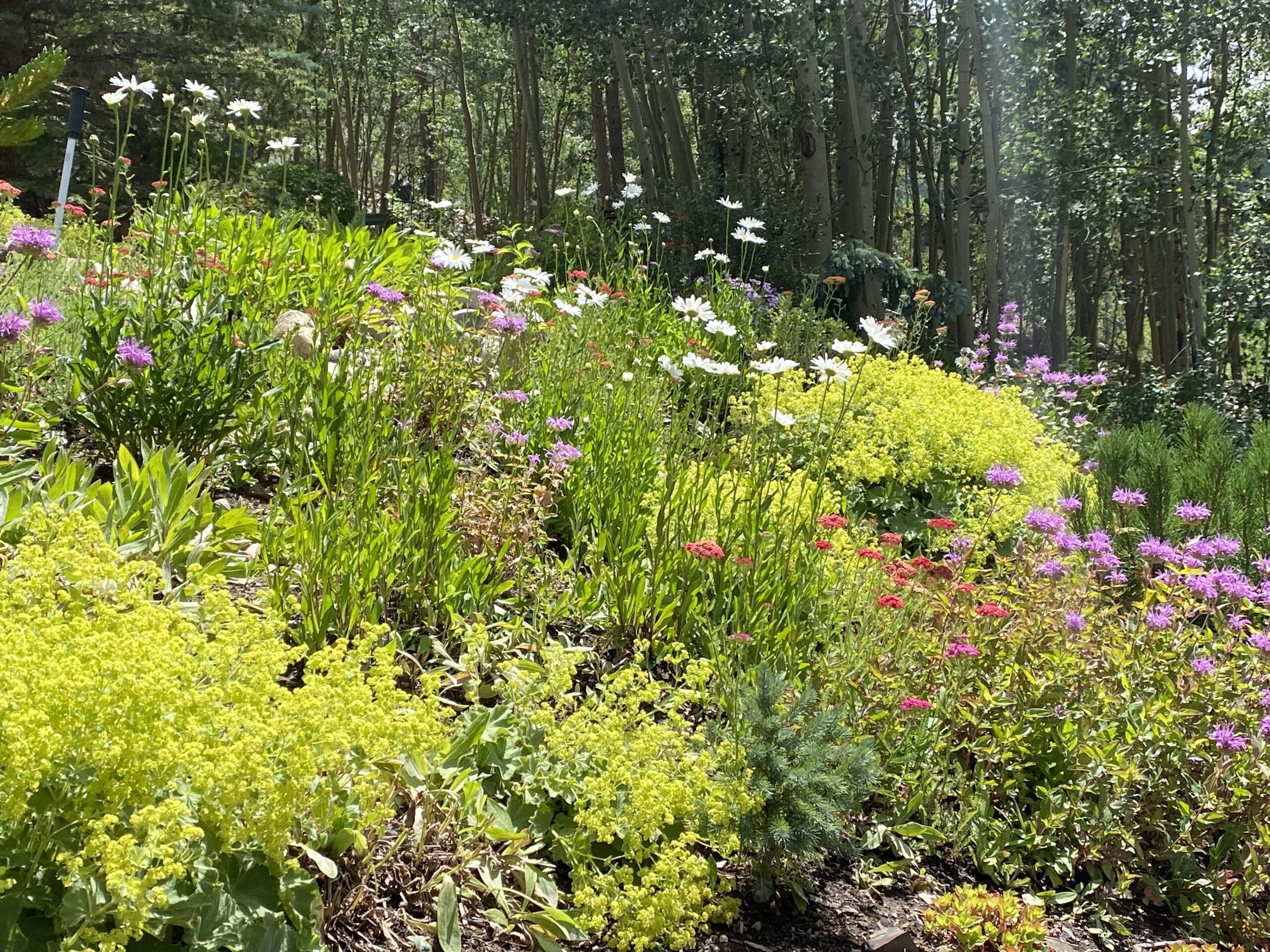
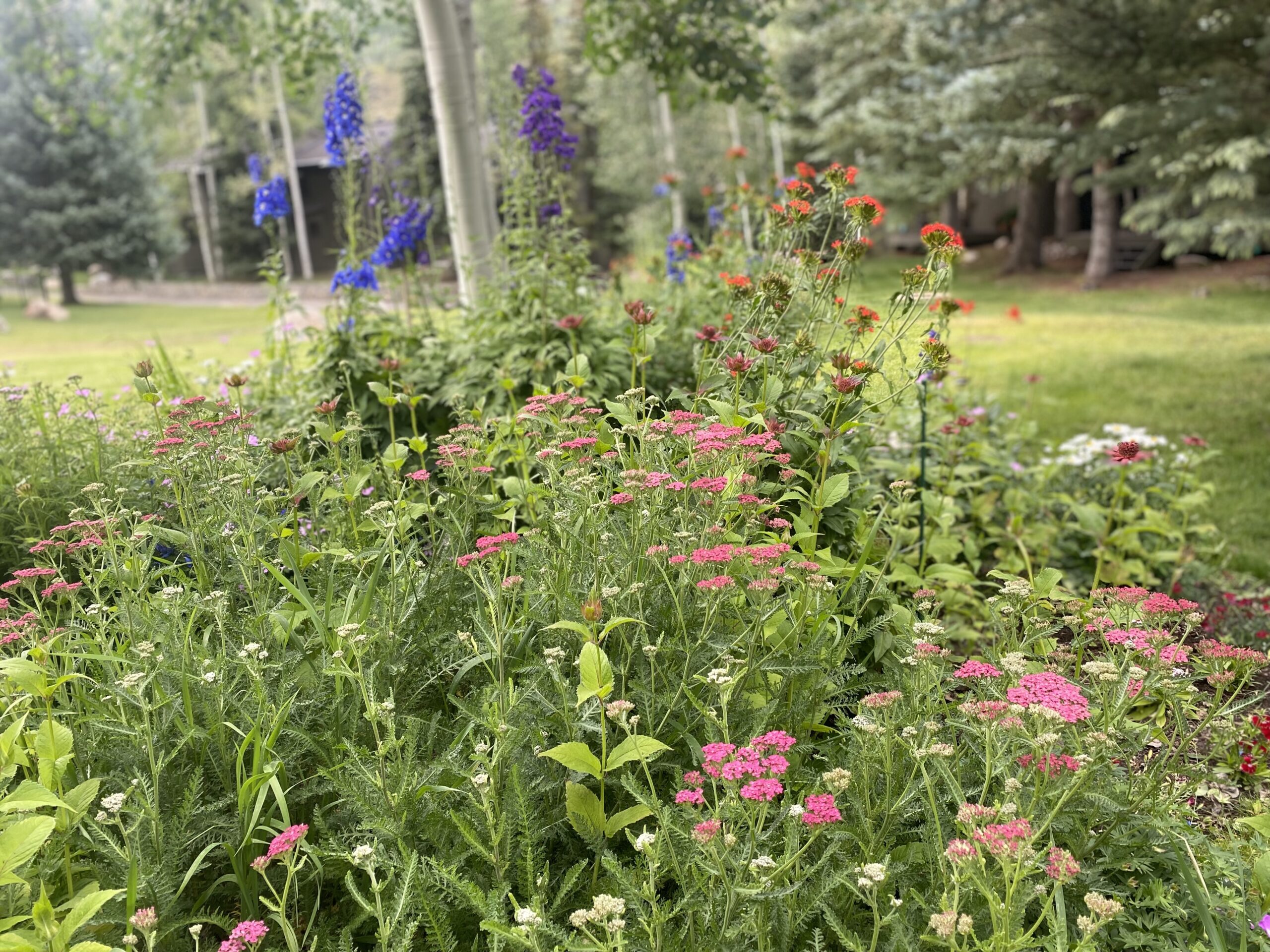
I often hear that low-water xeric style gardens cannot be colorful or beautiful. Often when visiting from other areas, people are looking for gardens and plants that they use across the country in different climates. While I do believe we all need to shift our mindset of what a beautiful garden truly looks like, I also have a few ongoing practices and principles that I stand by in the garden:
- Abide by local water restrictions. Deeply soak gardens 3x/ a week to encourage deep root growth instead of a light drink every day. The soil should dry out between waterings which helps with pests and diseases while helping plants acclimate to drier conditions. Try to turn off your irrigation when we do receive rain, and return that saved water back to the garden during a hot or dry spell.
- Remove weed barrier from heavily planted areas. I typically only recommend weed barrier in rock beds without plants, or with minimal trees and shrubs. Weed barrier can be harmful to soil health by increasing the compaction, restricting air flow, and preventing plants from spreading and thriving.
- Proper plant selection. Use plants that fit your sun exposure (full sun, part sun, part shade, or full shade), pick low water plants and natives when possible, and plants that are grown or thrive in our climate and zone. Think about what time of year your garden needs color as each plant shines in Spring, Summer, or Fall.
- Amend beds with locally made compost. Ever wonder where all of the plant debris from deadheading, mowing, and cutbacks goes? There is a local plant pile to drop debris that is then turned into compost that can be added to your beds each season eliminating waste from the landfill and adding nutrients to your soil and plants. Mountain Roots practices the no-till method which means compost is simply added to the top of your beds to break down naturally. The research shows that this helps with carbon levels in the atmosphere and protecting organisms in your soil.
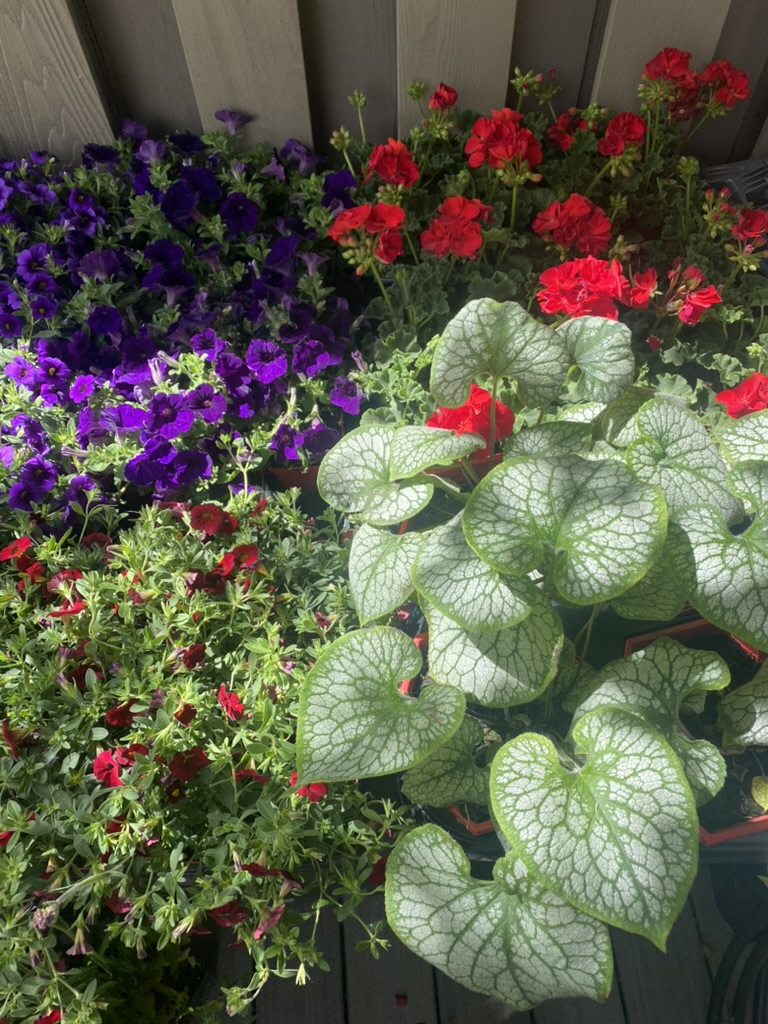
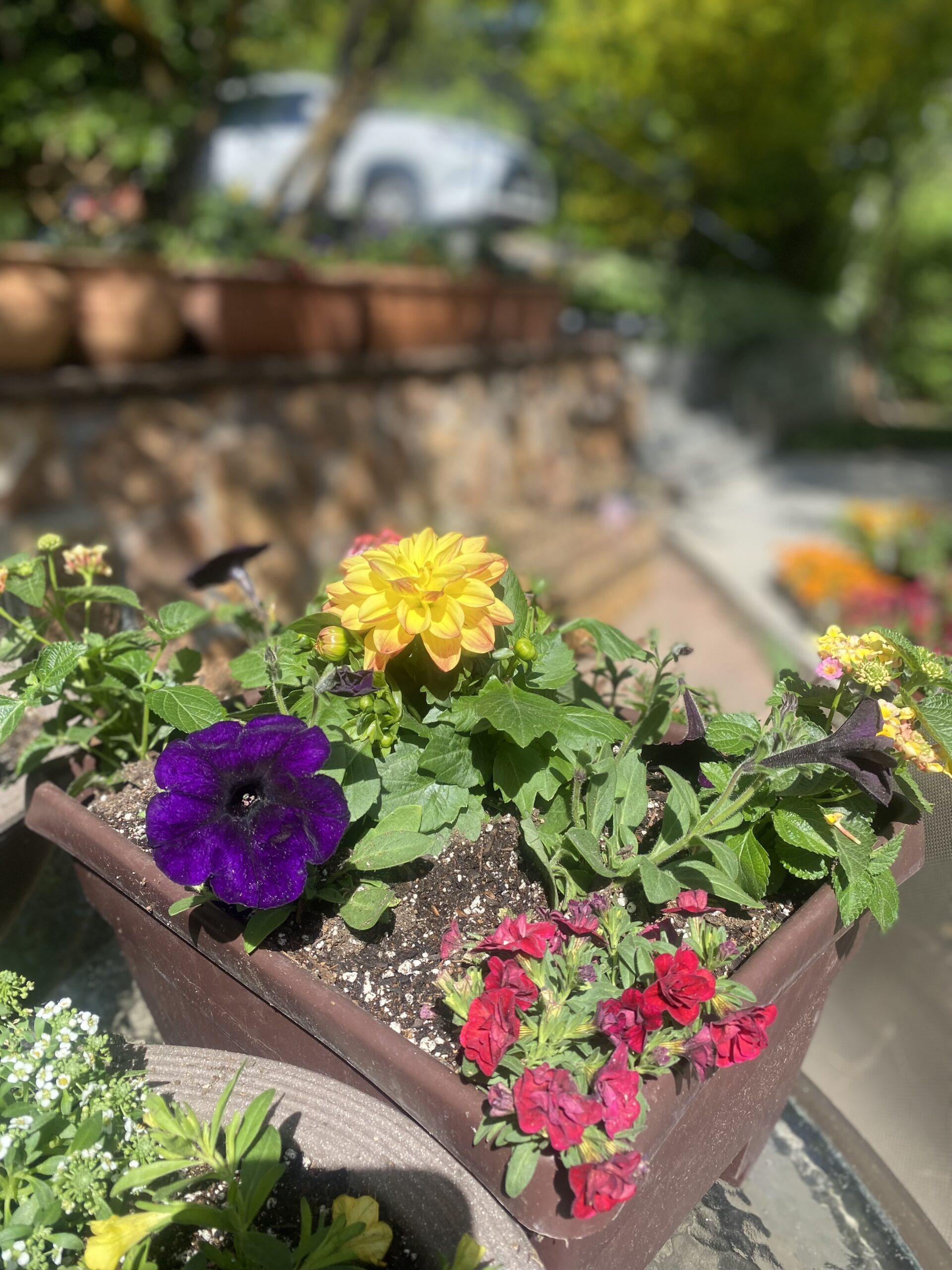
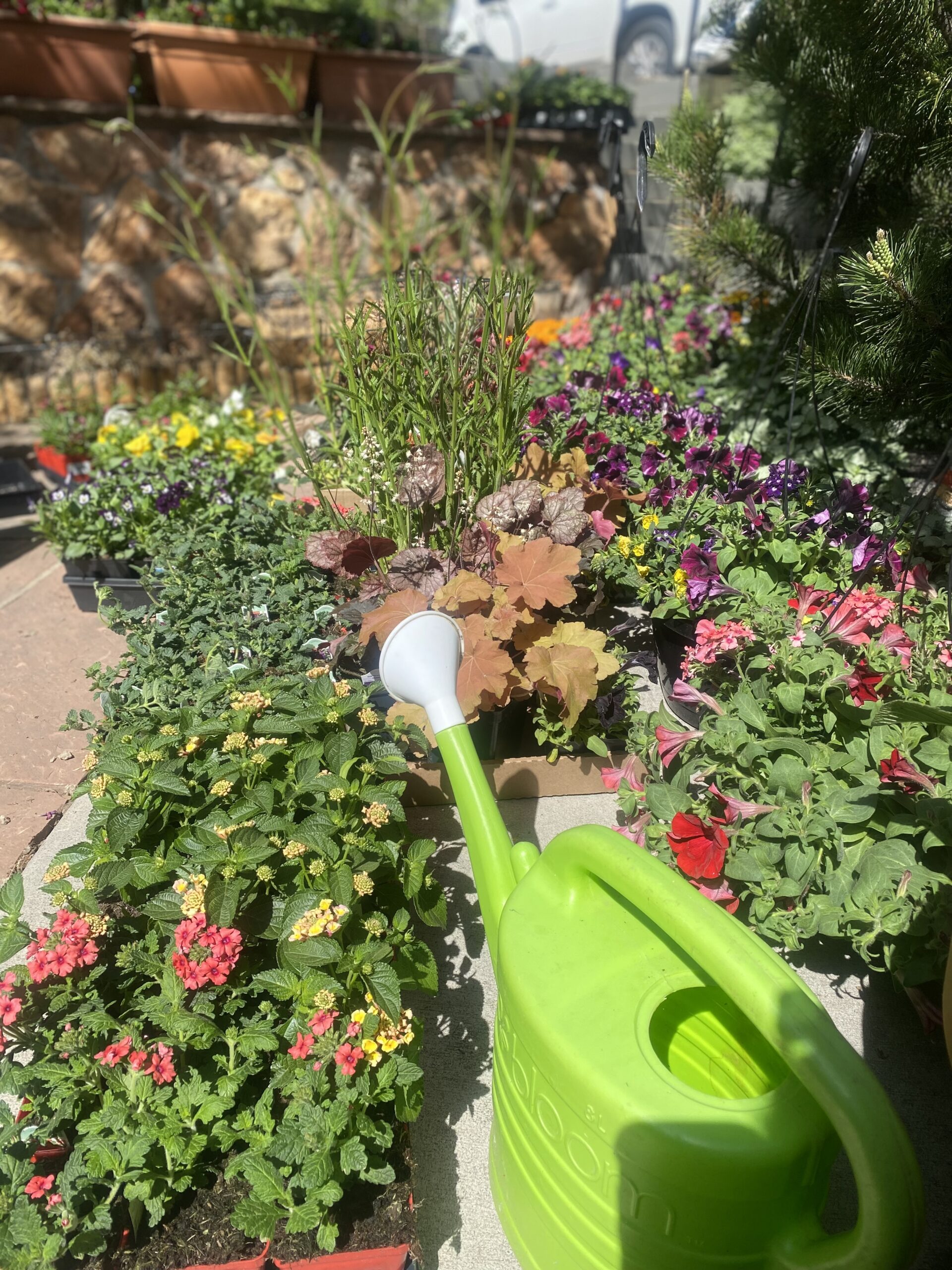
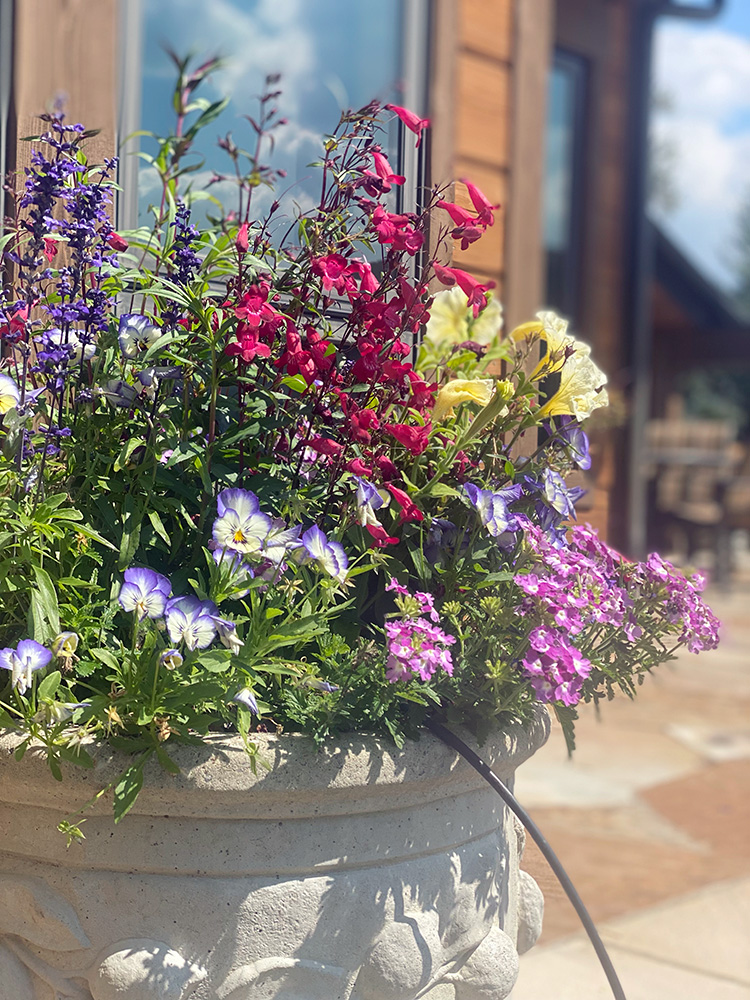
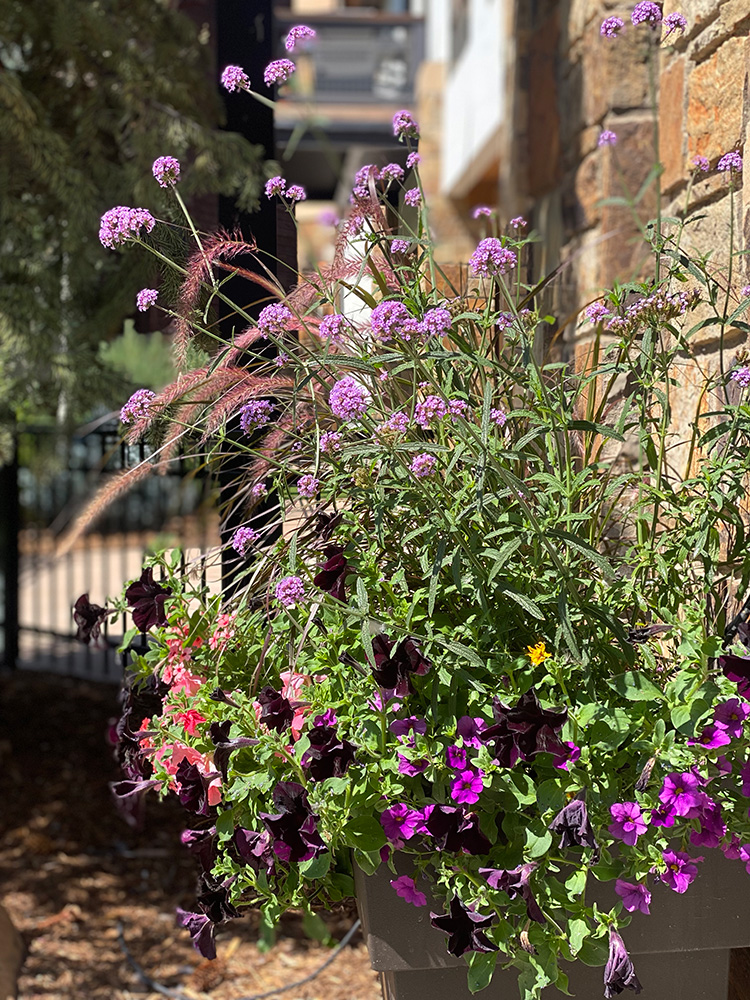
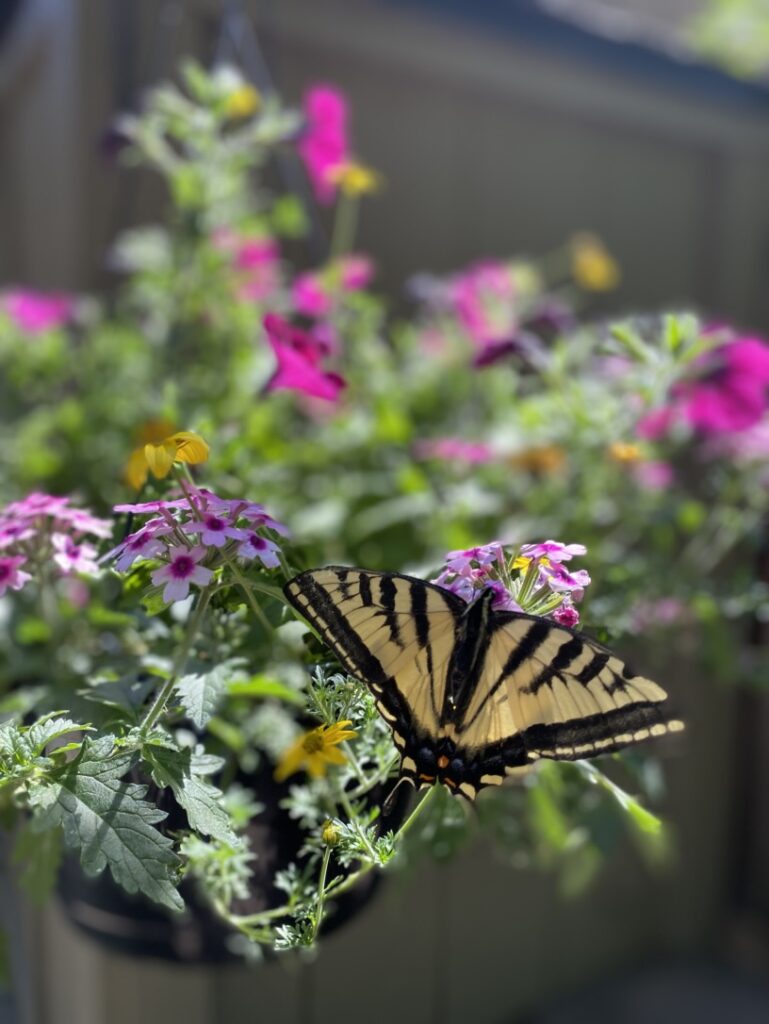
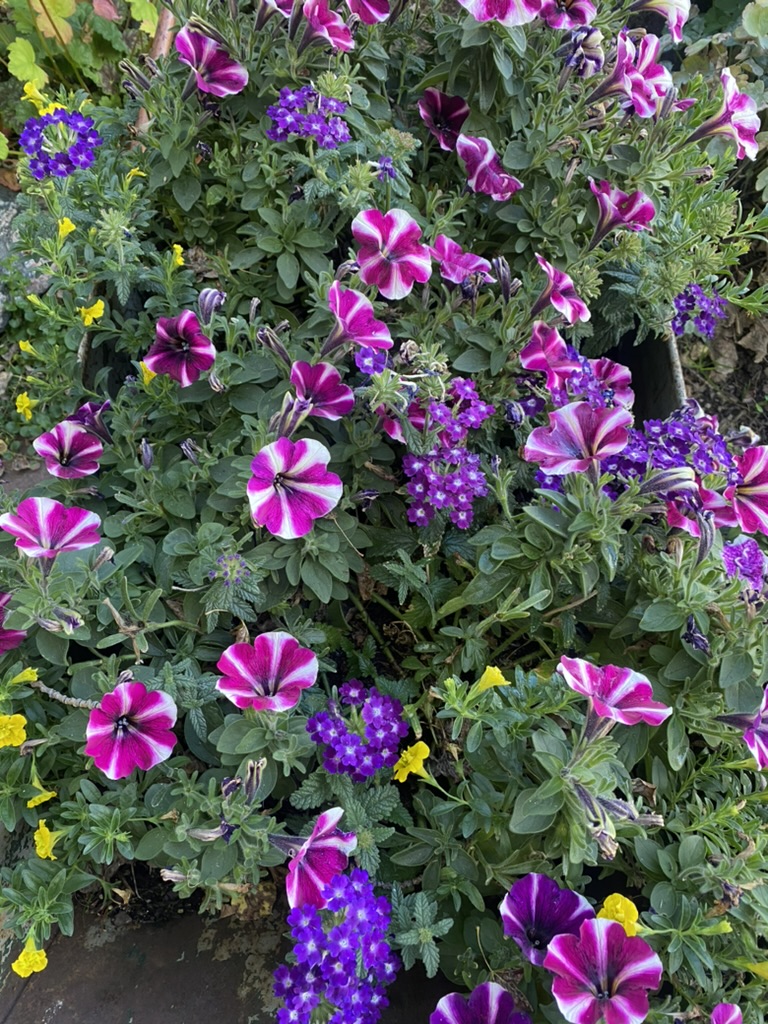
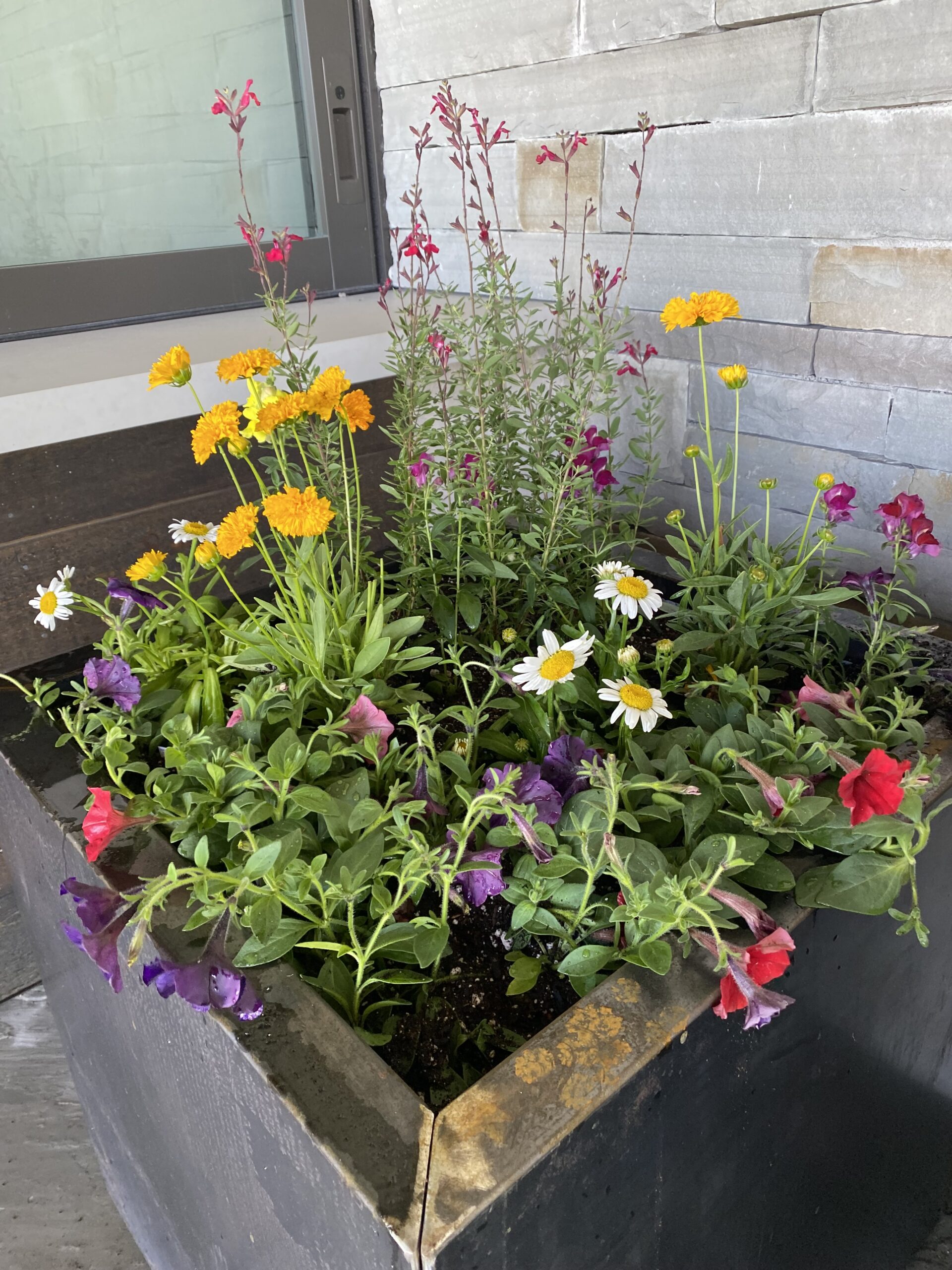
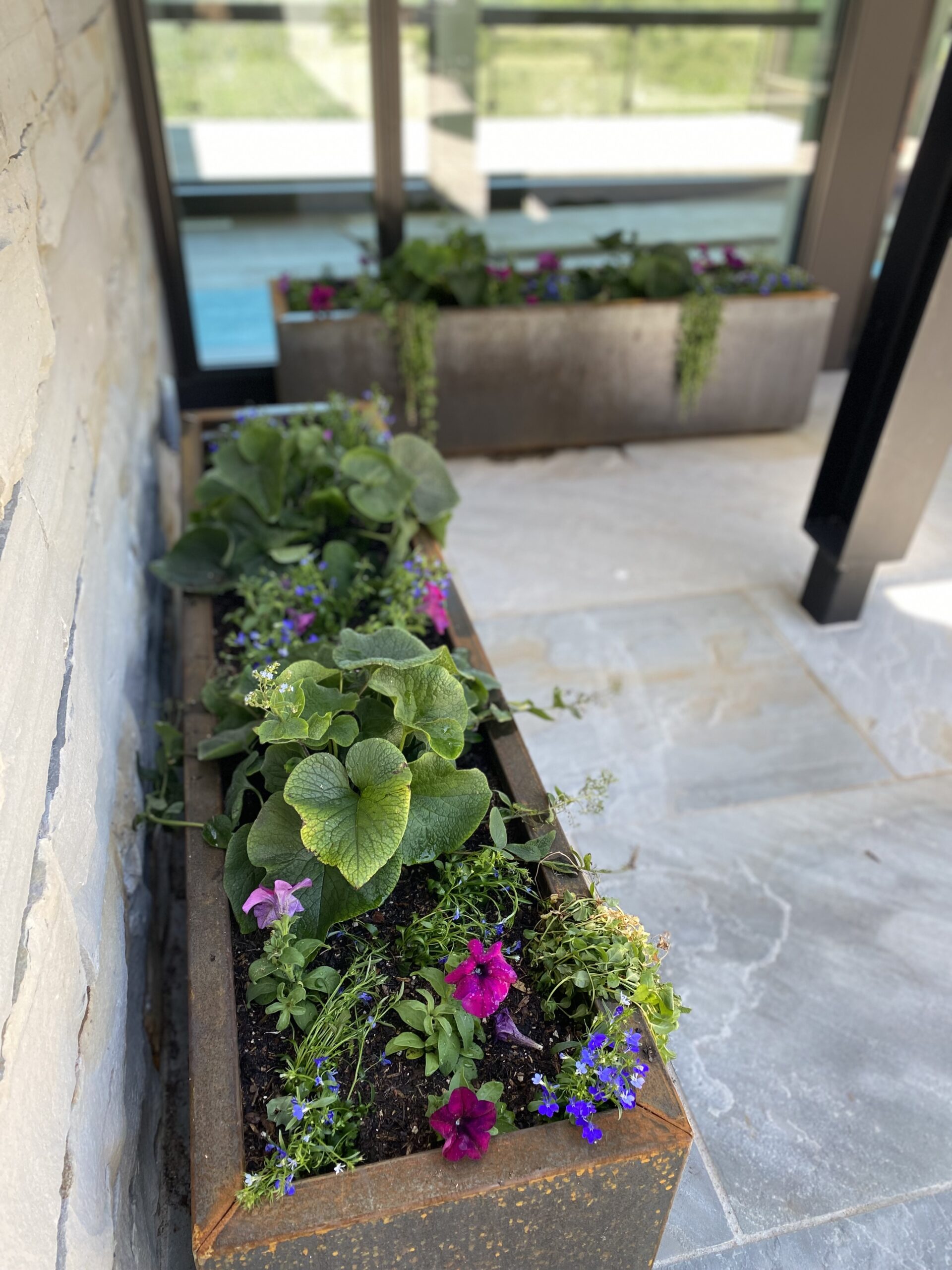
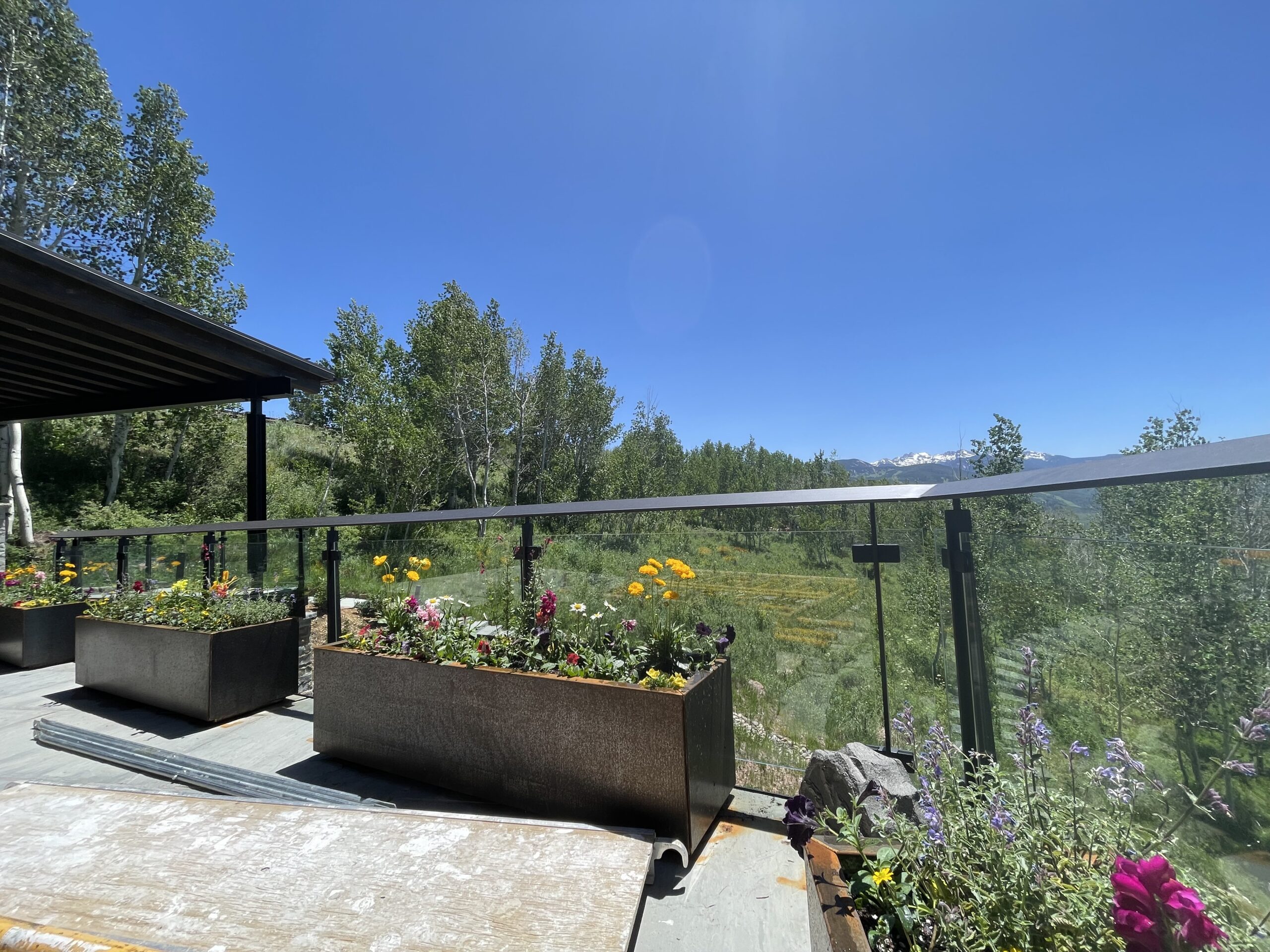
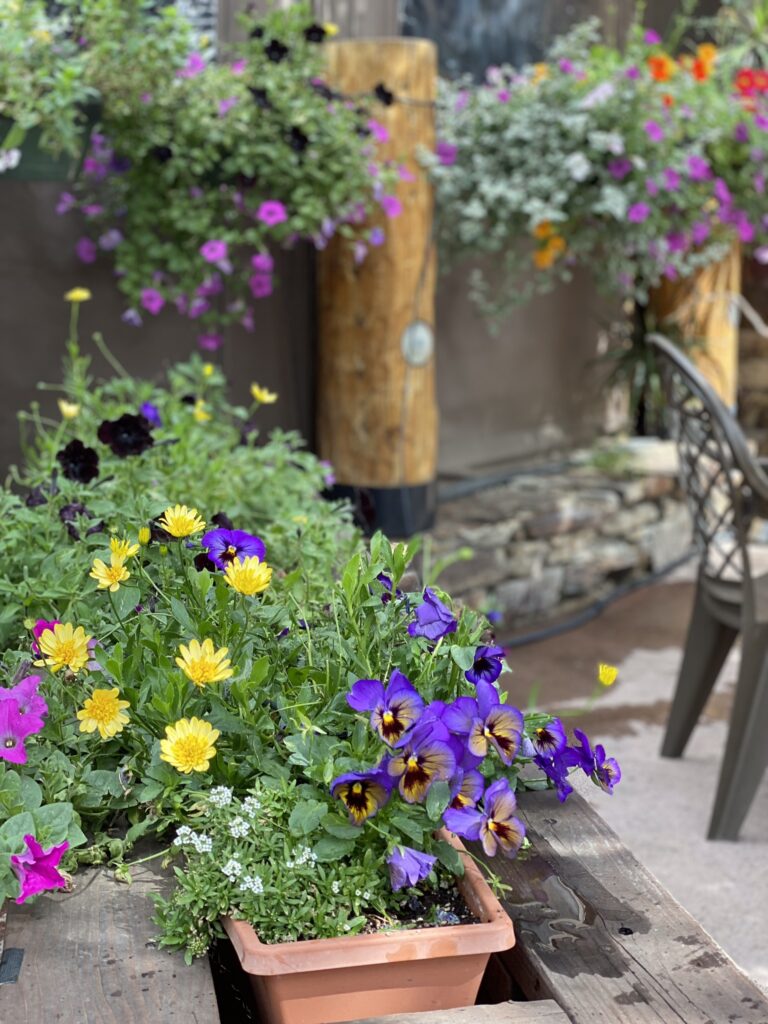
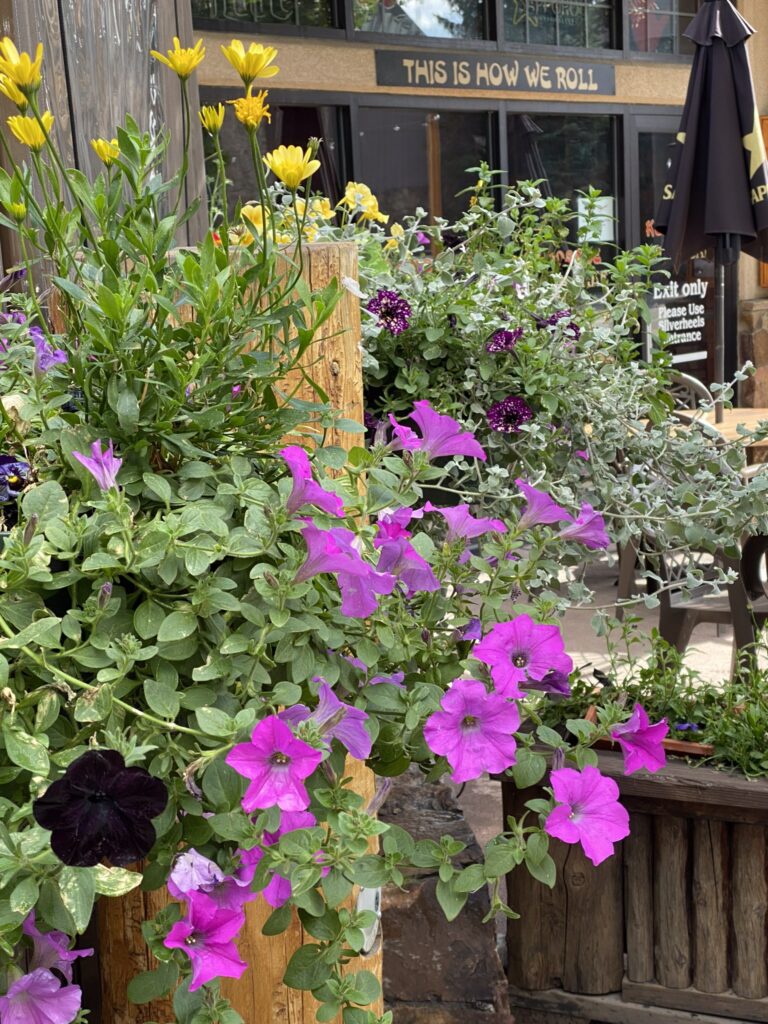
- Start using less annuals. Annuals require more water and fertilizers than perennials and are typically packed tightly into large spaces around the gardens. Try to minimize annuals by choosing smaller spaces or a few containers for a statement burst of color. I also encourage mixing perennials into your containers and hanging baskets instead of using all annuals. The perennials require less water and resources, can often overwinter for another season, or can be transplanted into a ground bed in the fall.
- Decrease turf areas and plant more trees, shrubs, and perennials. Turf requires a lot of water, resources, and maintenance. Decreasing these areas and creating more planting beds will help with water bills, creating shade, and a healthier ecosystem.
- Live in harmony with pollinators and wildlife. It can be challenging to battle different wildlife issues in our gardens and landscapes, but we are living in their home too. Pick and choose your battles. Try to use netting, deterrents, and fencing when possible and avoid harmful chemicals. Leaving some of the garden debris overwinter also allows for a safe space for our much needed pollinators to overwinter.
- Grow some food!- Supplement your family’s food intake by growing food crops. Start small and set a realistic growing plan based on your space and conditions. Great for container gardens as well! This can be a great family activity and help make a small impact in your community. Short on space? Sign up for a local community garden plot.
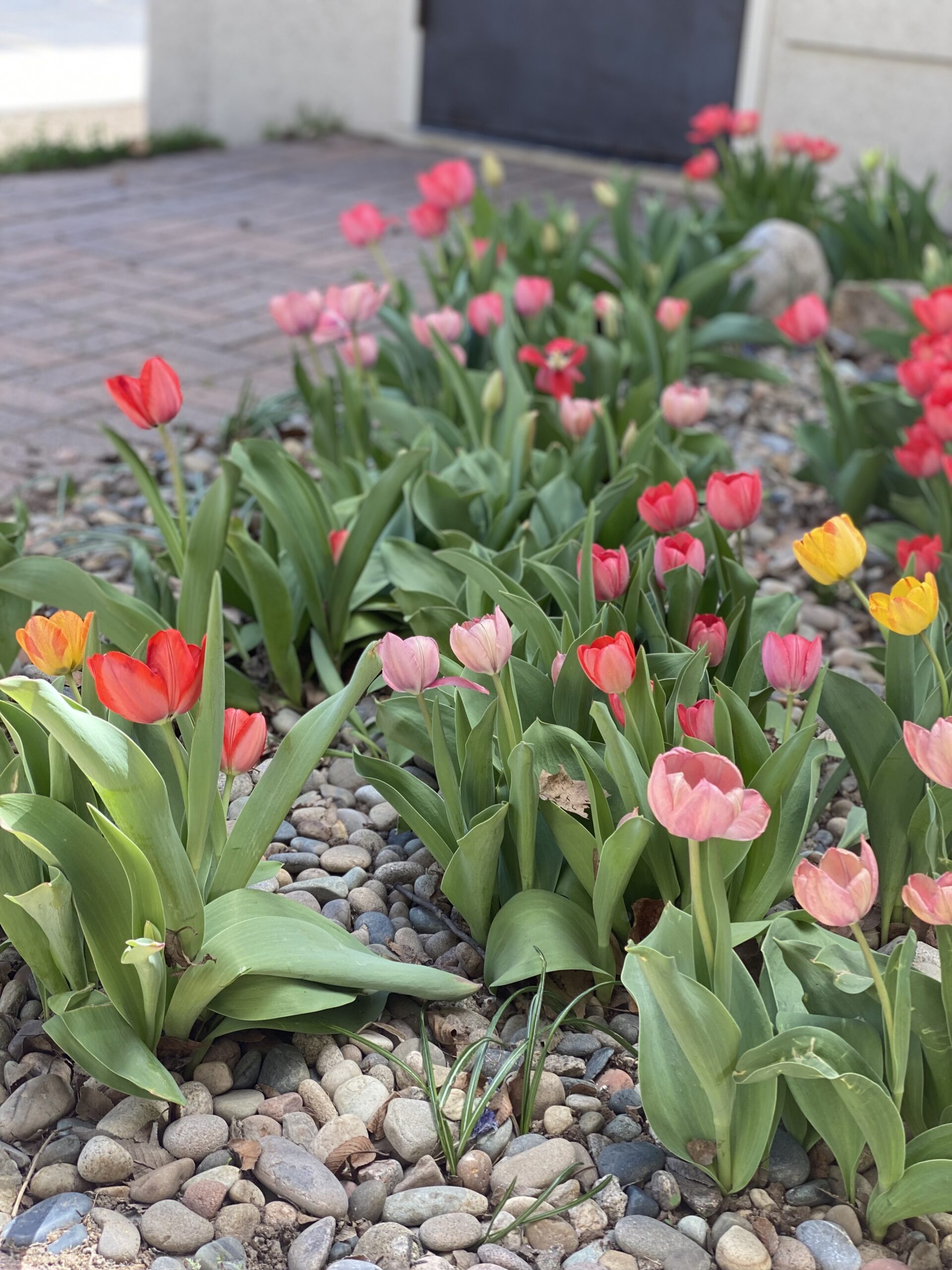
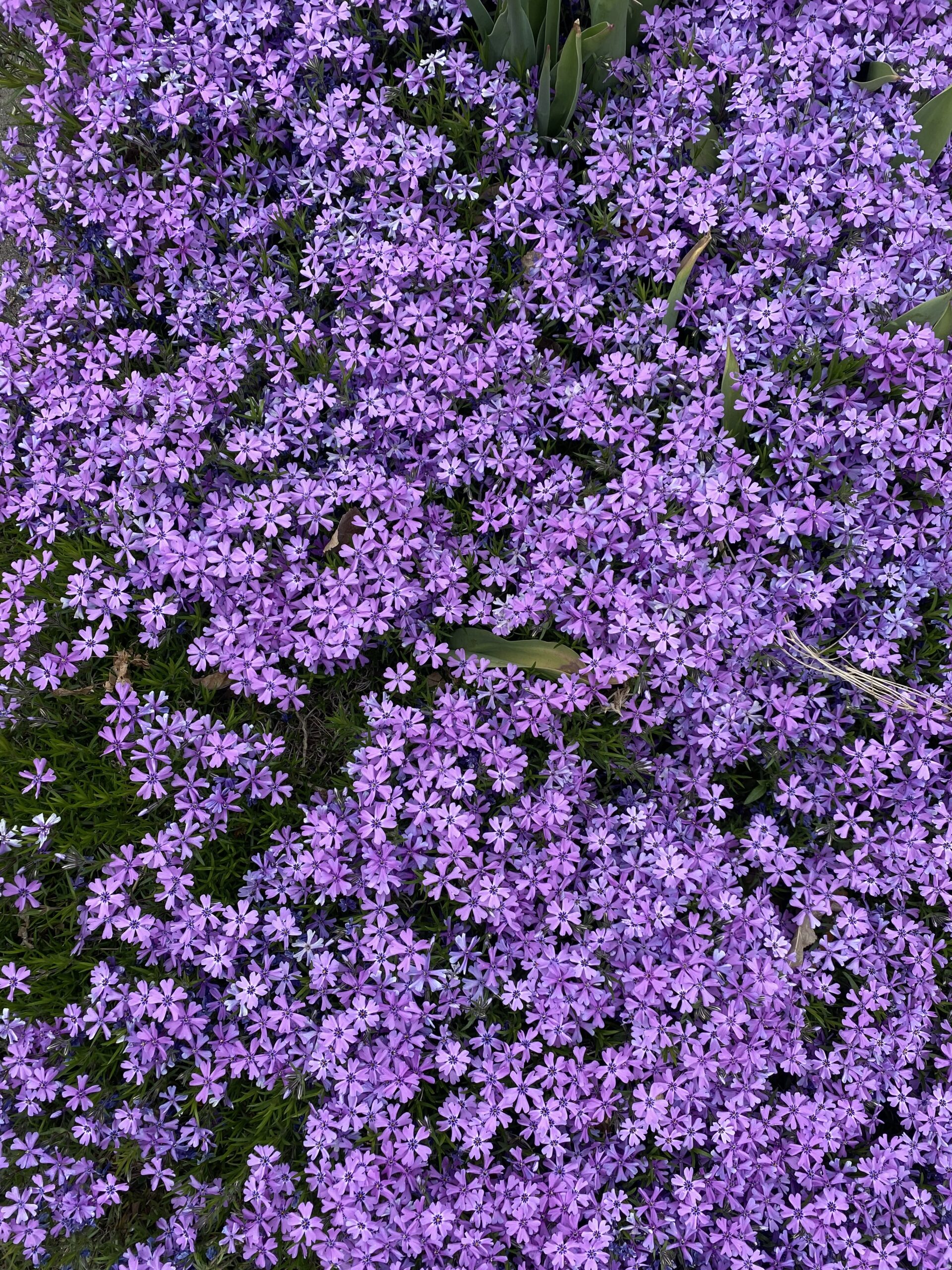
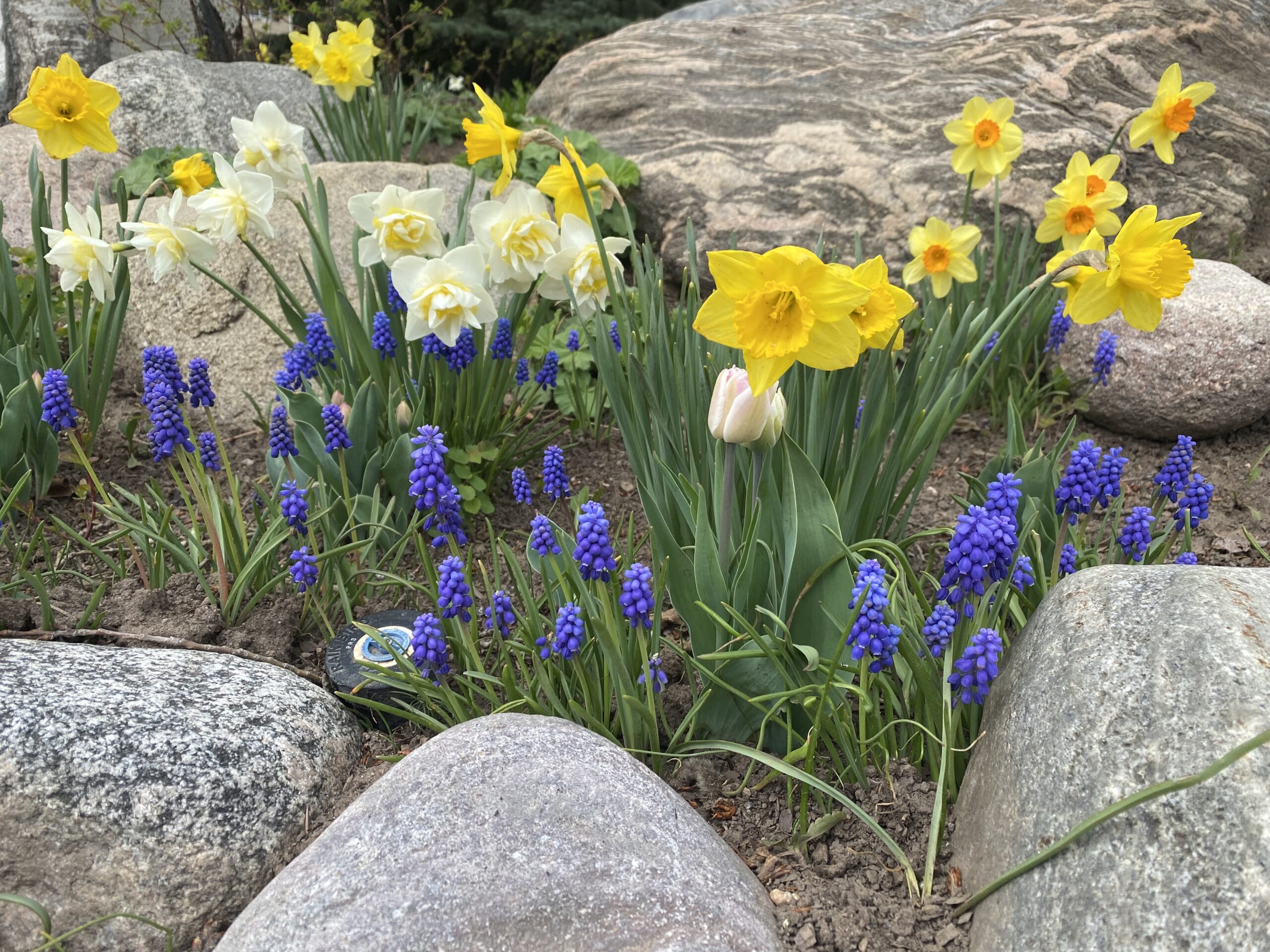
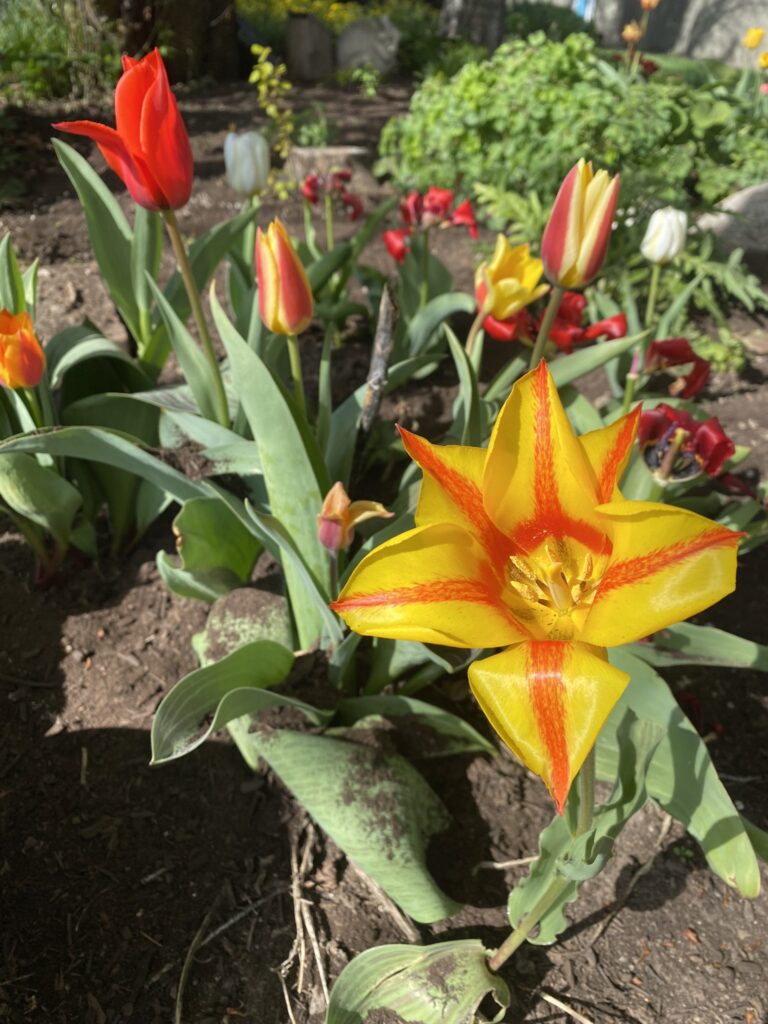
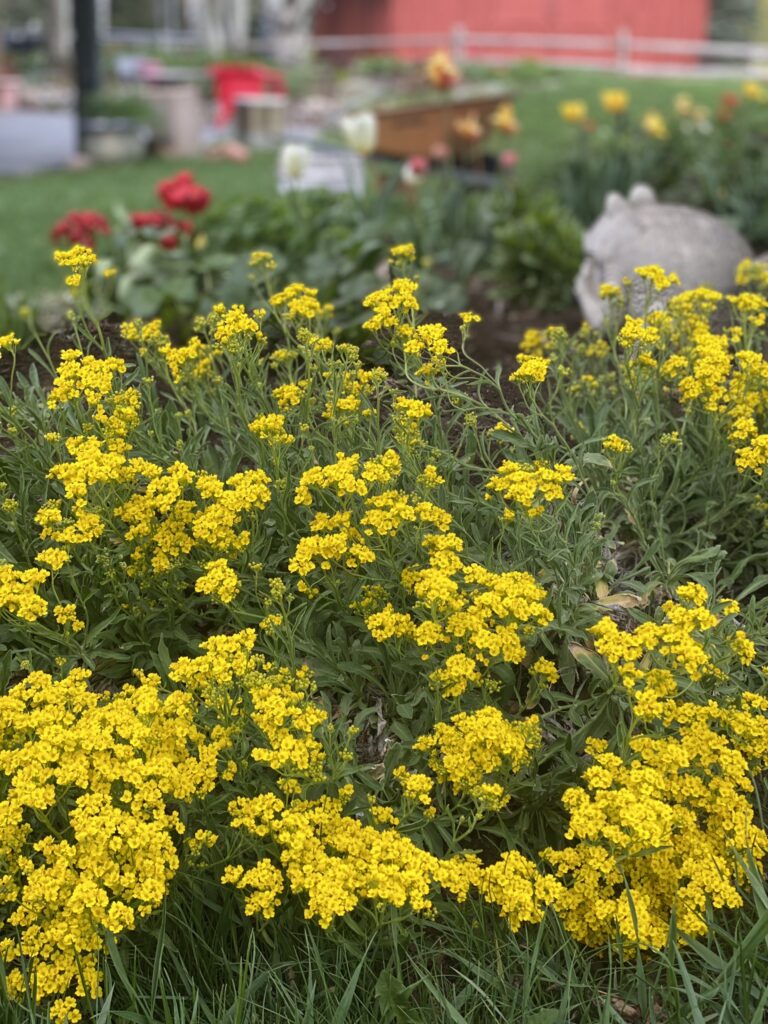
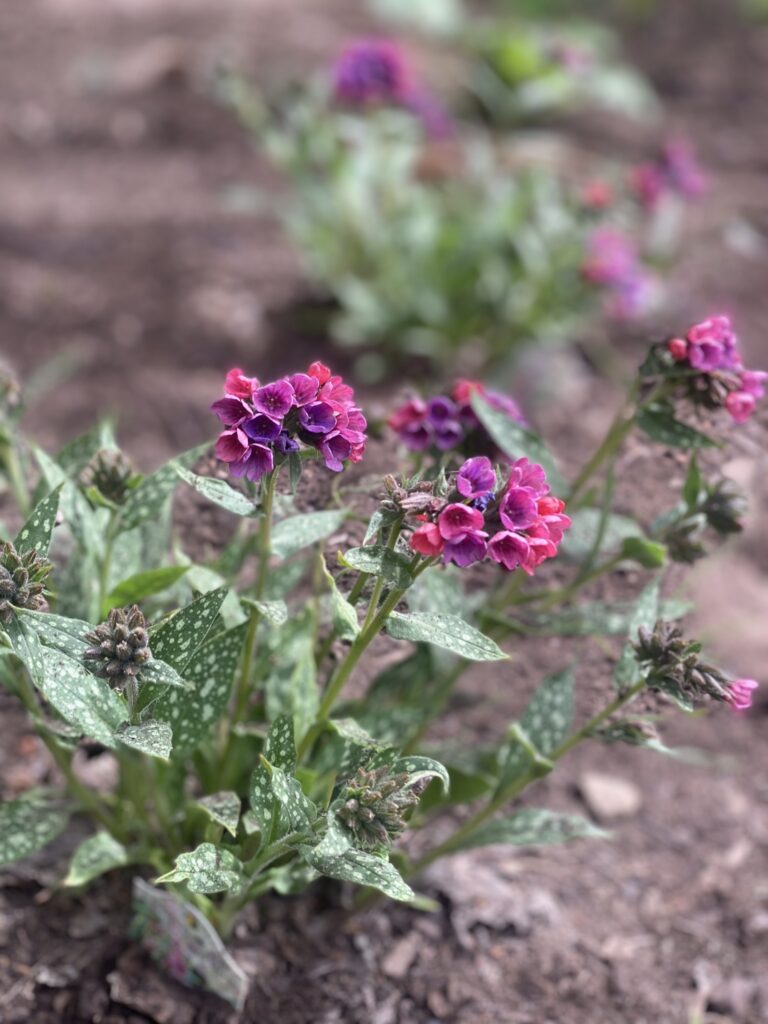
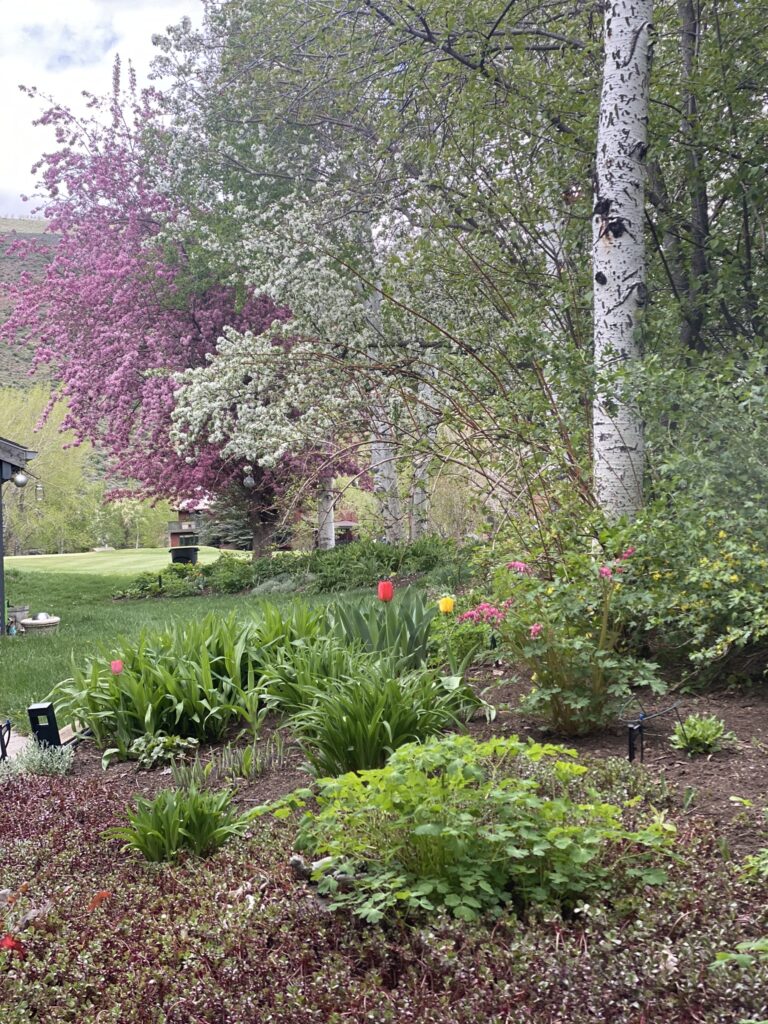
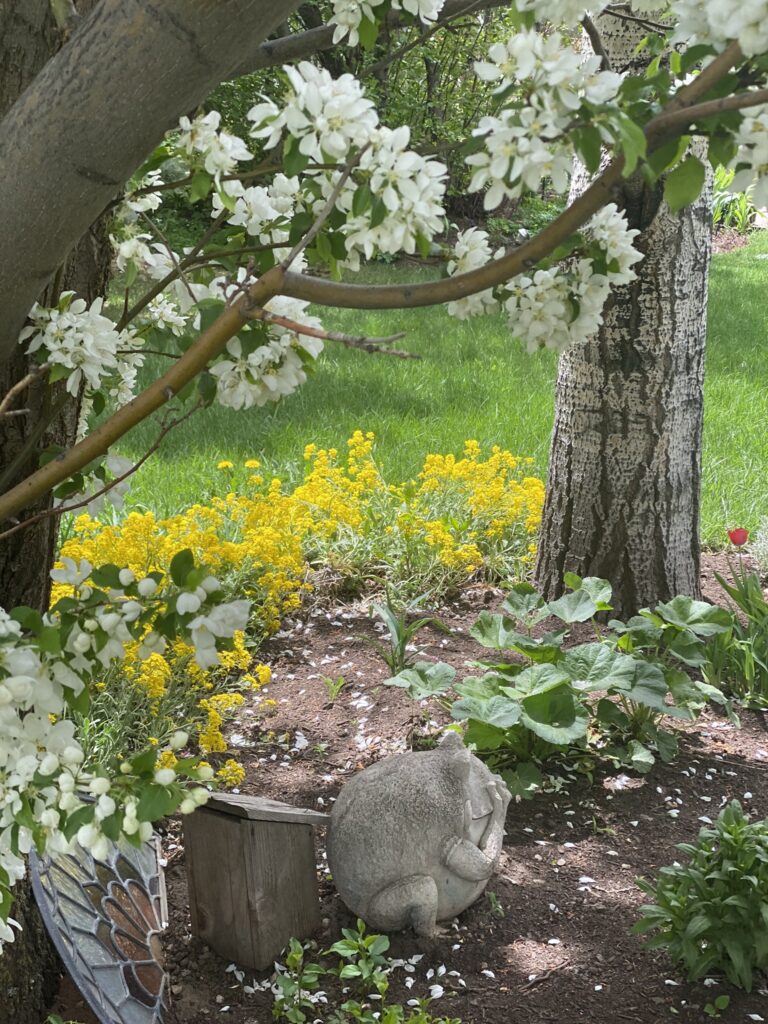
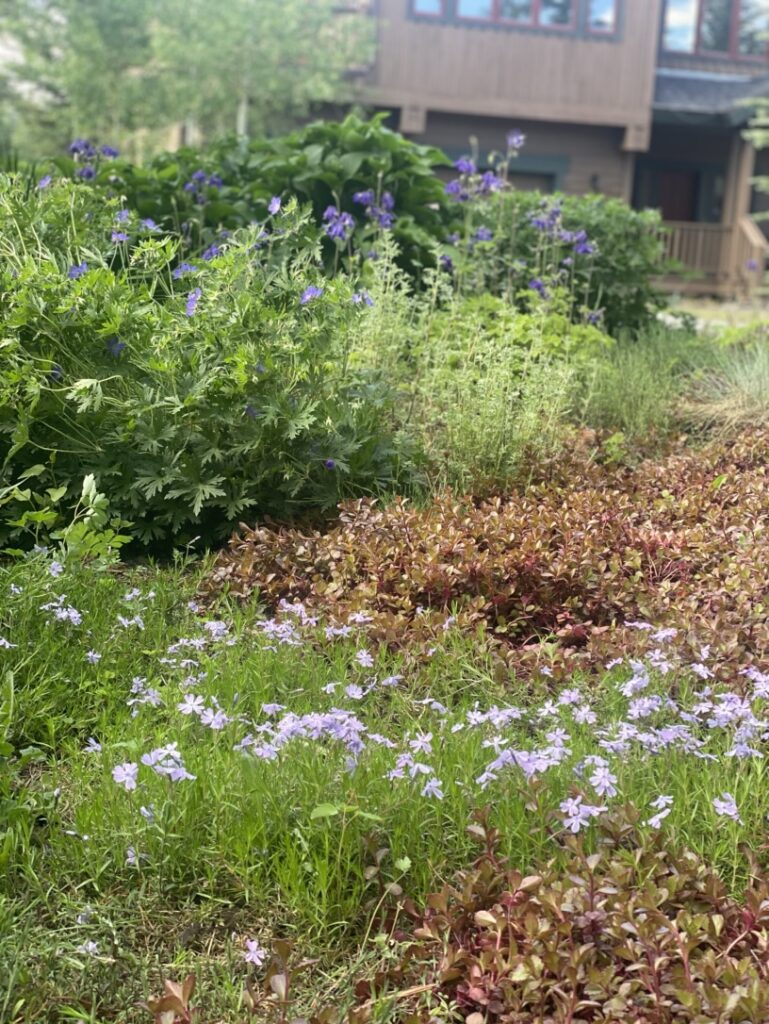
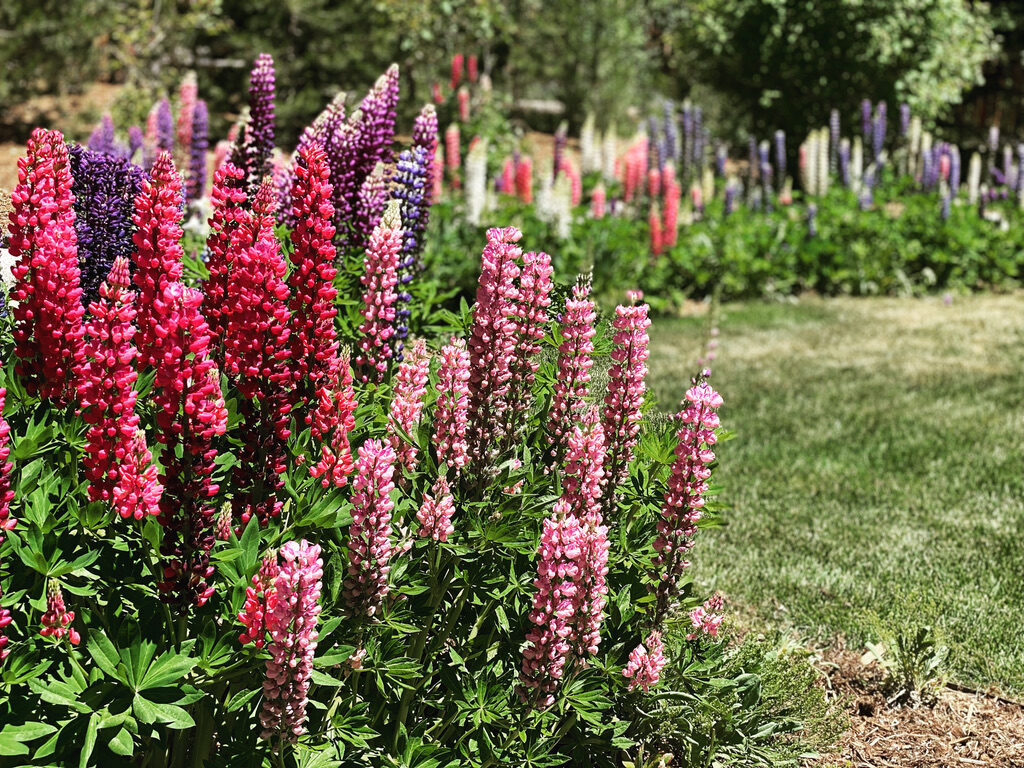
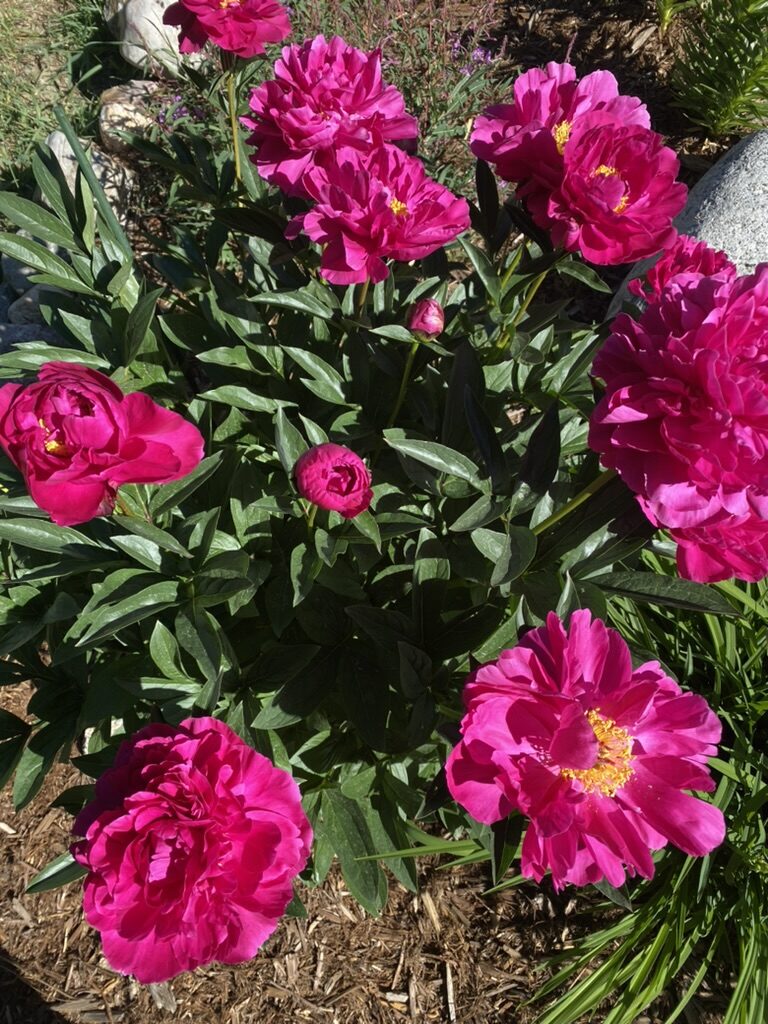
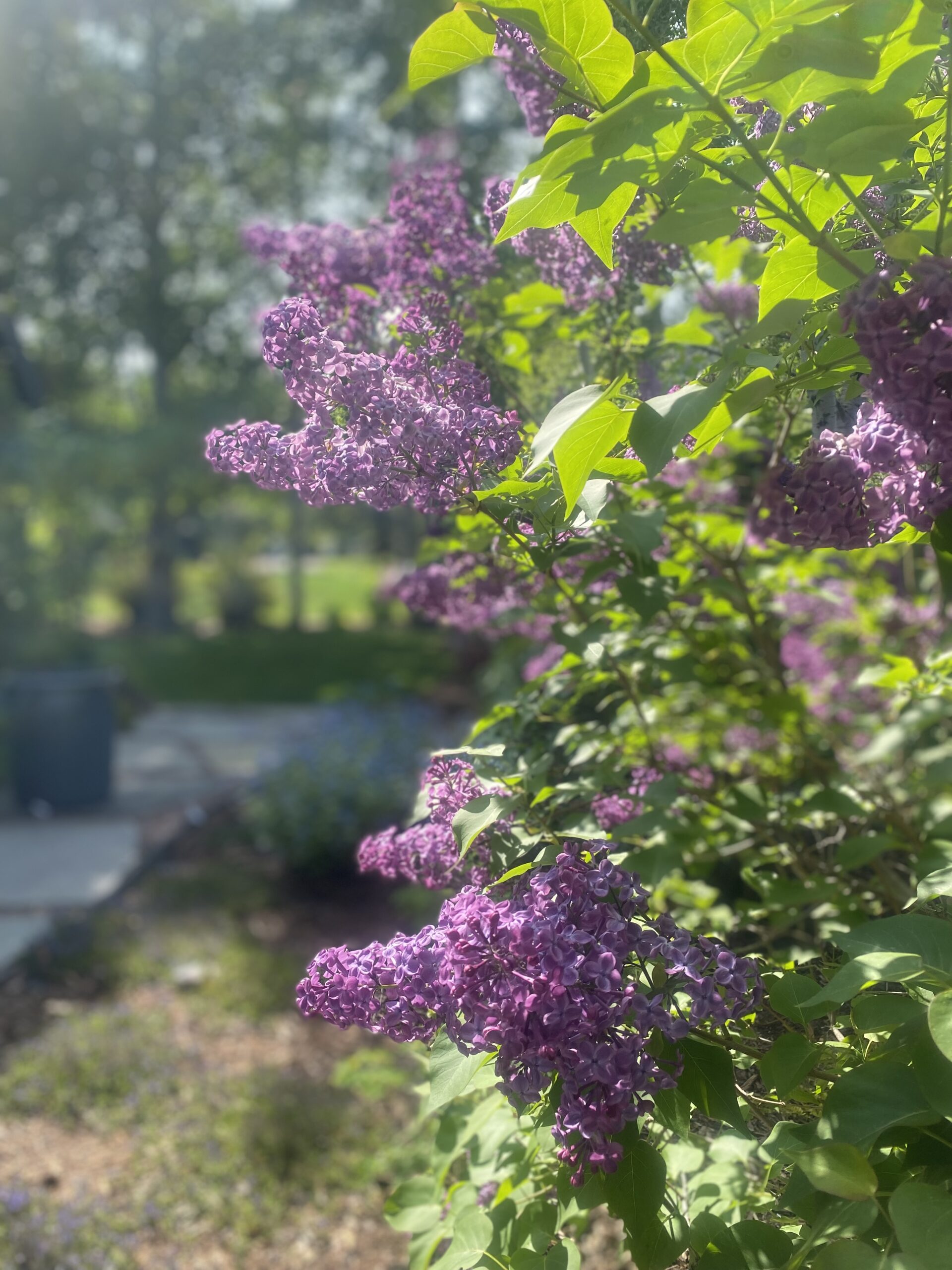
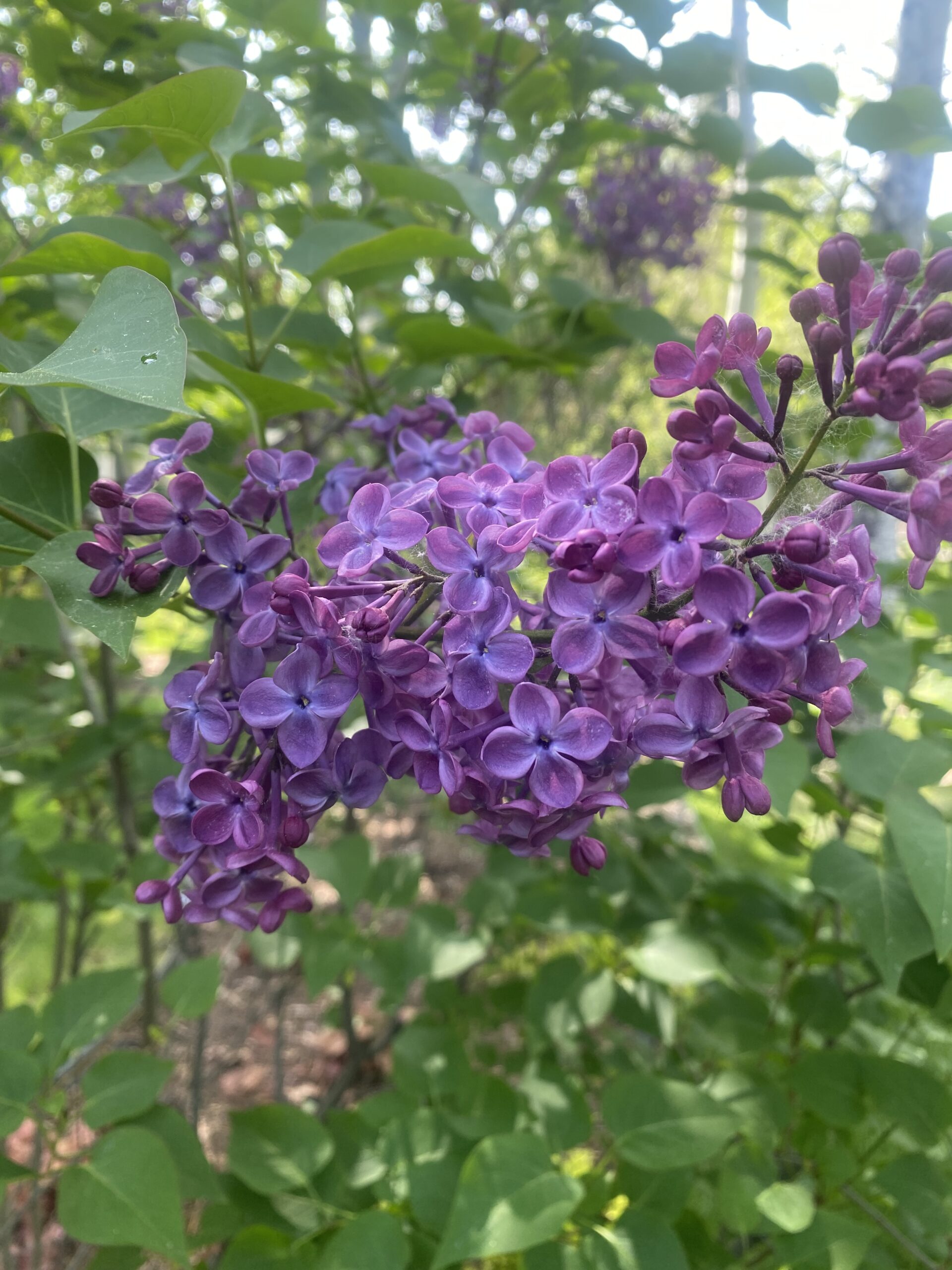
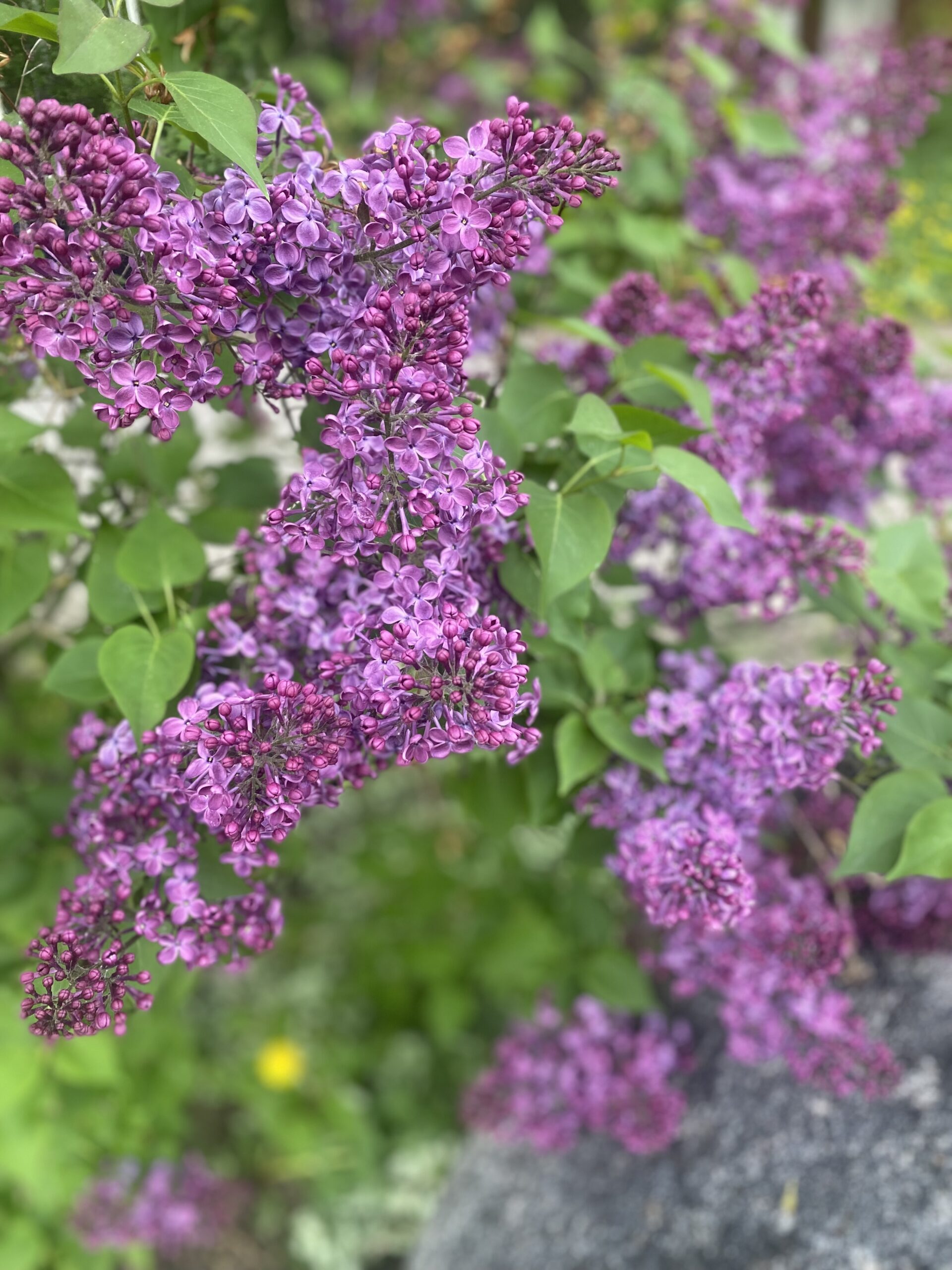
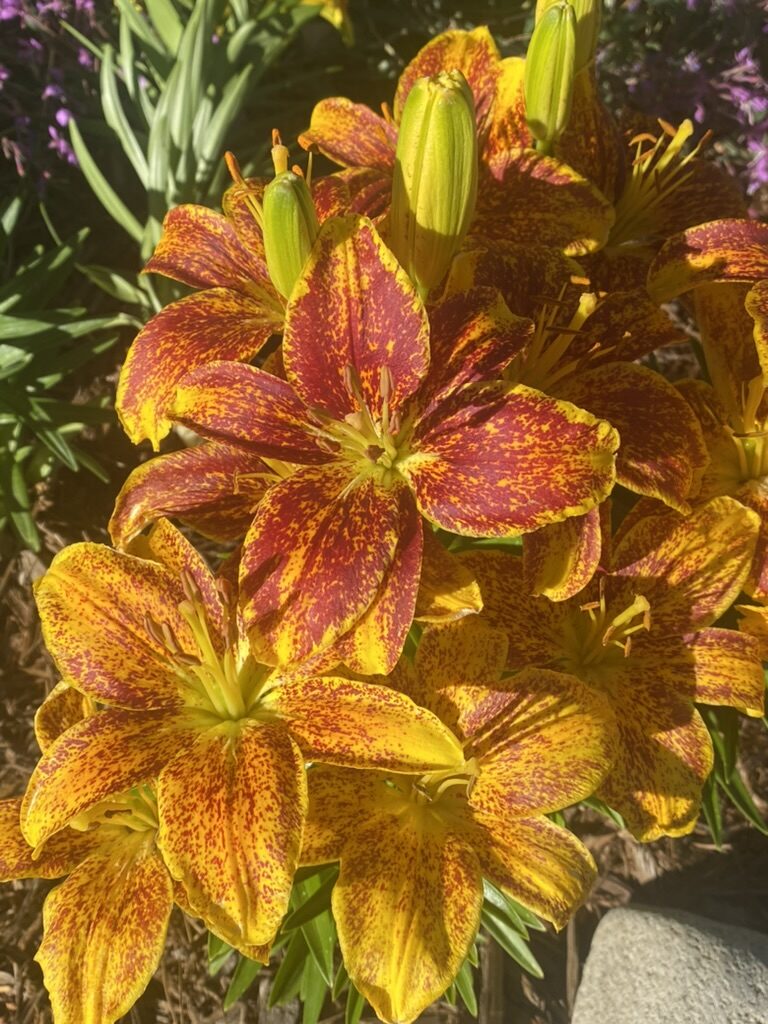
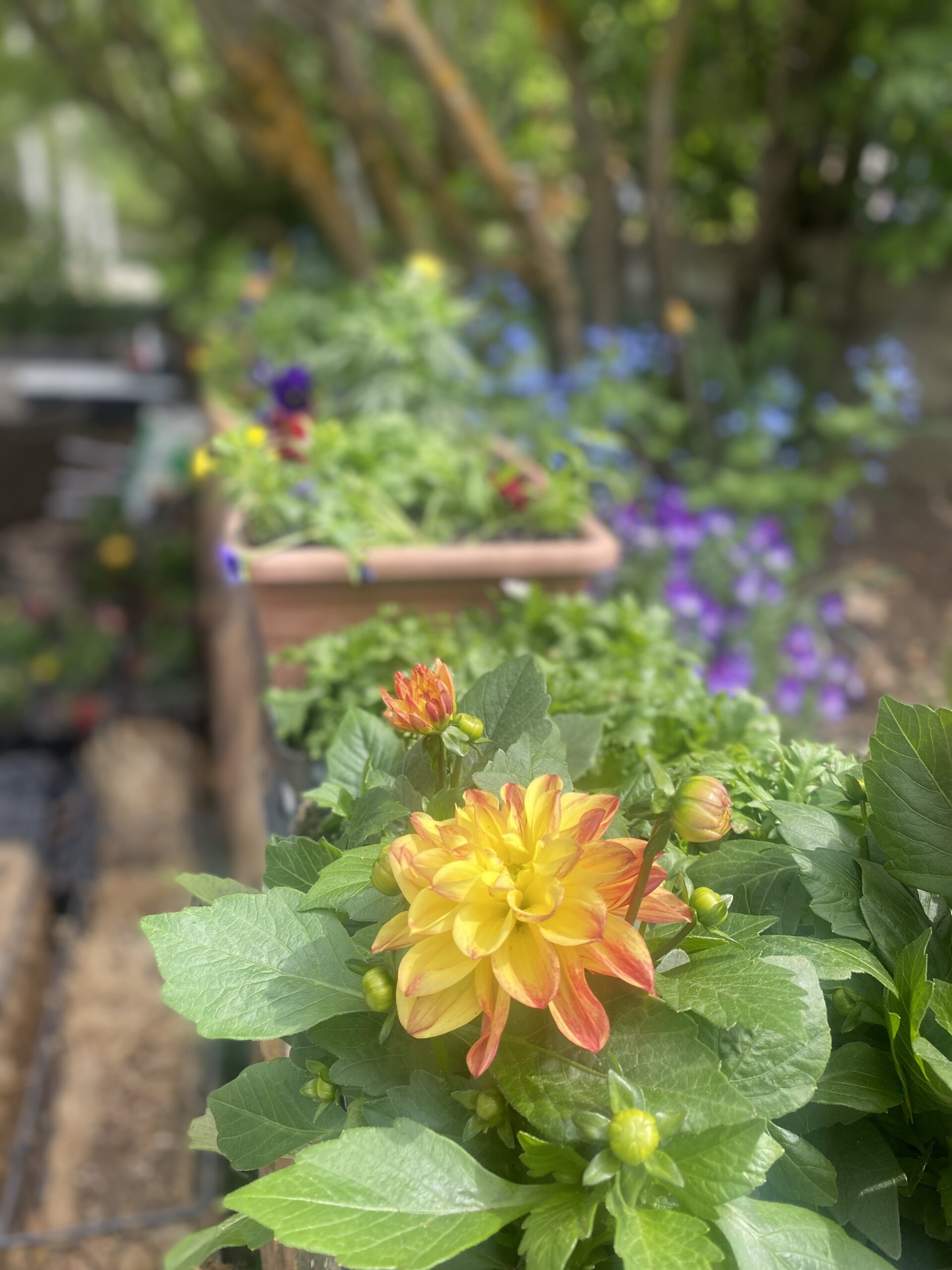
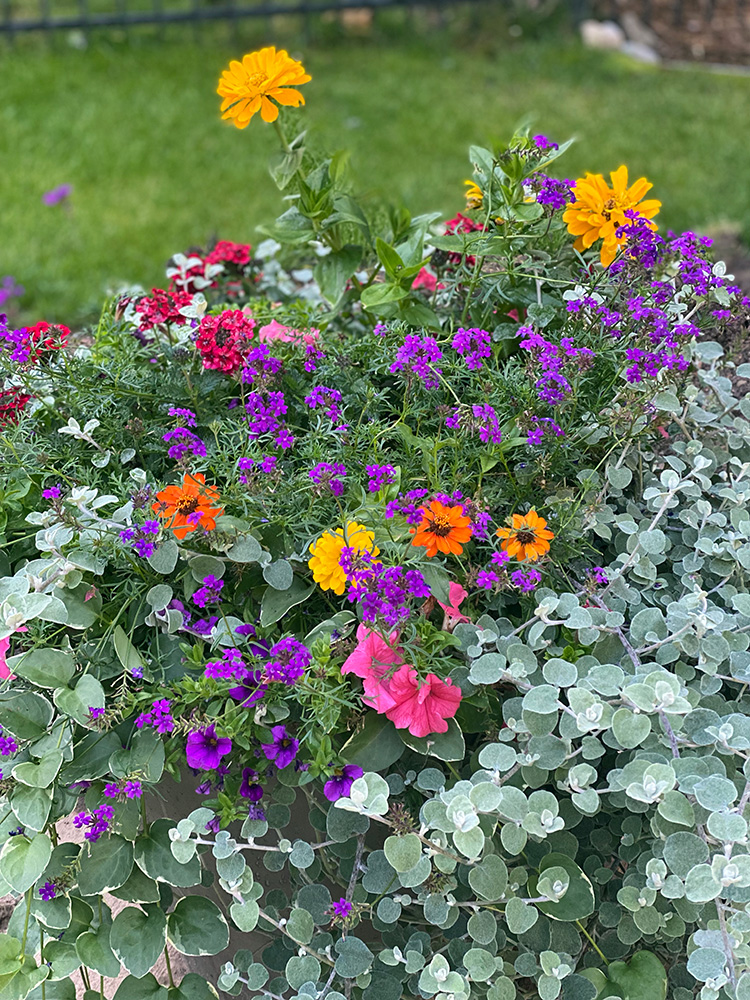
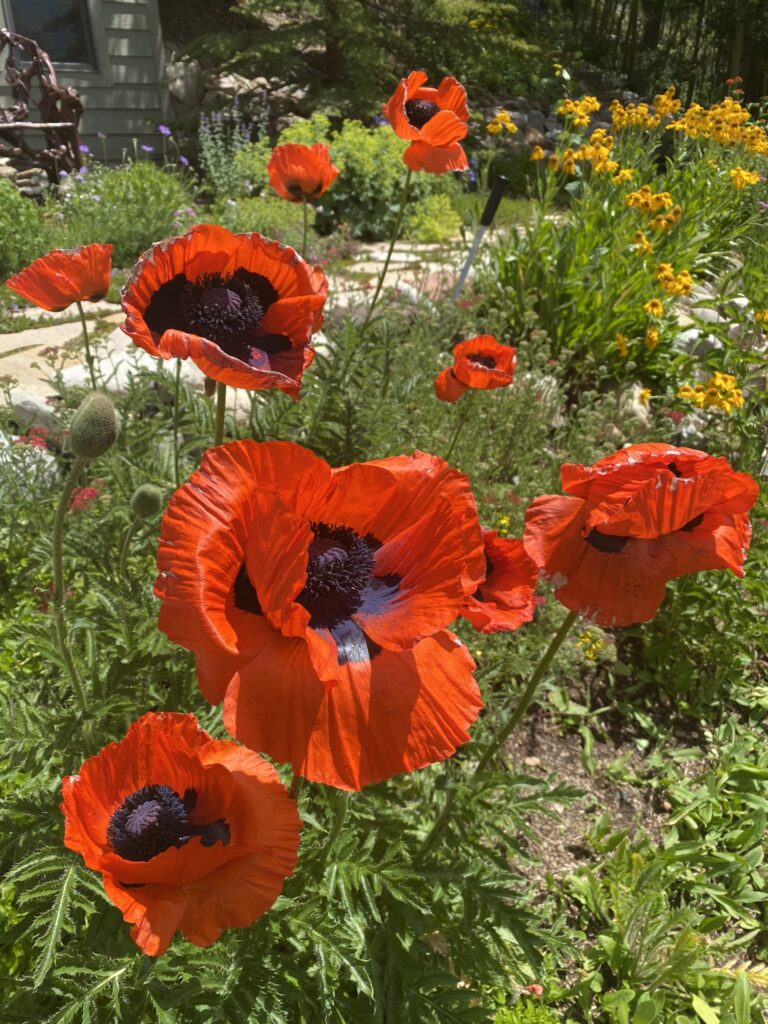
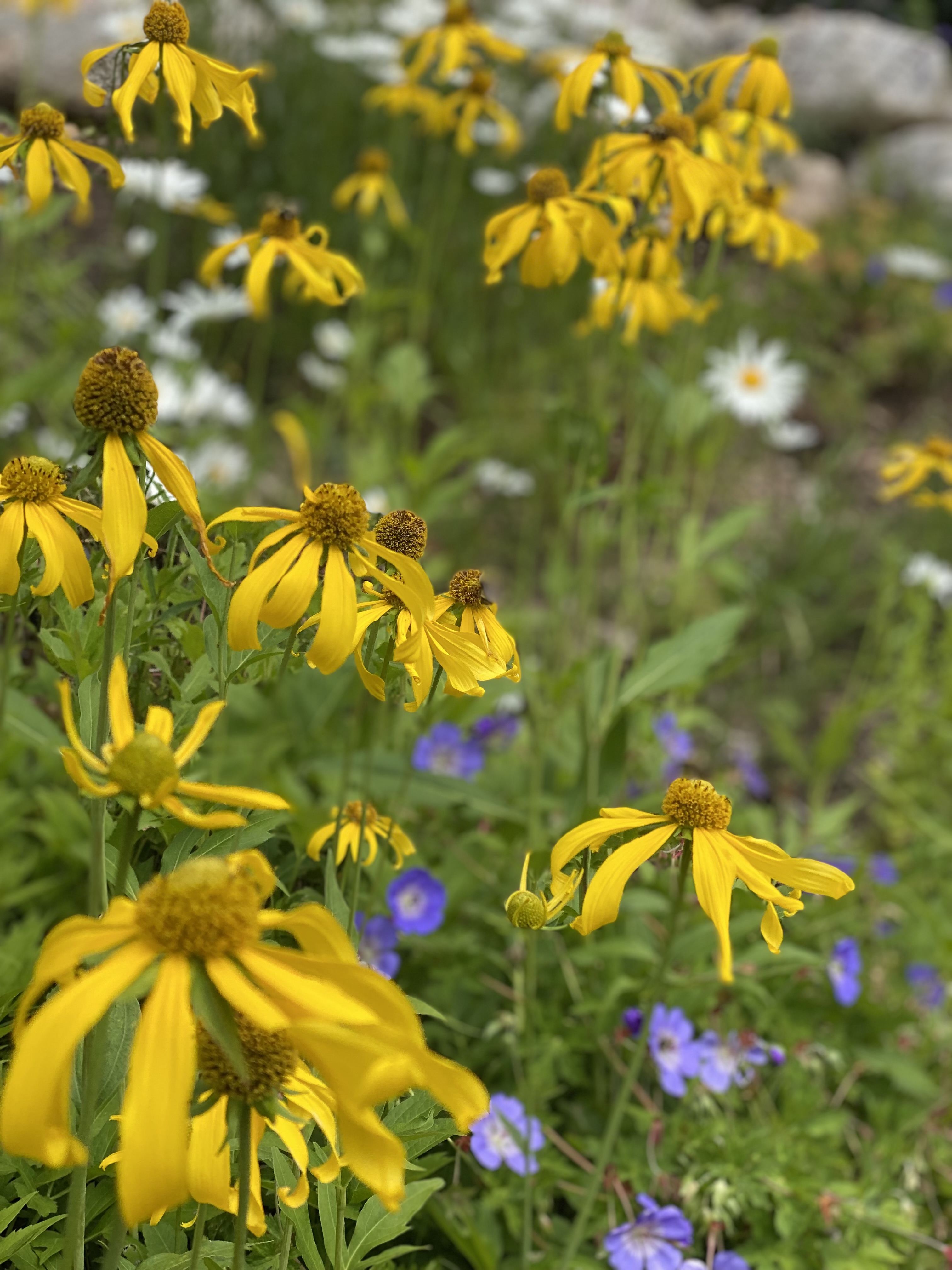
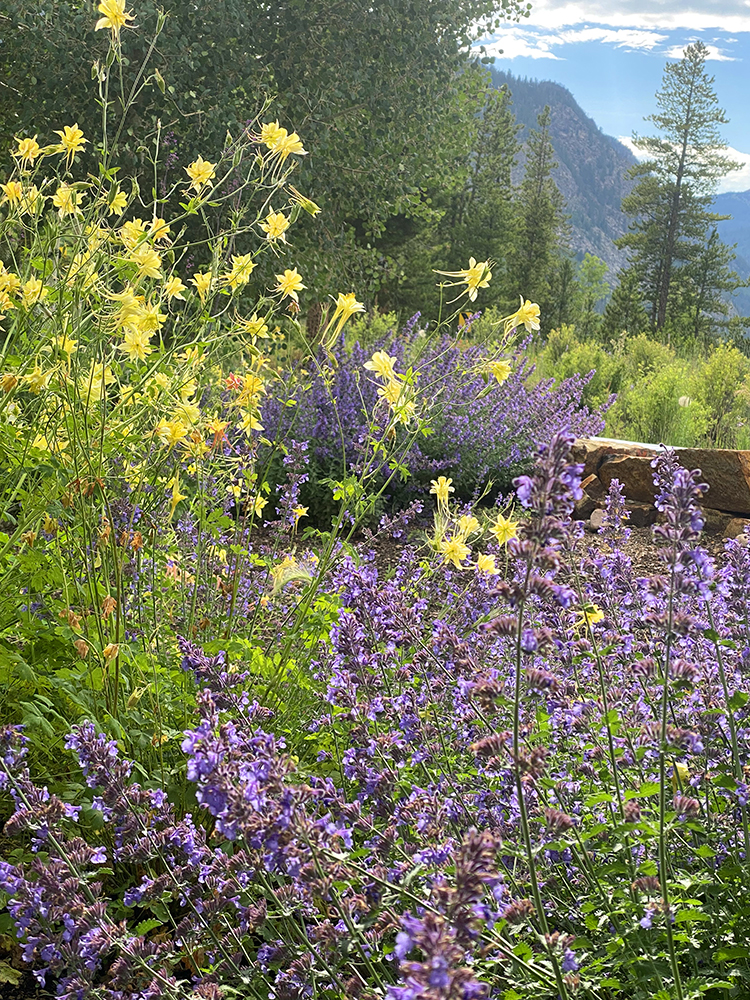
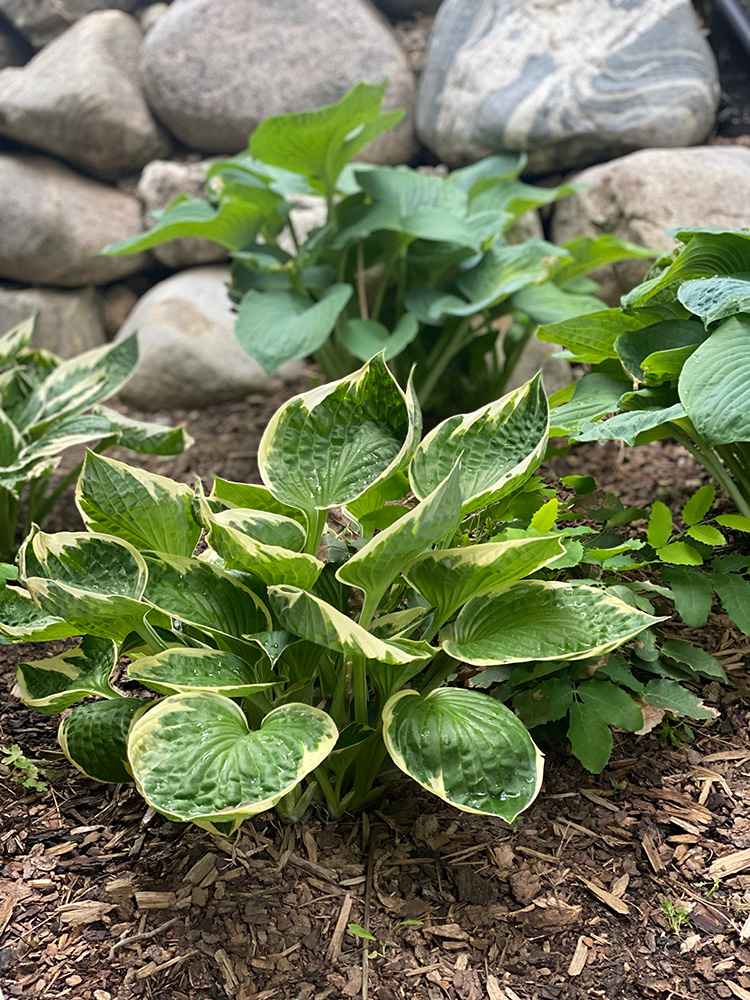
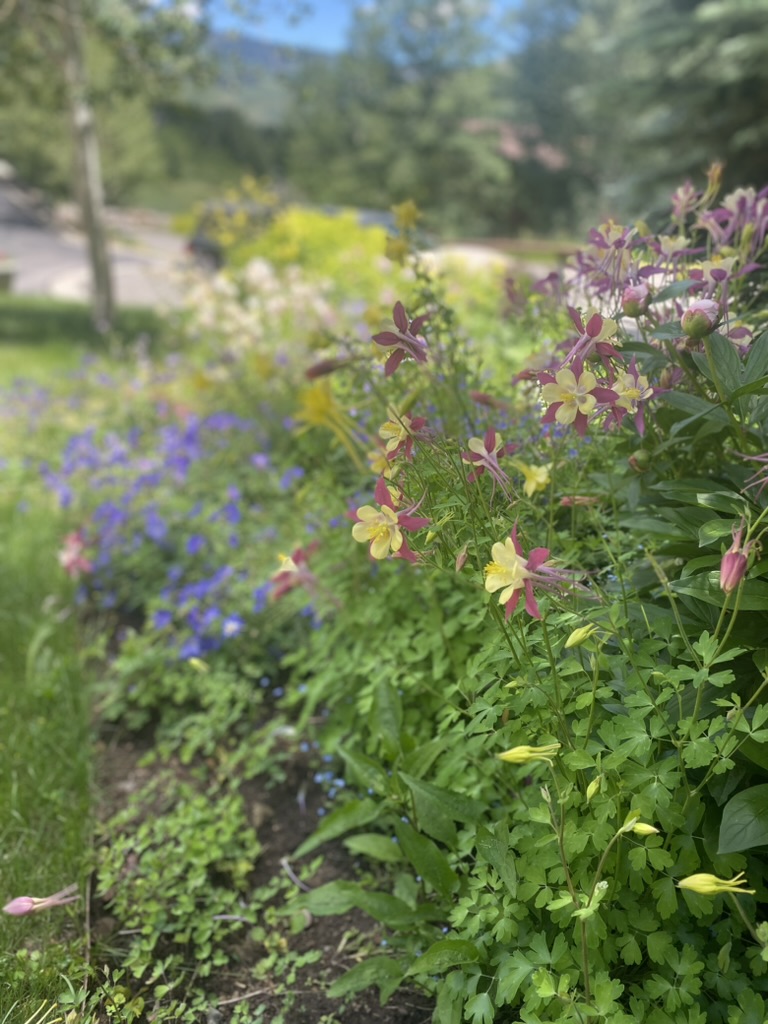
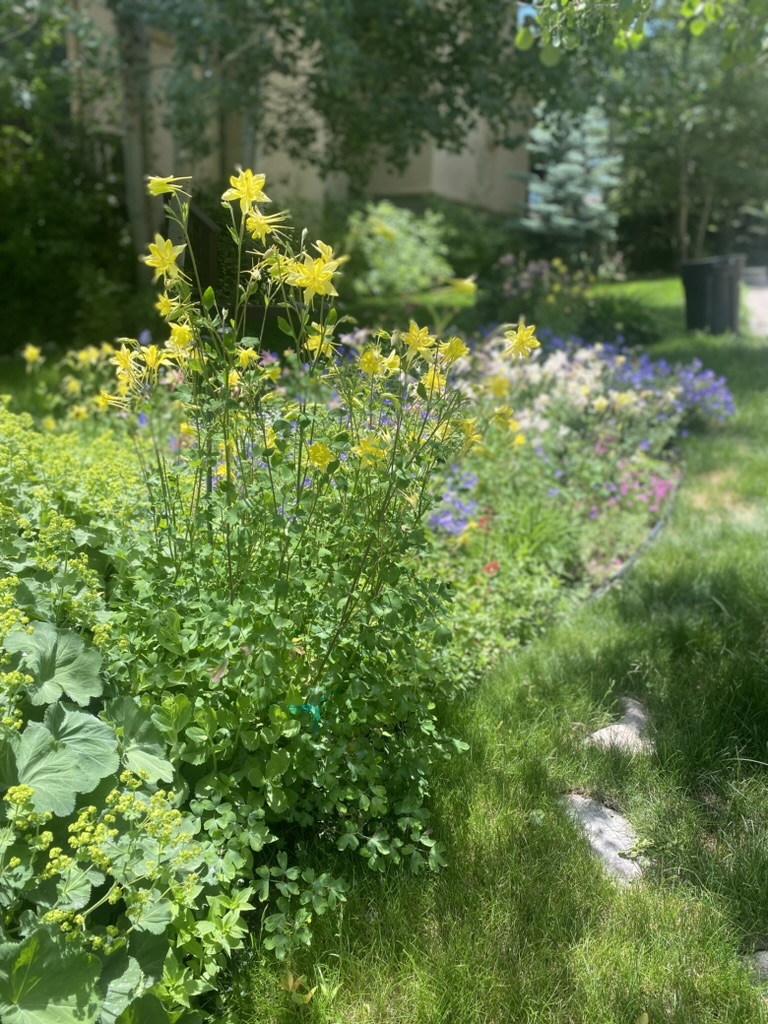
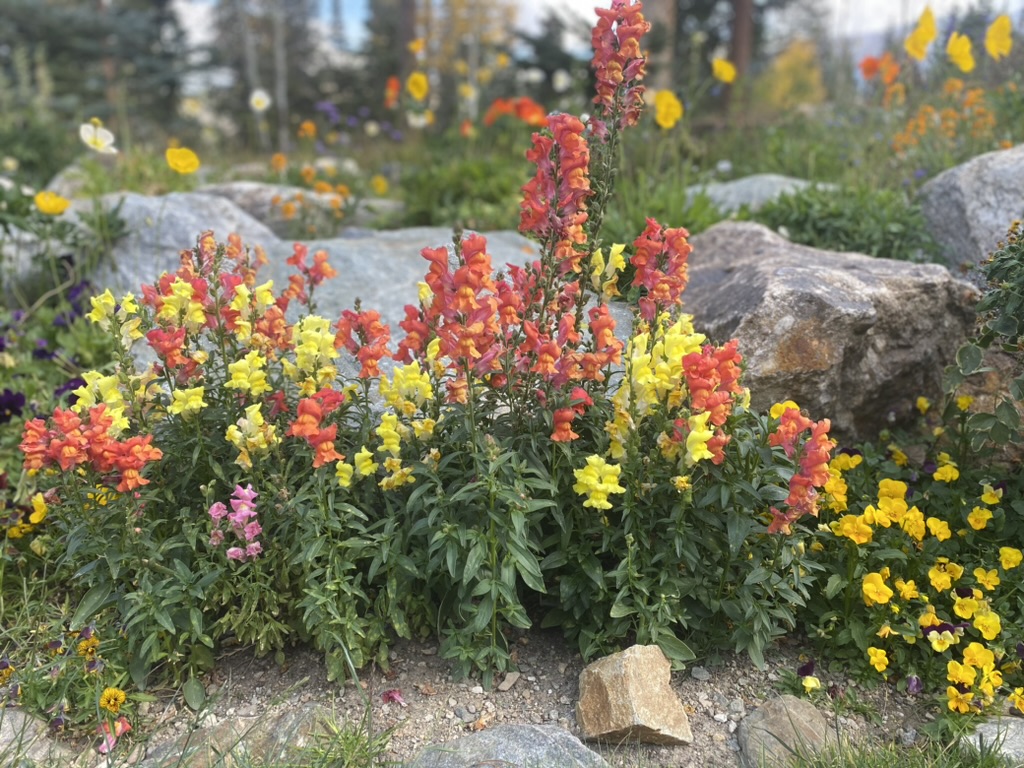
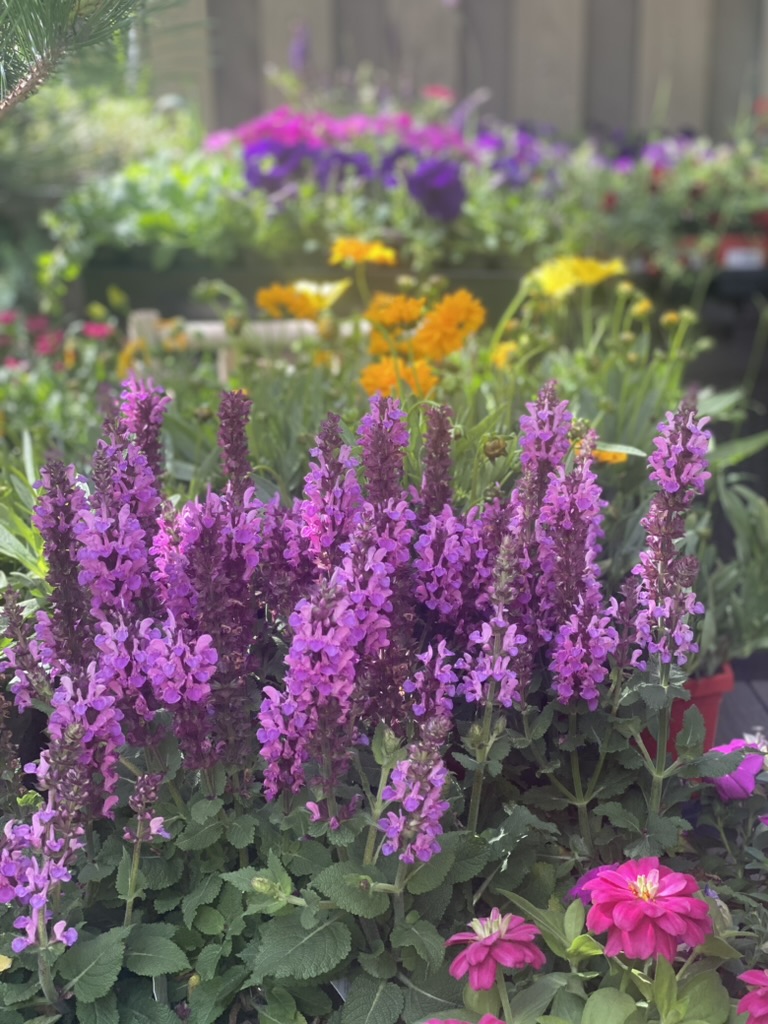
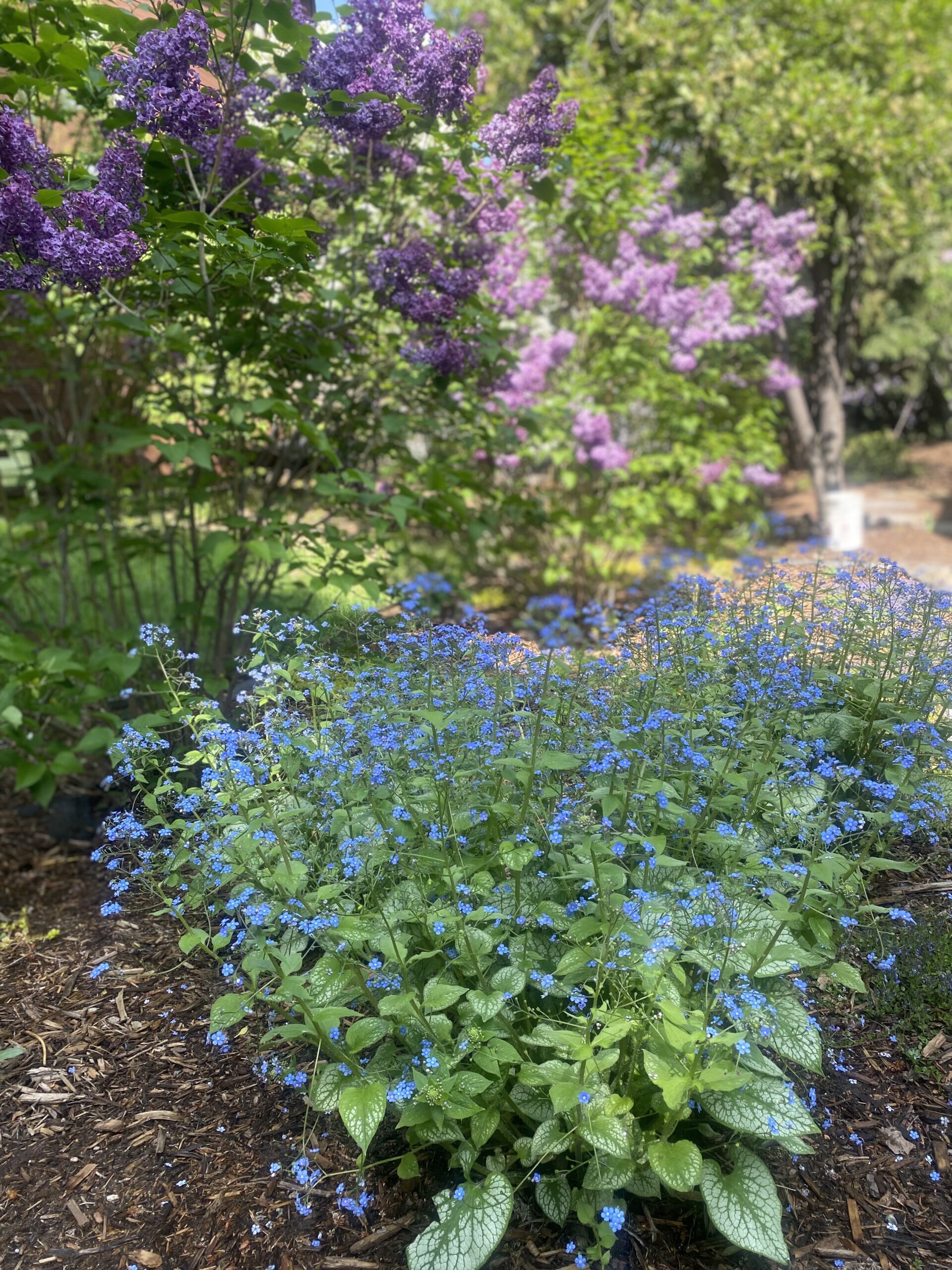
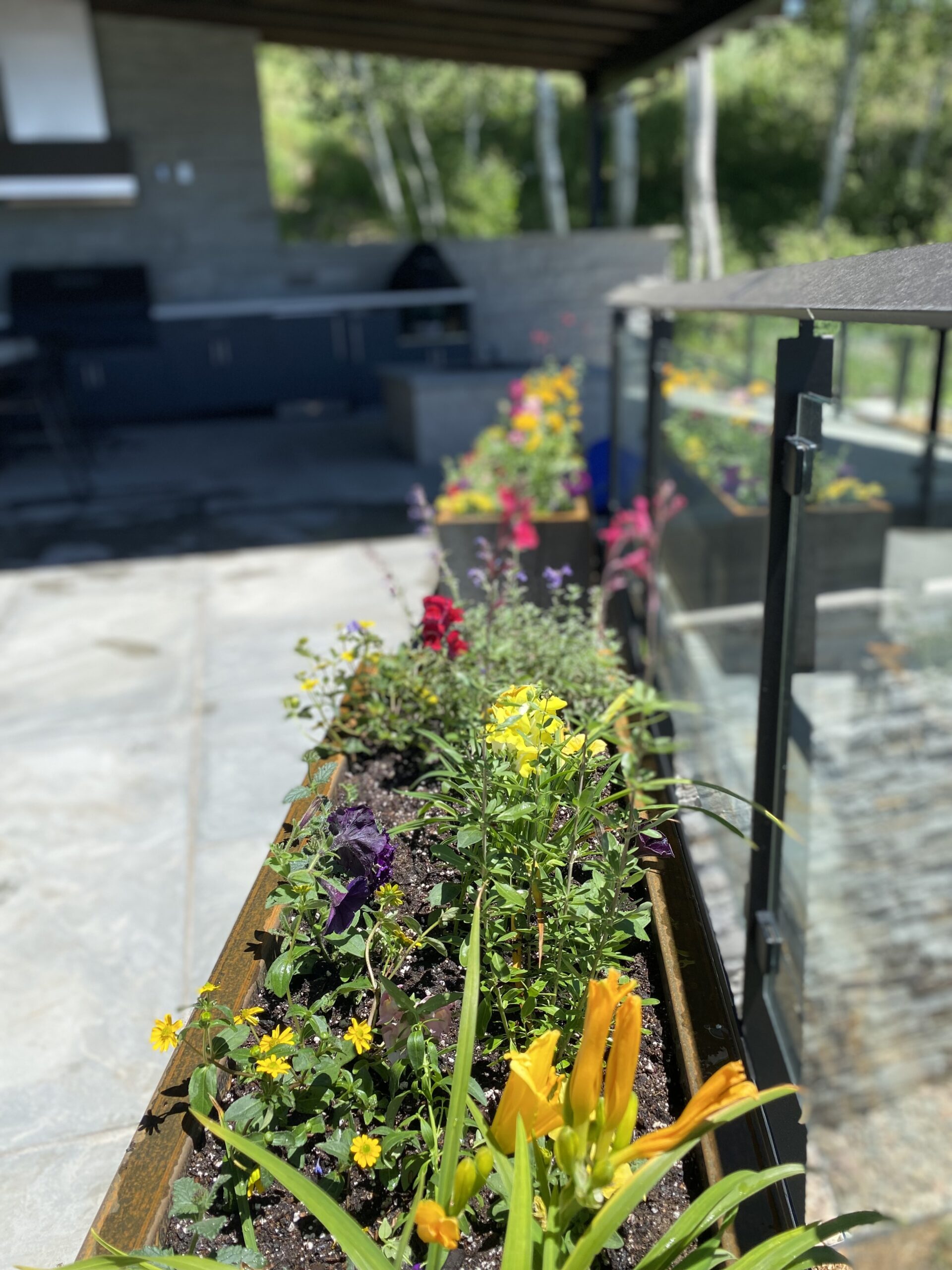
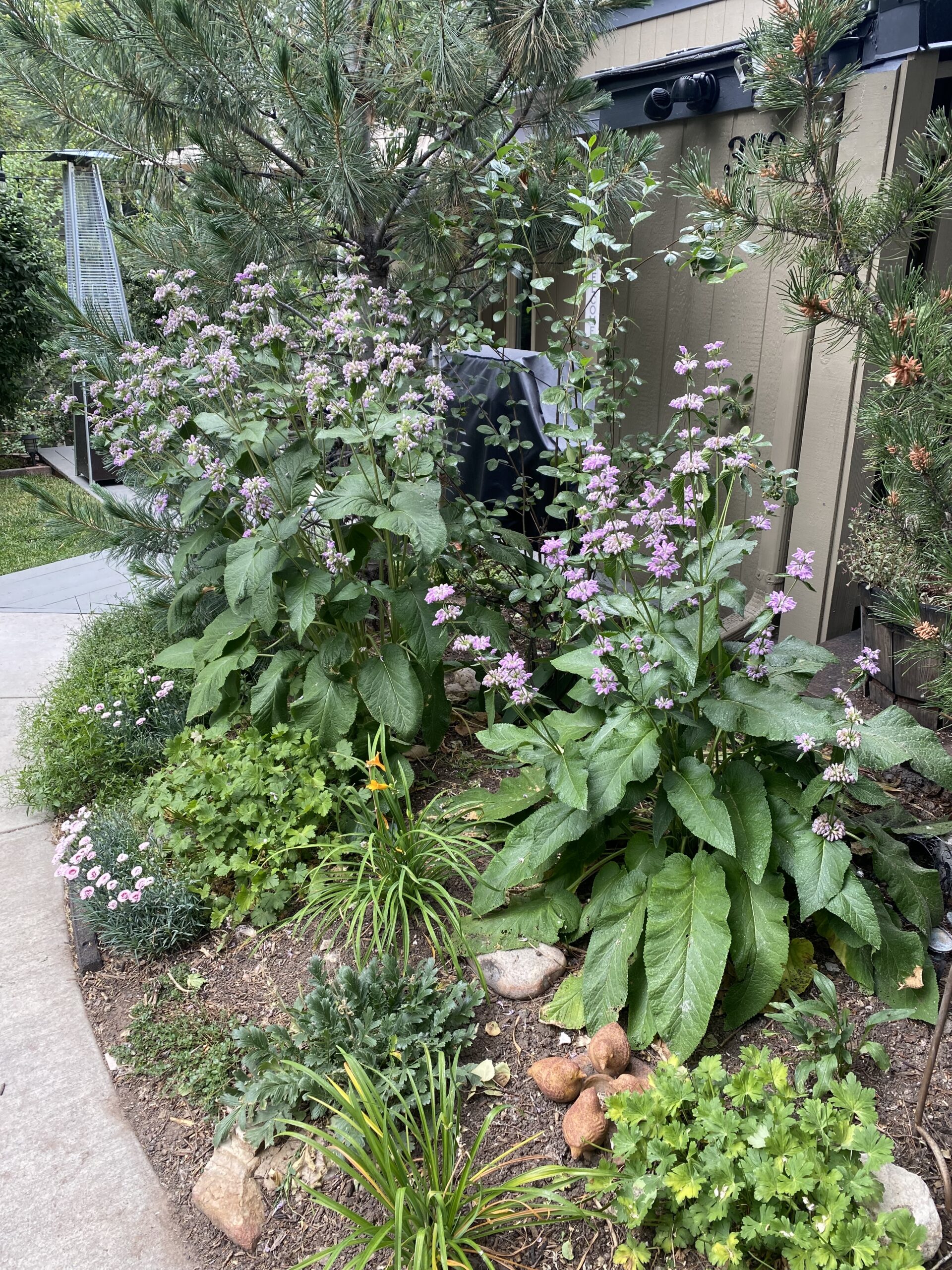
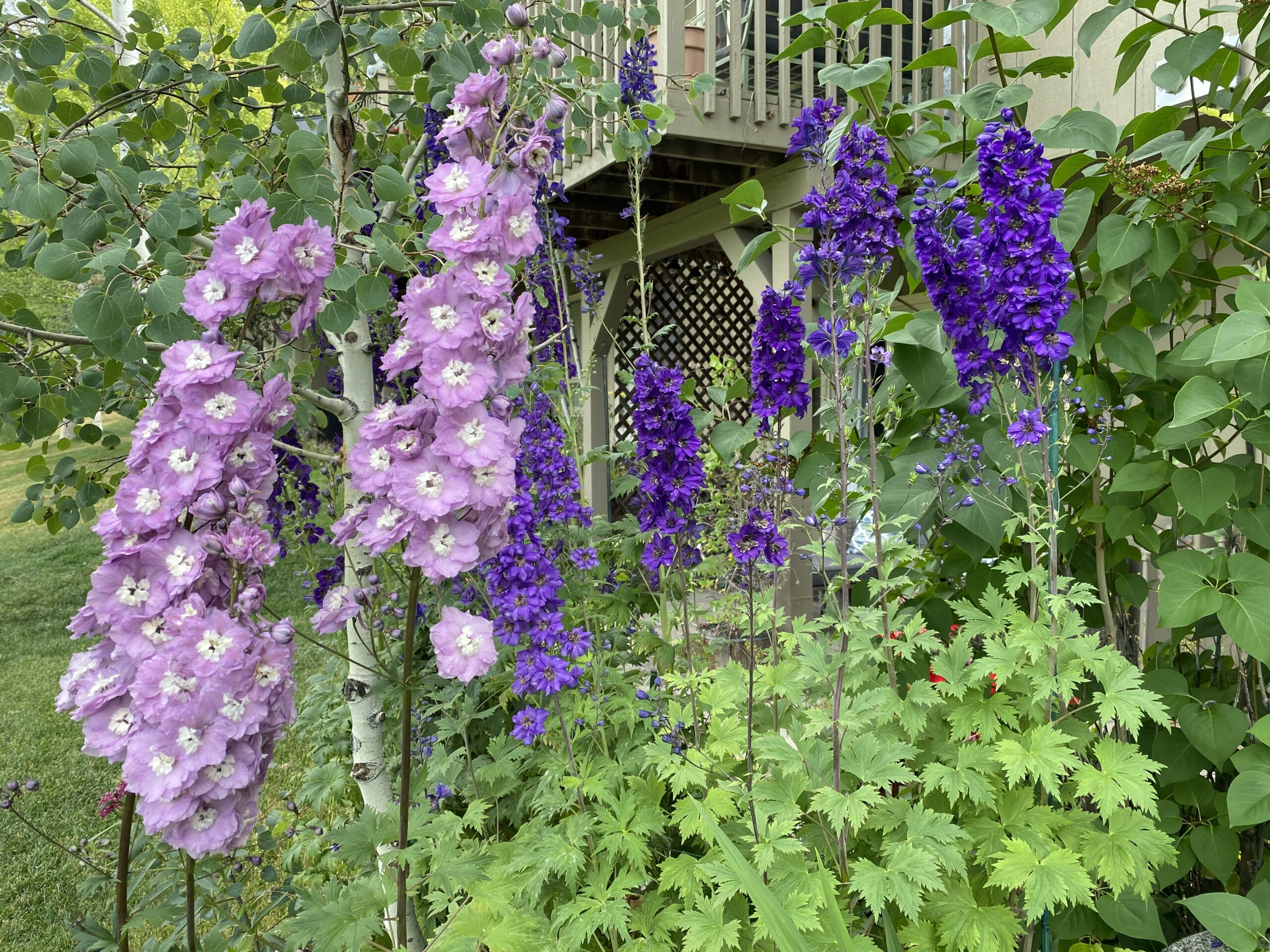
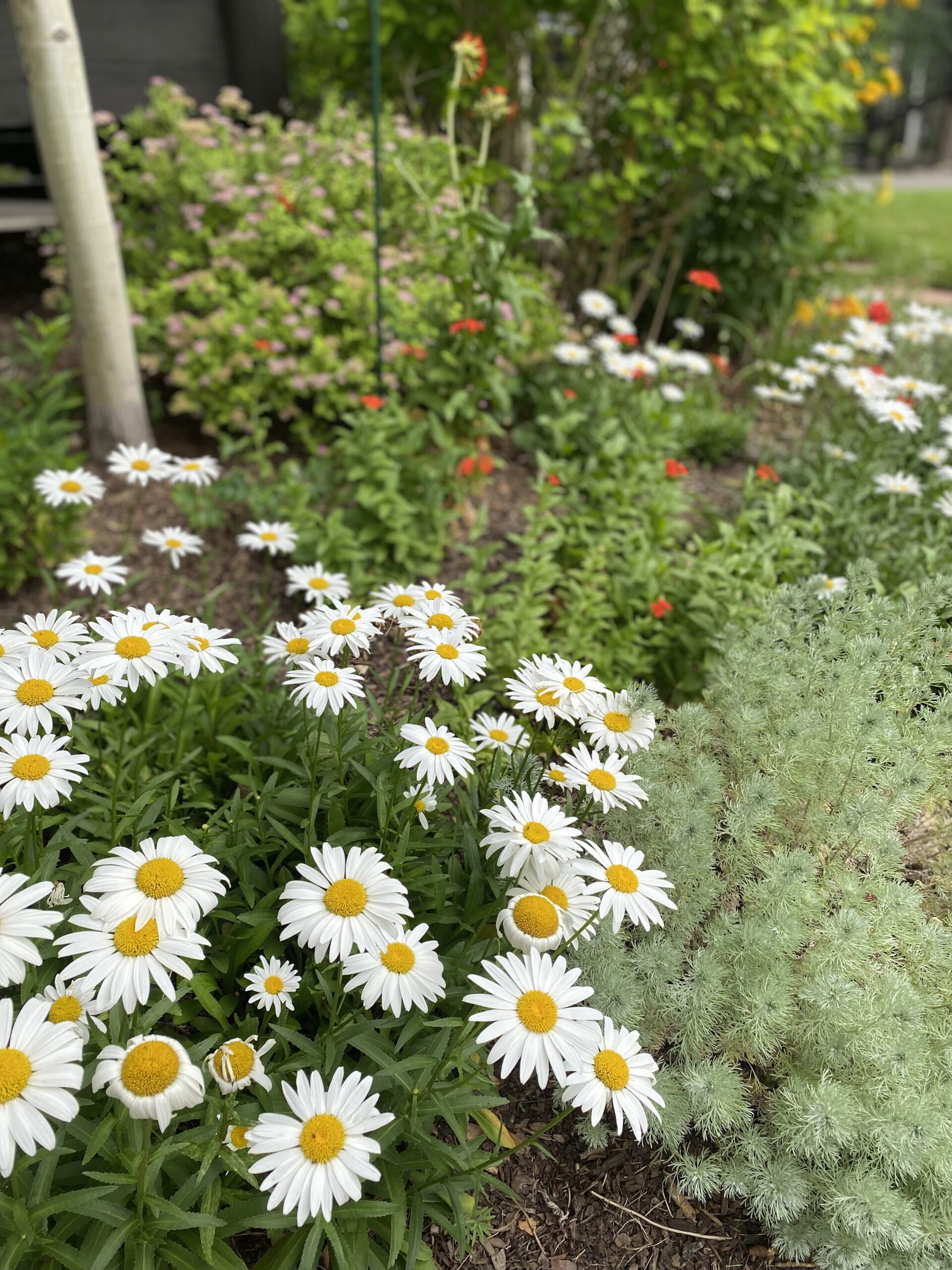
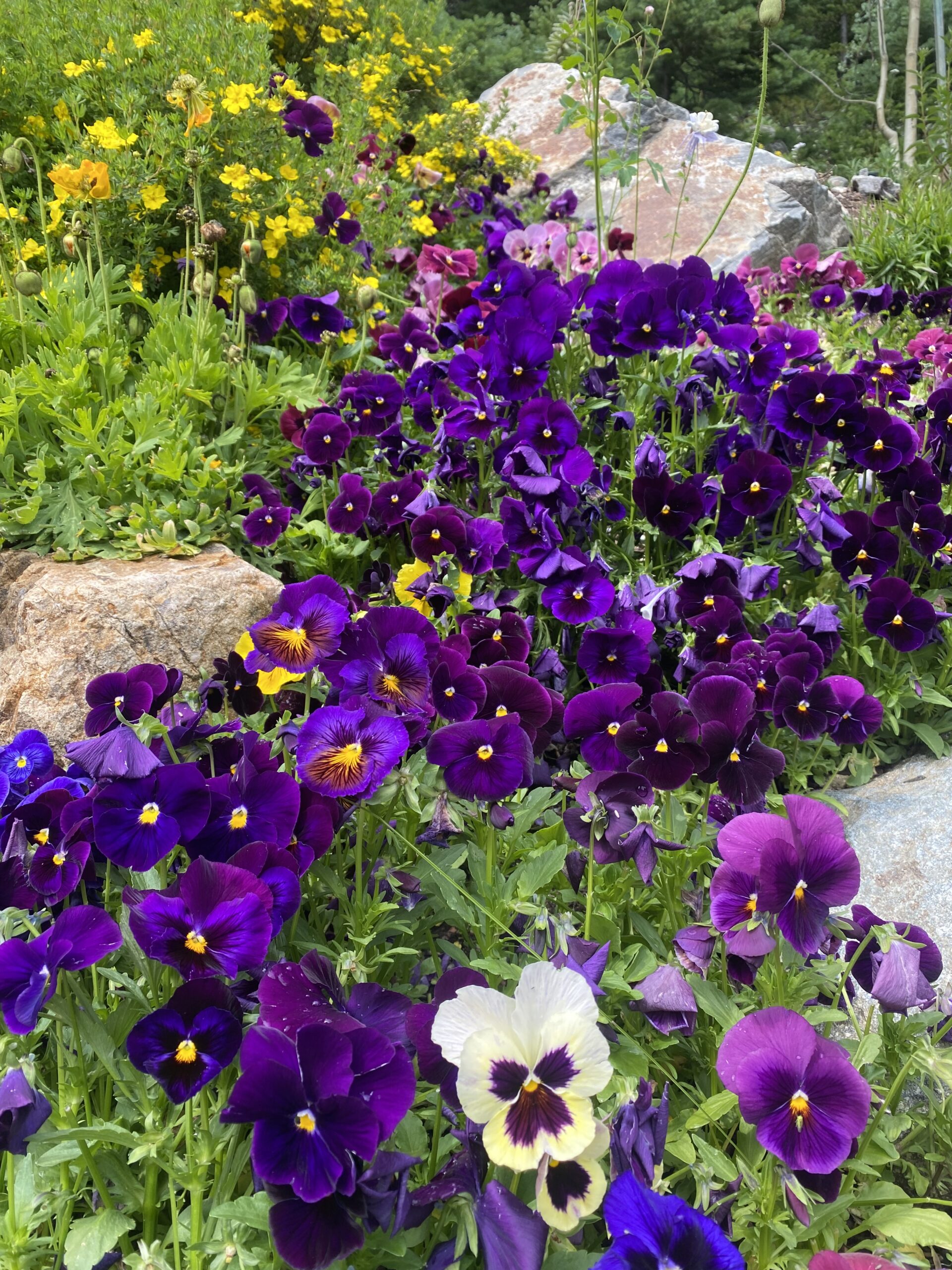
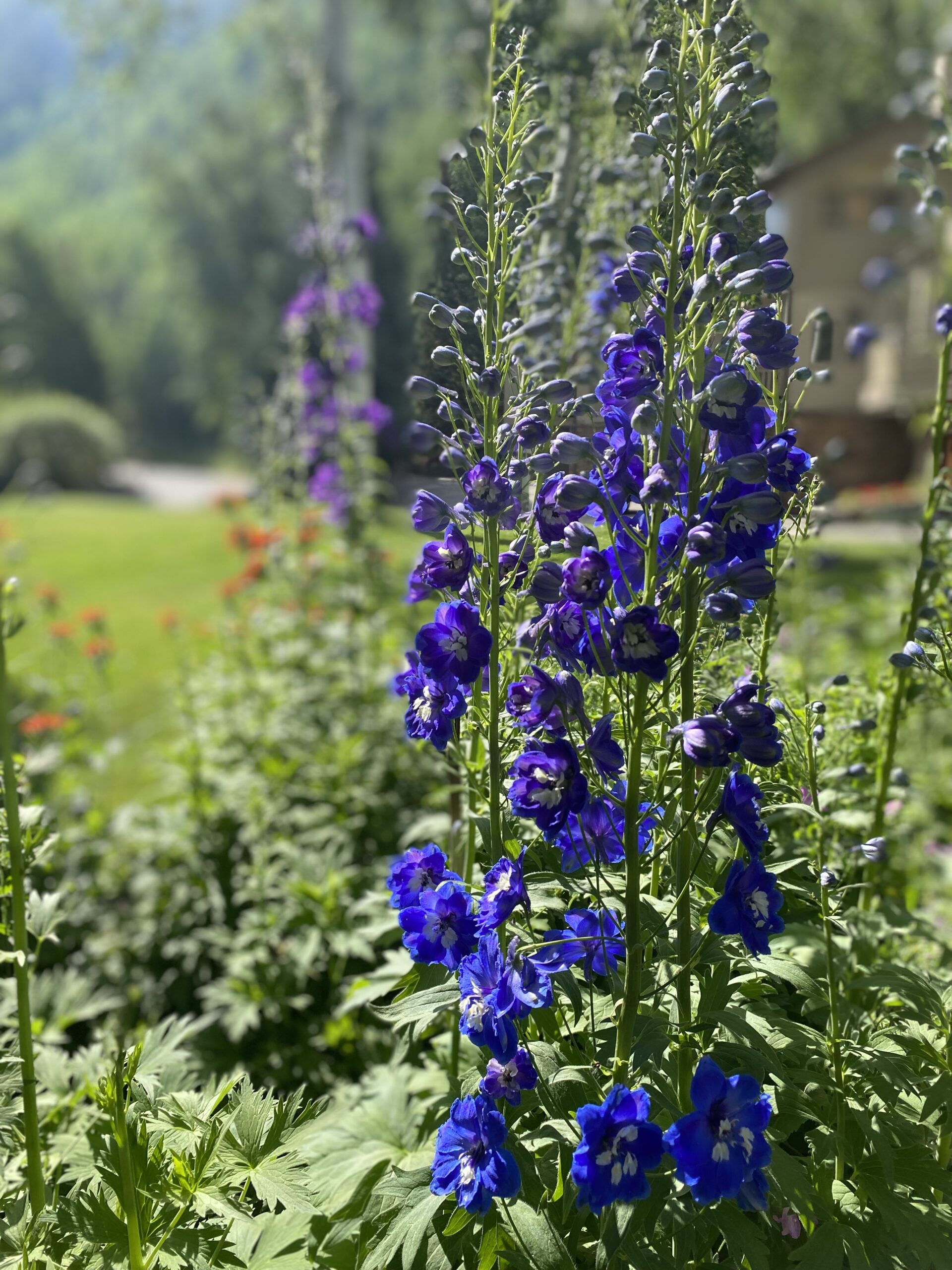
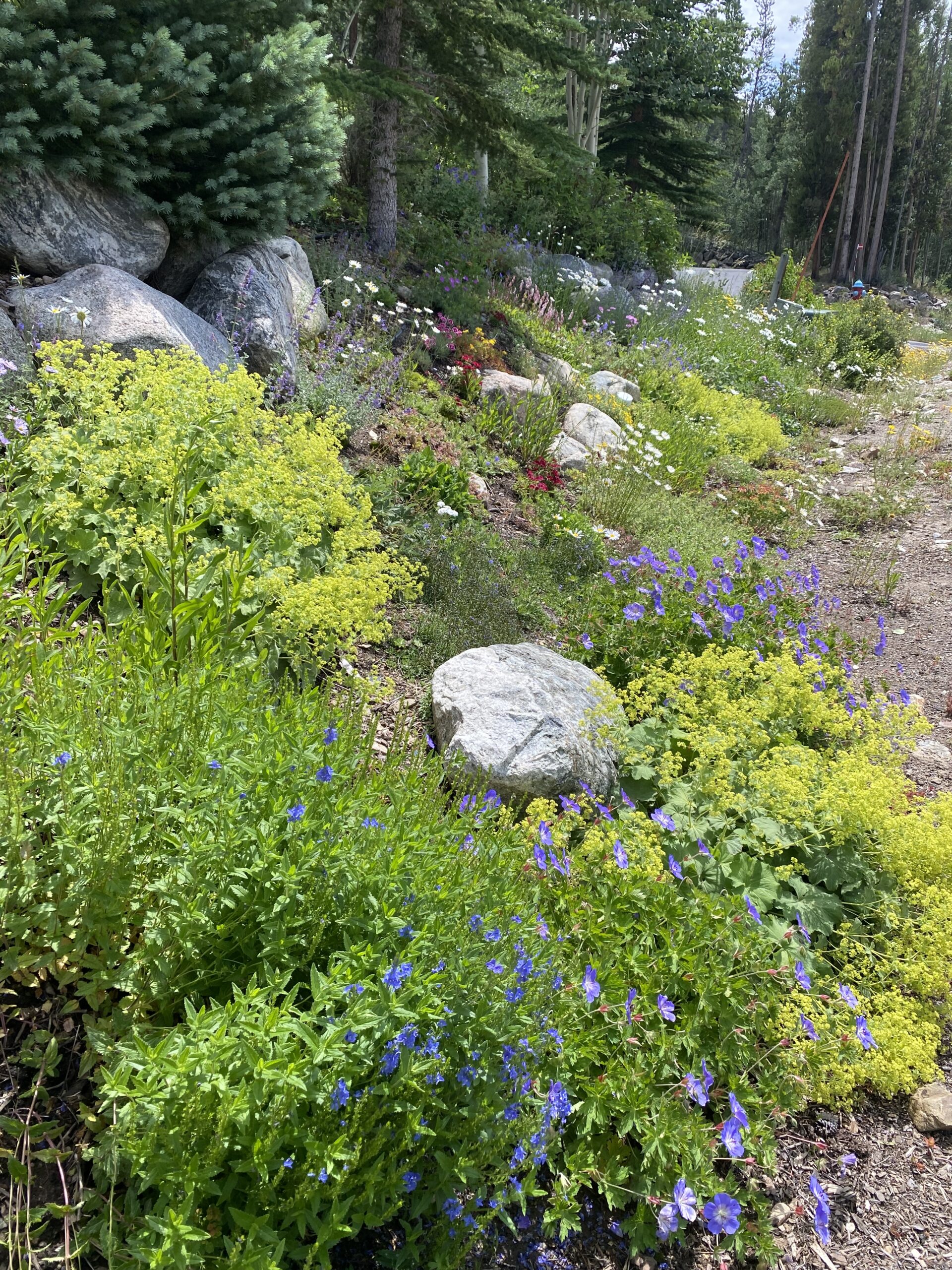
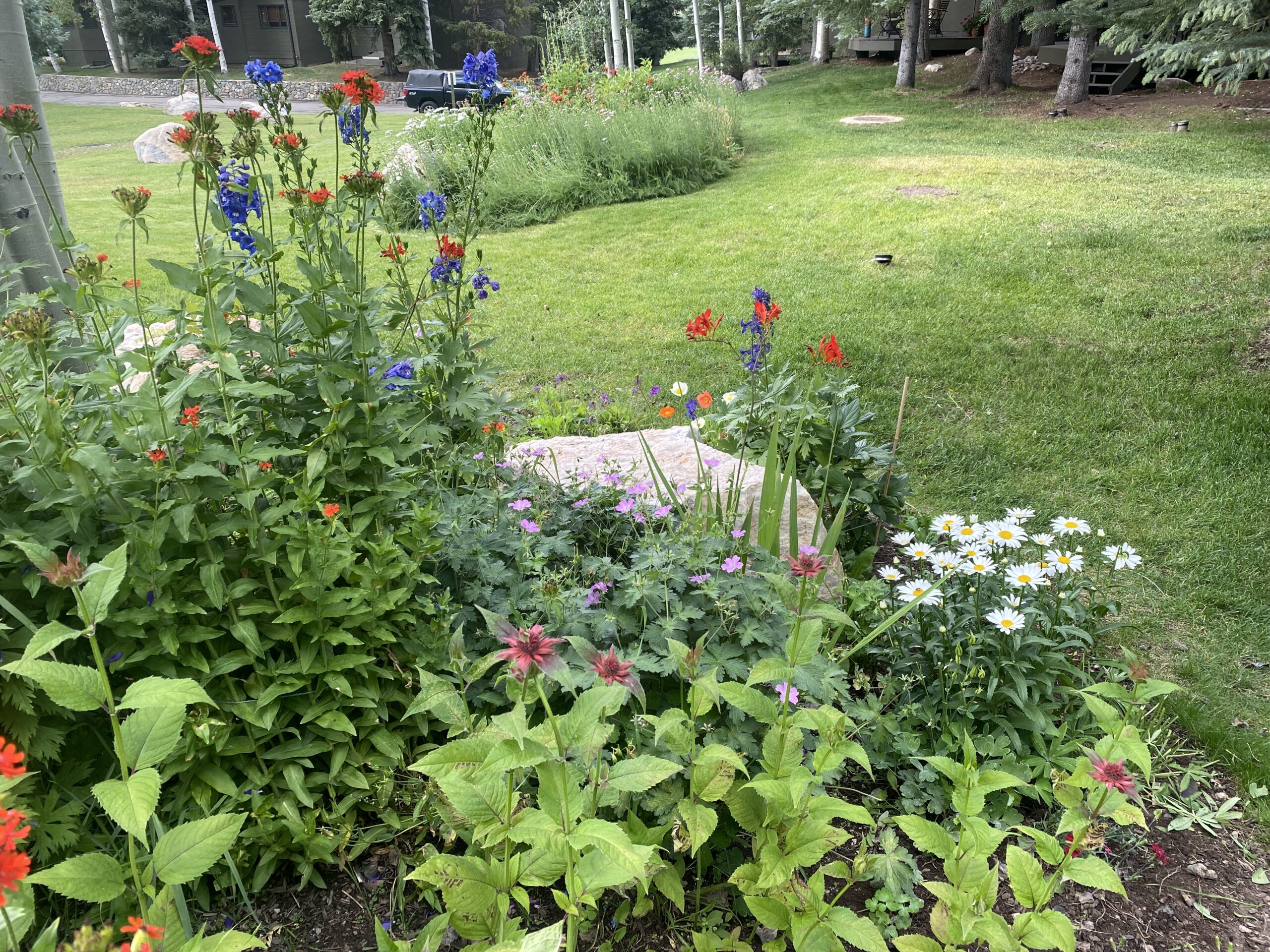
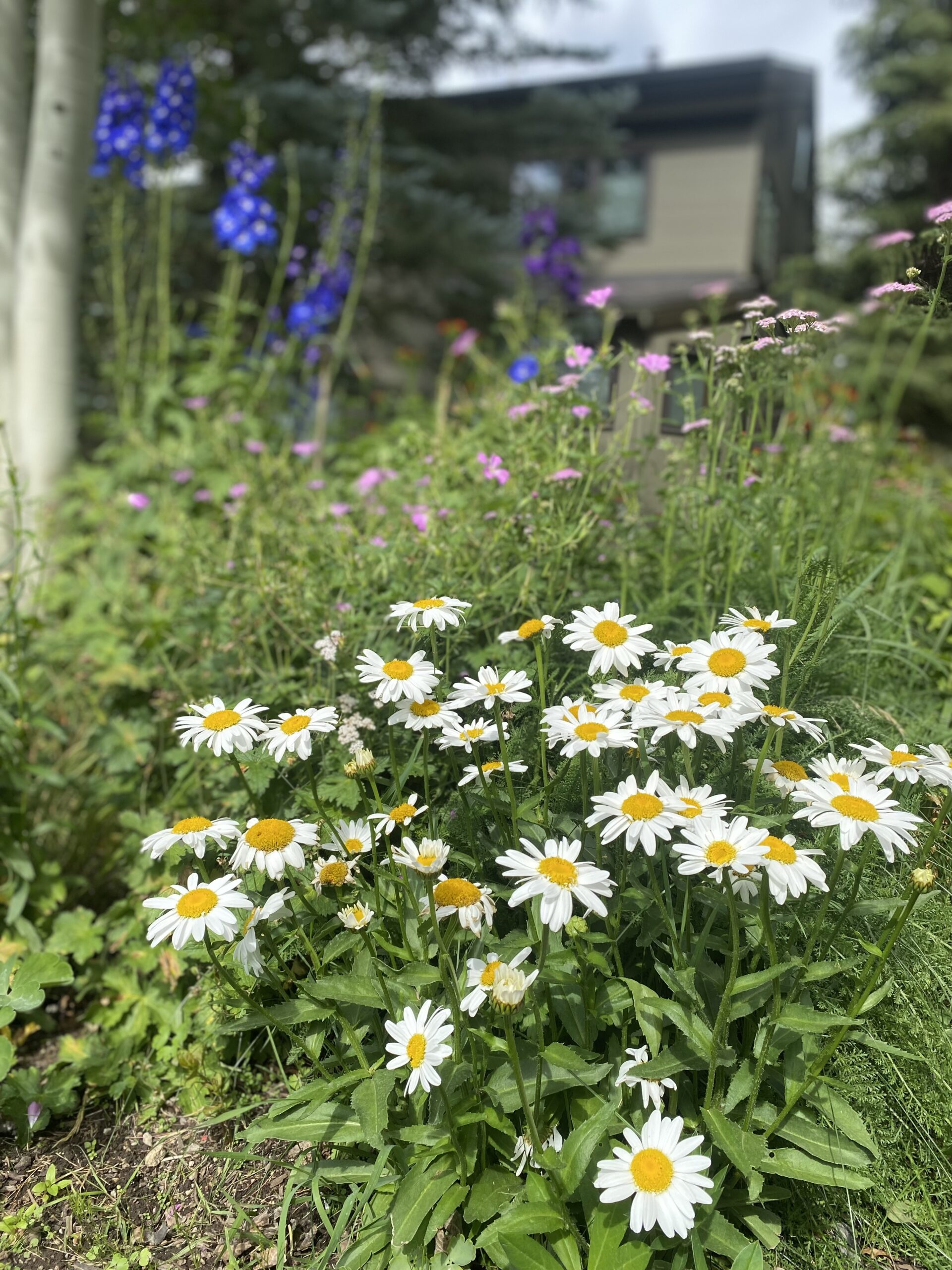
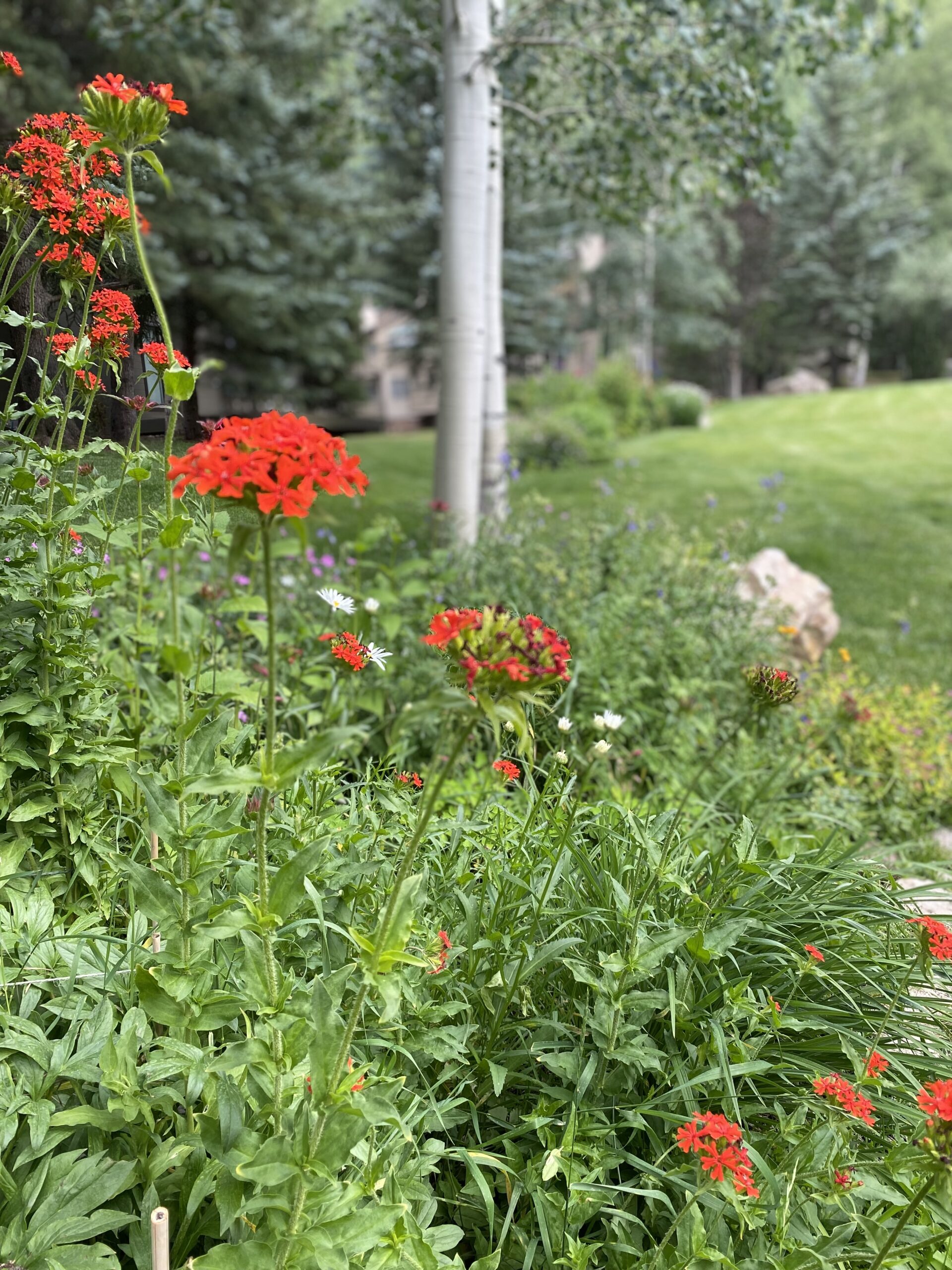
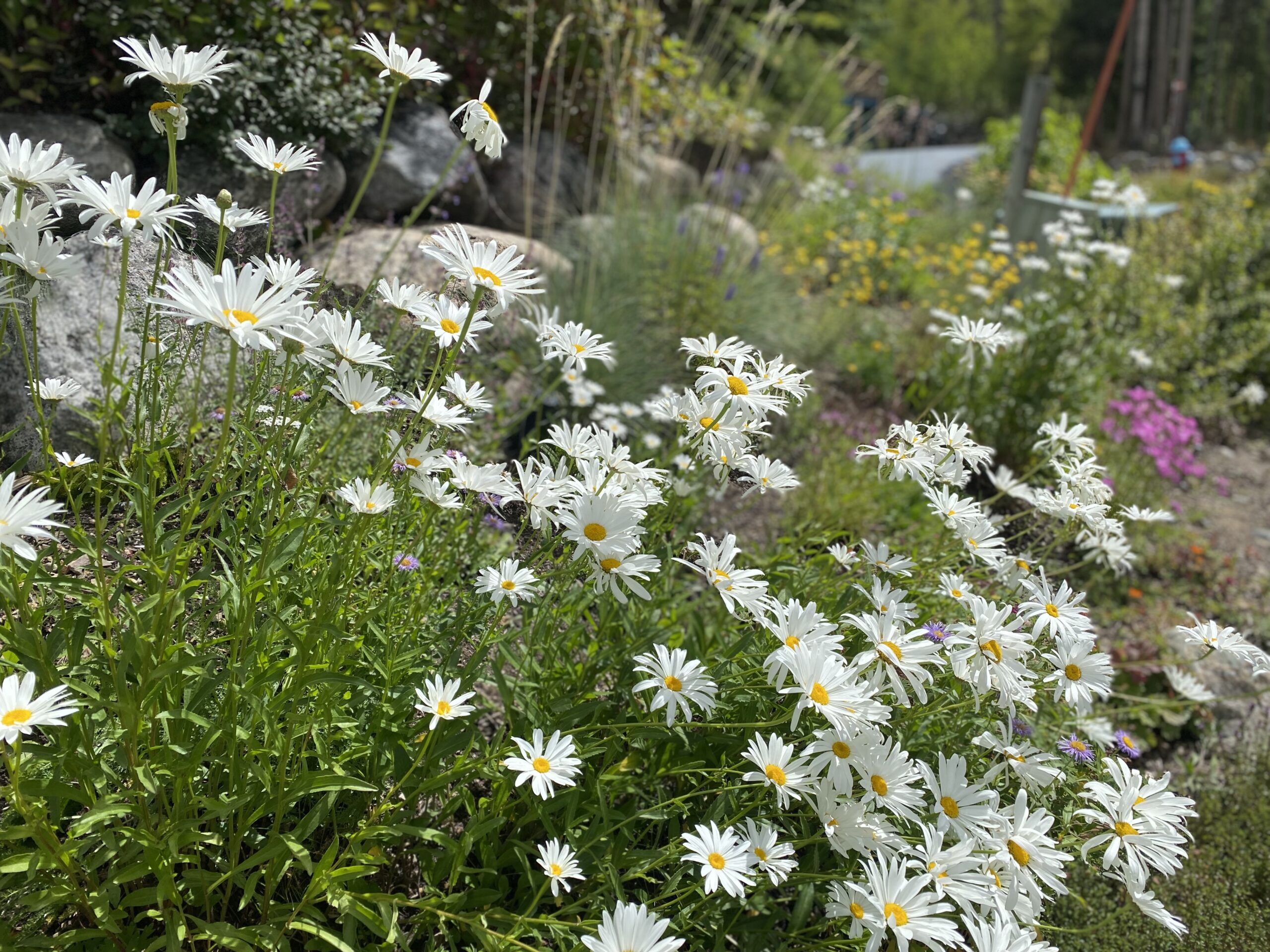
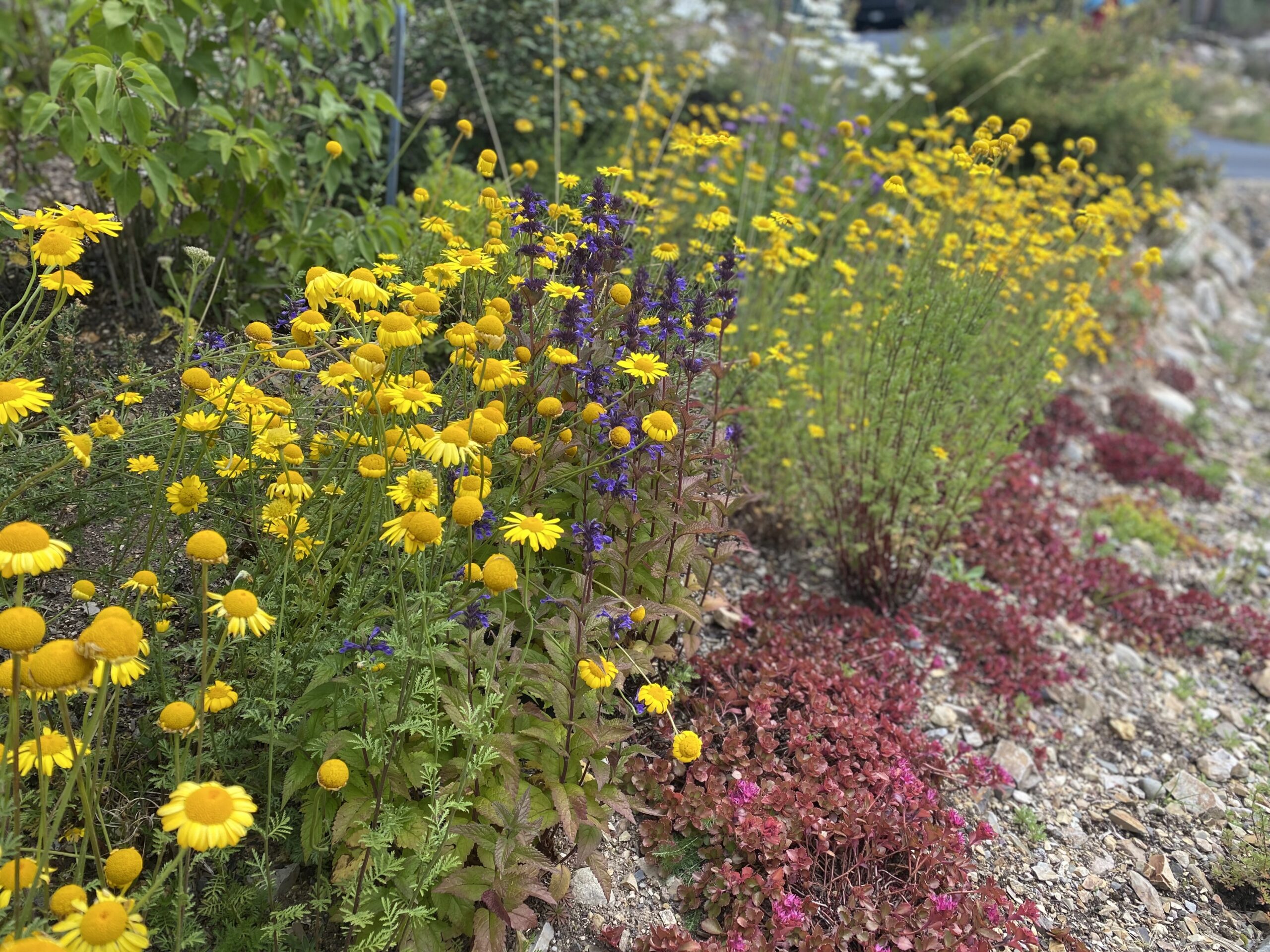
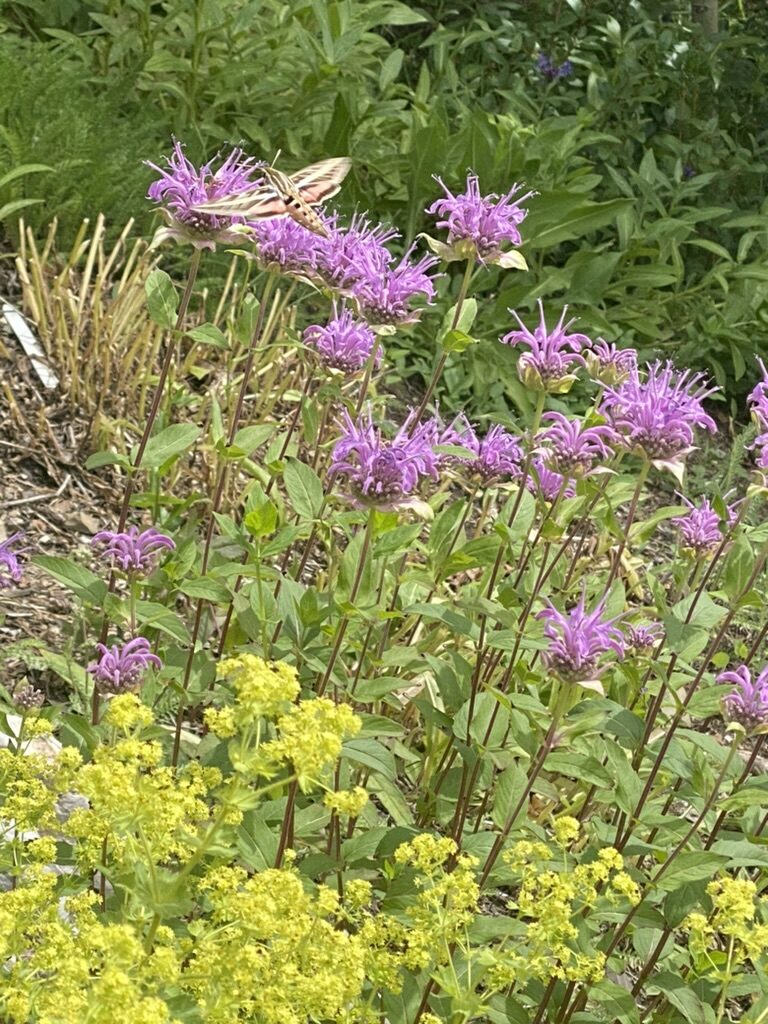
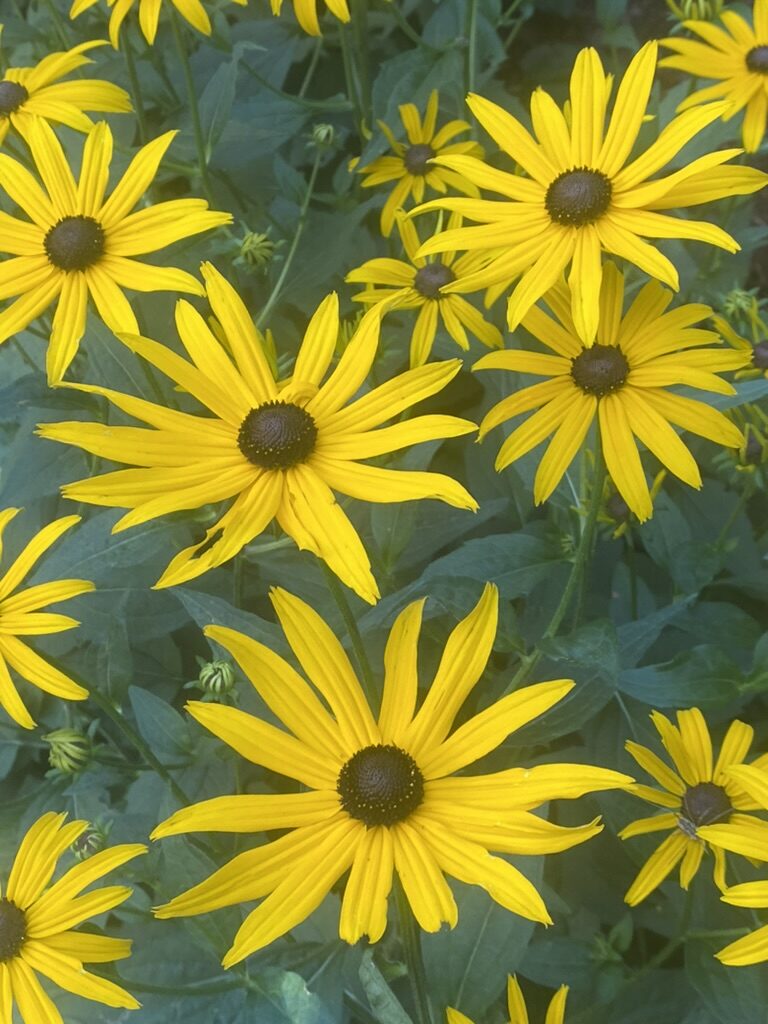
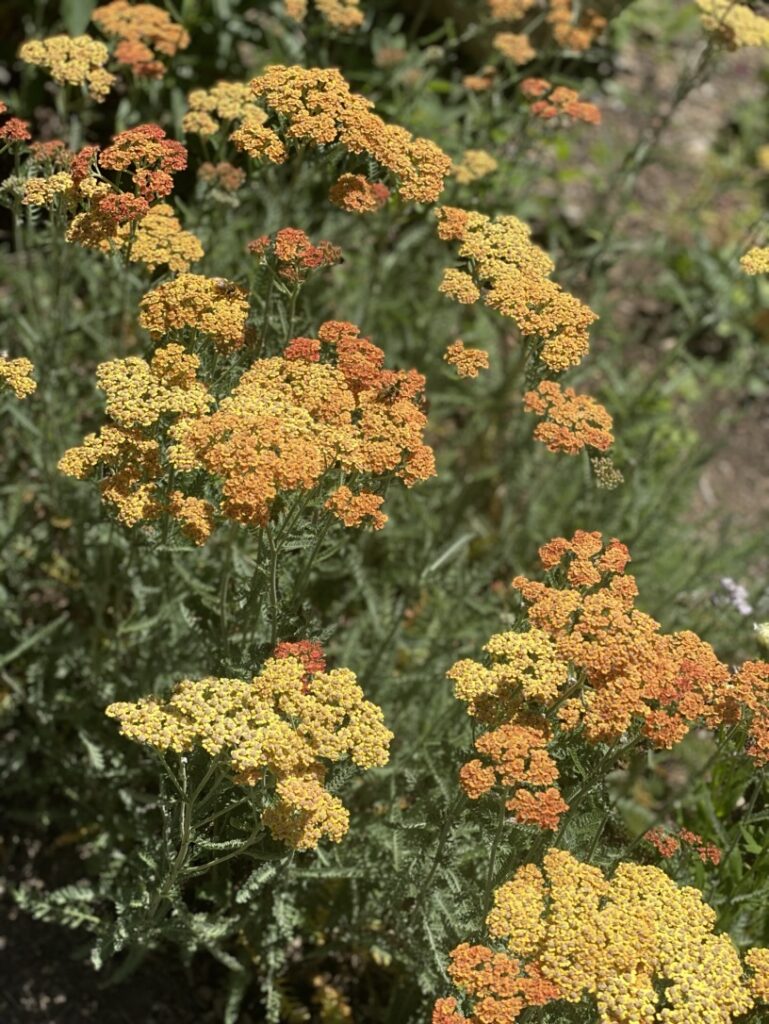
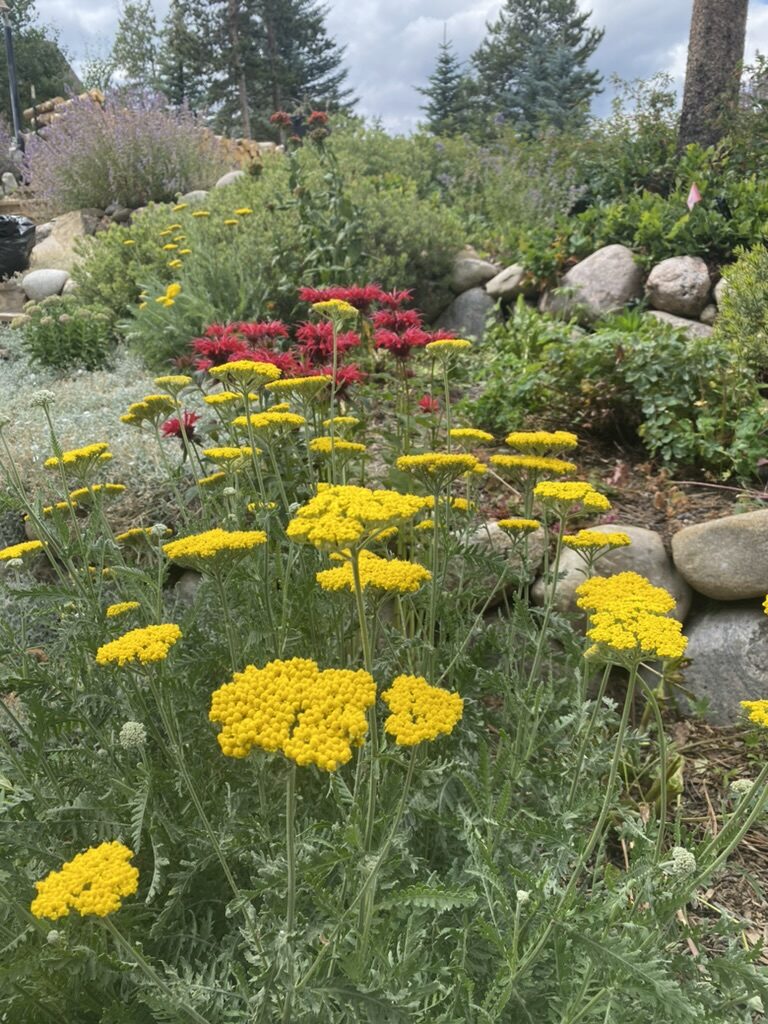
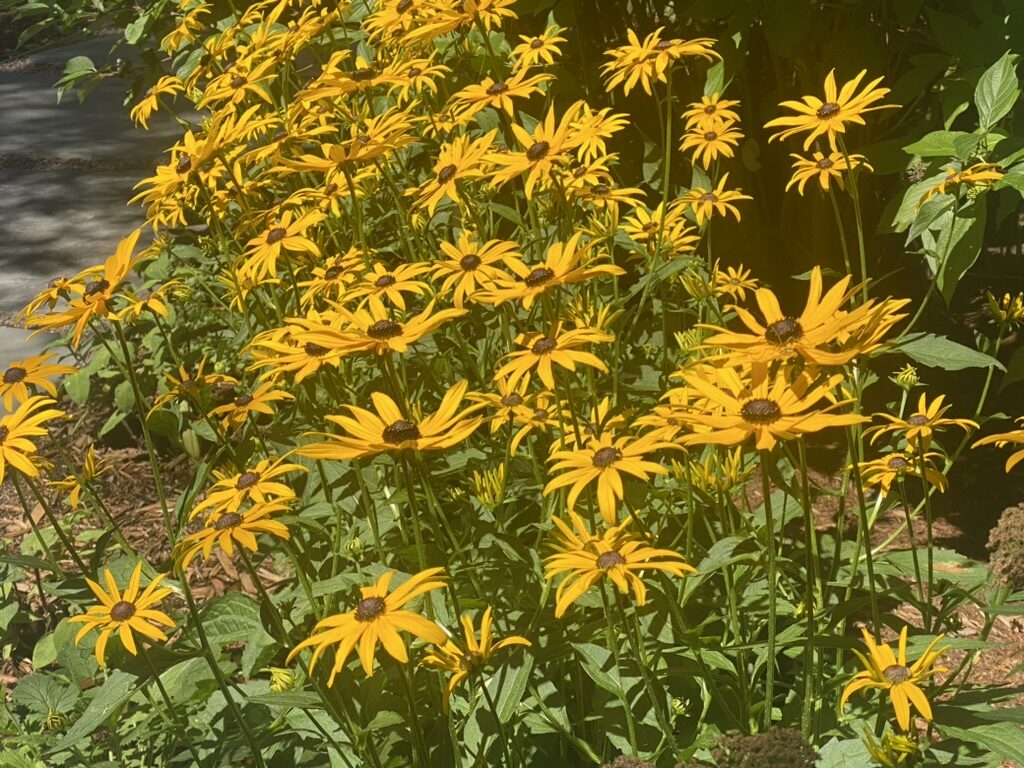
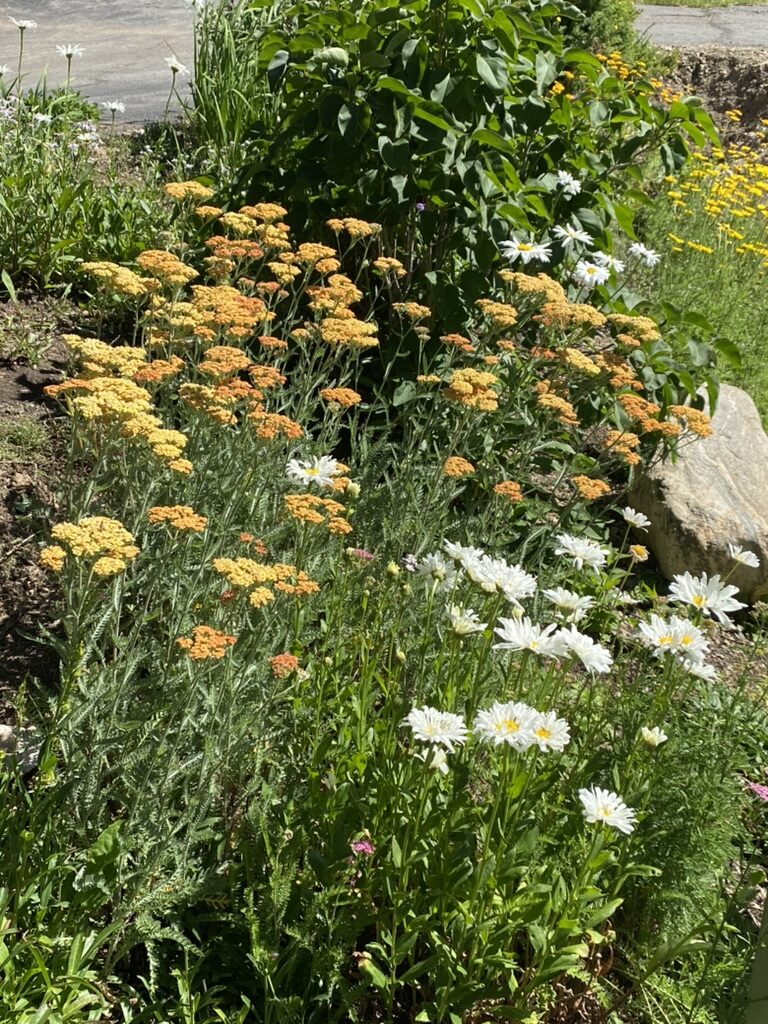
Below are some of my favorite images from the 2025 season starting from the first signs of color in Spring, to the last signs of life in the Fall. There are also several examples of my sustainable style of gardening, and I hope you are motivated to see this beauty and color in a different way in a space that will continue to thrive for many years to come. Can you spot your garden?